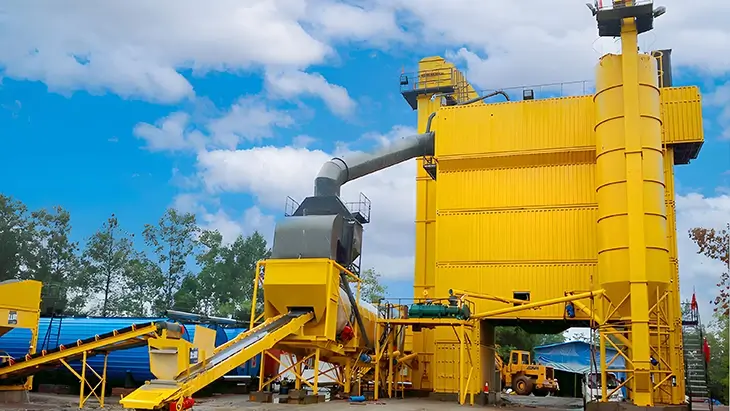
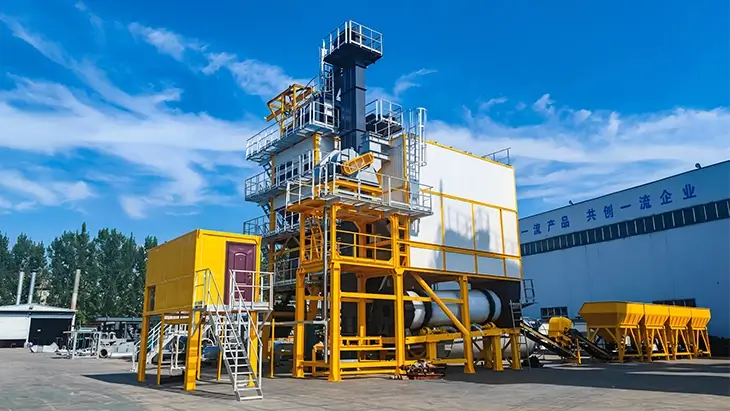
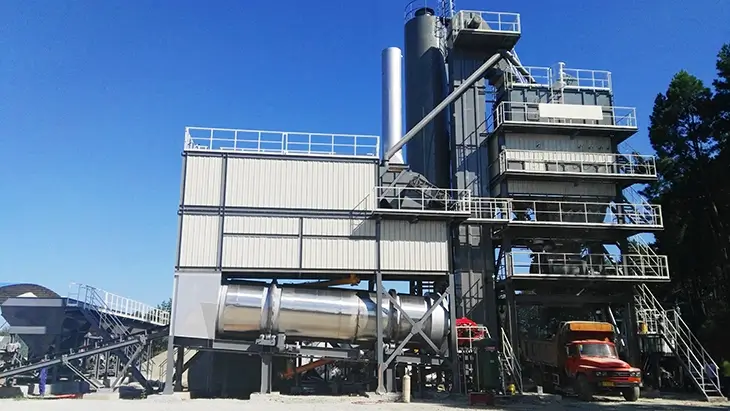
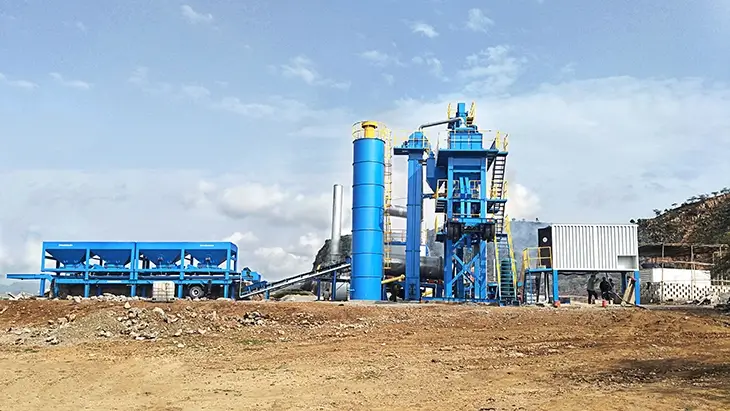
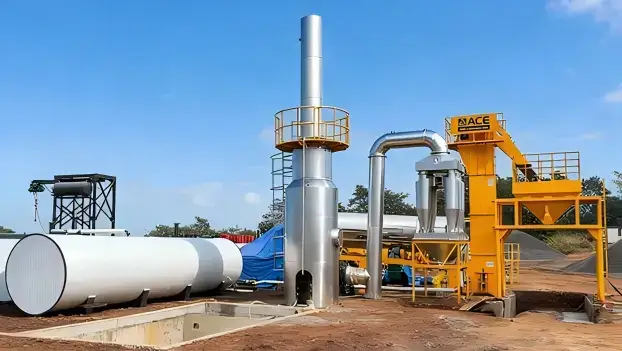
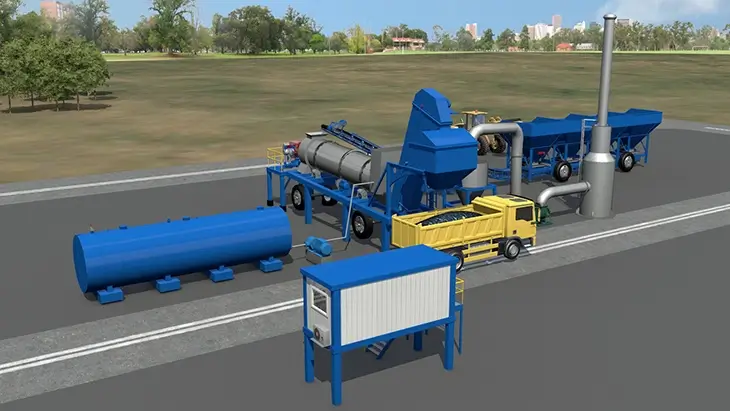
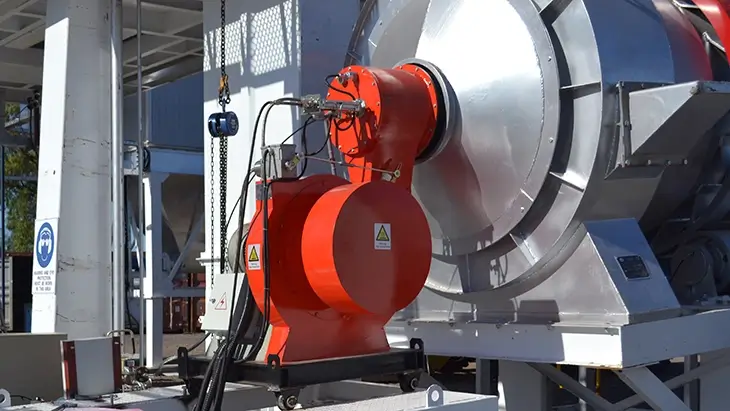
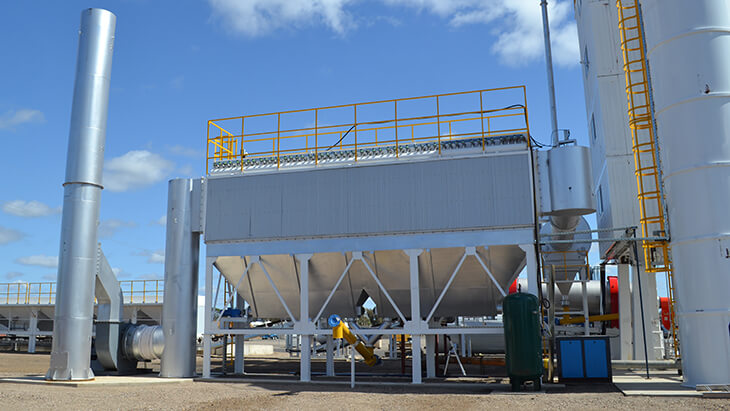
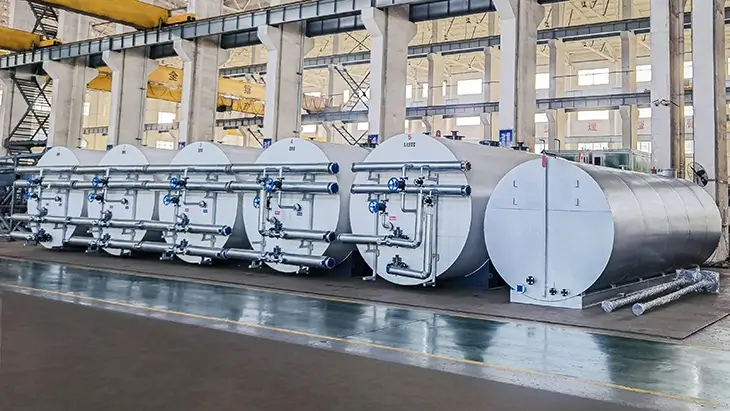
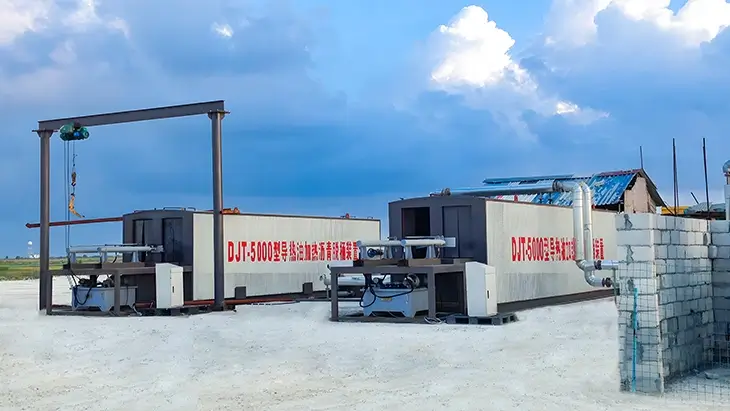
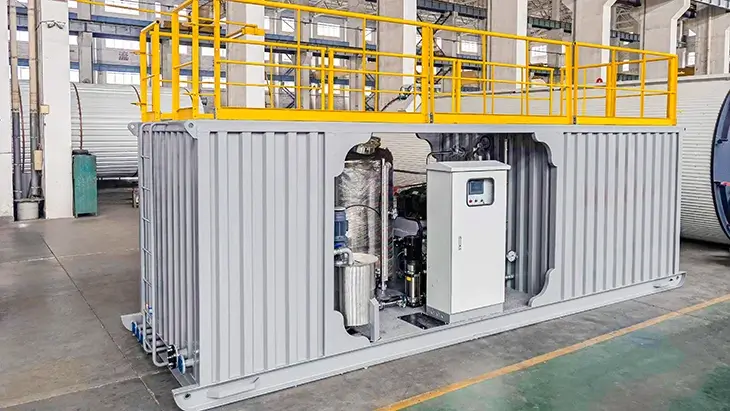
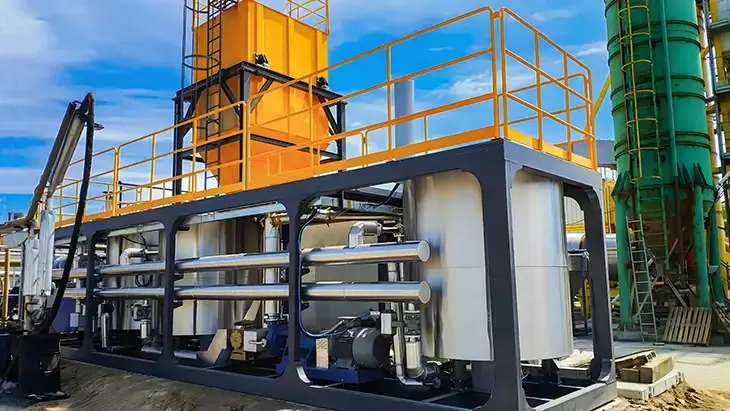

Bitumen tanks are infrastructure equipment specially used for bitumen storage and transportation, which are mainly composed of a tank body, a heating system, a transportation system, insulation layers and a control system.
As global building infrastructure thrives, the asphalt tank market is experiencing a rapid growth trend. However, in the 2026 construction landscape, a bitumen tank is no longer viewed as a standalone container but as the "thermal heart" of a asphalt mixing plant. The continuous production of liquid bitumen and the rising demand for high-quality asphalt mixes in regions like Southeast Asia and Africa further promote the development of this specialized sector.
Bitumen storage tanks have a quite extensive price range, spanning from a few thousand yuan for a small portable type to hundreds of thousands yuan for a large industrial type. Such a large price difference depends on specifications, materials, functions and brands, etc. Therefore, we should make comprehensive considerations based on our actual needs and budget when purchasing bitumen tanks.
To help you pick a suitable bitumen tank with the highest cost performance, this article conducts a detailed analysis of factors that affect the pricing of bitumen tanks.
CONTENTS
Factors Affecting the Price of Bitumen Tanks
1. Specifications and Capacity
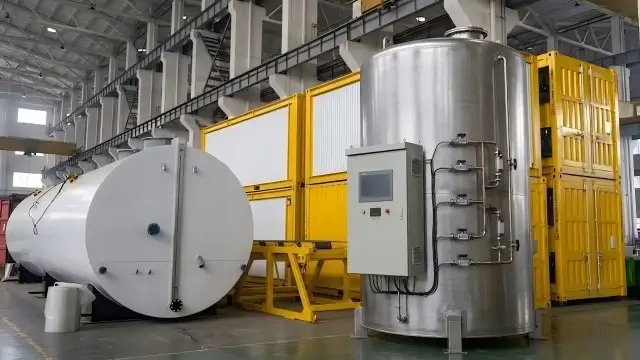
Generally speaking, the capacity and specifications of an asphalt tank are directly proportional to its price. In the 2026 construction landscape, larger tanks require thicker materials and more complex manufacturing processes to ensure safety and stability under immense hydrostatic pressure.
Common capacities ranging from 30m³ to 100m³ often benefit from standardized manufacturing, offering the highest cost-performance. However, ultra-large industrial tanks exceeding 200m³ require specialized structural reinforcement, leading to a steeper price curve. Additionally, while vertical tanks save space for permanent plants, horizontal containerized specifications are the preferred choice for mobile projects in regions like Africa and Southeast Asia to minimize long-term logistics costs.
| Feature | Standard Specifications | High-Capacity/ Specialized |
|---|---|---|
| Capacity Range | 30m³ – 100m³ | 200m³ + |
| Primary Benefit | Standardized Cost | Structural Integrity |
| Optimal Use | General Infrastructure | Large Hubs/ Mobile Projects |
Ultimately, choosing a capacity that covers 1.5 to 2 days of production provides a safety buffer without over-investing in unused storage volume.
2. Material
The selection of raw materials is a primary factor that justifies the price gap between entry-level containers and high-end industrial bitumen tanks. While carbon steel is the global industry standard for economic storage, the 2026 market shows a clear shift toward specialized alloys to ensure engineering integrity.
According to the ASTM A240 standard, stainless steel grades provide significantly higher chromium and nickel content compared to carbon steel, creating a self-healing oxide layer. Research by the World Steel Association indicates that in high-humidity or coastal environments, the corrosion rate of standard carbon steel can be up to 10 times higher than that of stainless steel. This superior resistance allows stainless steel bitumen tanks to extend their operational lifespan by over 15 years compared to untreated alternatives. Consequently, the higher initial price of stainless steel tanks is a direct reflection of their superior durability and lower long-term replacement frequency.
Beyond the tank shell, the insulation material is a critical component of the "thermal heart" that influences the final quotation. The thermal conductivity of the insulation layer is a decisive technical parameter; for instance, high-density Rock Wool (with a typical thermal conductivity of approximately 0.035 W/m·K) or Polyurethane Foam is essential for maintaining bitumen in a liquid state. By utilizing a standardized insulation thickness of 50mm to 100mm, heat loss can be reduced by up to 30%, which significantly lowers the long-term energy consumption costs. Therefore, a higher upfront investment in premium insulation materials often results in a more favorable total cost of ownership over the tank's finite service life.
3. Functionality
In the specialized sector of bitumen storage, functionality is a primary differentiator in market quotations. While basic tanks are designed for simple containment and transport , modern high-end units integrate sophisticated technologies to meet the rigorous process requirements of 2026 infrastructure projects. These functional enhancements inevitably lead to higher manufacturing costs, which are reflected in the final purchase price.
The integration of PLC (Programmable Logic Controller) systems and automated heating controls represents a significant portion of a tank's value. According to data from Mordor Intelligence, the demand for high-quality asphalt mixes requires precise temperature management to prevent material oxidation or degradation. High-end tanks equipped with automatic heating and mixing functions allow operators to maintain consistent viscosity. While these features increase the initial investment, they significantly reduce manual labor costs and prevent expensive batch failures, offering a higher cost-performance ratio over time.
The complexity of the internal heating network—whether utilizing thermal oil, electric elements, or direct-fire systems—is a decisive pricing factor. More efficient systems require extensive internal coil layouts and high-precision sensors to eliminate "cold spots". As the global bitumen market is projected to reach USD 88.08 billion by 2030 , the transition toward these automated, high-efficiency functional units is becoming the industry standard for ensuring engineering integrity.
4. Brand
Brand reputation remains a decisive factor in procurement, as established names provide a necessary guarantee for engineering integrity and long-term after-sales support. In the 2026 global market, the price of a bitumen tank often reflects the manufacturer's ability to comply with stringent international safety standards, such as CE marking or ASME certification.
According to a 2024 analysis by Grand View Research, the increasing complexity of road construction projects has led to a "flight to quality," where Tier-1 manufacturers command a price premium of 15% to 25% over unbranded alternatives. This premium covers the cost of rigorous Quality Assurance (QA) and the availability of global service networks. While established global entities like Ammann and Vimpo maintain a significant presence, the shift toward localized infrastructure in the Asia-Pacific and African regions has allowed agile manufacturers to gain ground.
Data from Expert Market Research highlights that the expansion of the "Belt and Road" initiatives has created a surge in demand for durable, mid-priced industrial tanks. This explains why premier bitumen storage tanks typically command a premium over niche alternatives , yet regional leaders like ACE have emerged as pivotal players. By operating from the center of the world's largest infrastructure hub , such brands can offer high-tier thermal technology without the heavy logistics overhead of Western competitors, providing the durability and efficiency essential for the evolving requirements of this multi-billion dollar industry.
Ultimately, the choice of brand is a strategic decision: an investment in a recognized manufacturer like ACE ensures that the "thermal heart" of the plant remains operational, preventing the catastrophic costs of production downtime.
Model: 20 ~ 50
Capacity: 20m³ ~ 50m³
Tank Wall Thickness: 5mm
Insulation Material: Rock Wool 80K
Insulation Thickness: 50mm
Weight: 5500kg ~ 7200kg
Heating Method: Direct Heating, Electric Heating, Thermal Oil Heating
5. Degree of Newness
The service life of bitumen tanks is finite, which directly dictates the presence of depreciation expenses in market valuations. In the 2026 heavy equipment market, the price of a used unit is typically calculated based on its remaining functional lifespan and the cost of potential refurbishments.
According to the Straight-Line Depreciation method commonly used in construction accounting, a bitumen tank typically loses 10% to 15% of its capital value annually during the first five years. Tank performance naturally declines as it is used over time, leading to a direct reduction in the asking price compared to a brand-new model. While a used tank may offer a lower entry price, buyers must account for the "residual value" and the increasing frequency of maintenance as the structure ages.
If a used bitumen tank has been well-maintained since its initial purchase, it can remain an economical option for projects with lower intensity requirements. However, industry data from the National Asphalt Pavement Association (NAPA) suggests that older tanks often suffer from compromised insulation efficiency and internal sedimentation, which can increase energy consumption by up to 20%.
Therefore, while the upfront cost of a new asphalt tank is higher, it ensures optimal performance, modern safety compliance, and a full manufacturer's warranty. For long-term and reliable use, the investment in a new unit often yields a better return on investment (ROI) by eliminating the unforeseen repair costs associated with second-hand equipment.
To sum up, the price of bitumen containers is influenced by a lot of factors. Please conduct a comprehensive evaluation of actual needs, budget and the supplier's quoted prices before making a purchase. By doing so, you can pick the product that meets your requirements and comes with excellent after-sales service at the most favorable price.
Instructions for Purchasing Bitumen Tanks
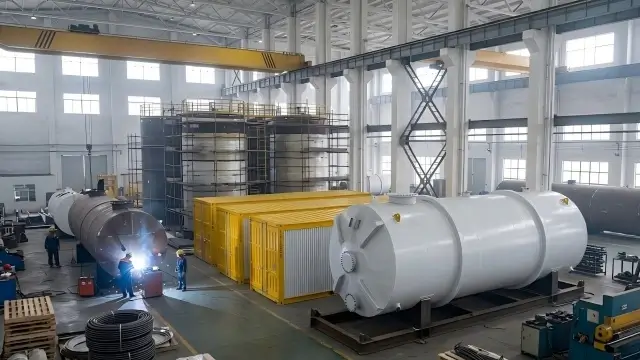
Purchasing a bitumen tank is not merely a one-time transaction but a long-term investment in your project's operational efficiency. To maximize your Return on Investment (ROI) and ensure engineering integrity, we recommend following these professional procurement guidelines:
1. Clarify Needs
Before requesting a quotation, it is essential to align the tank's specifications with your specific project needs. According to the International Road Federation (IRF), storage capacity should be calibrated to your peak daily asphalt output. While choosing a larger tank provides a safety buffer, an oversized unit may lead to unnecessary energy consumption for heating. Buyers should also determine if specialized features—such as automated agitation for Polymer Modified Bitumen (PMB)—are required to avoid under-specifying for complex 2026 infrastructure demands.
2. Long-term Operating Cost Analysis (OPEX)
The initial purchase price typically represents only 40% to 60% of a bitumen tank's total lifecycle cost. The remaining expenditure is driven by energy consumption and maintenance.
- Thermal Efficiency: Investing in tanks with high-density insulation (compliant with ASTM C547 standards) can reduce heating fuel costs by 15% to 25% annually.
- Maintenance Budgeting: A reliable rule of thumb is to allocate 2% to 5% of the original equipment cost per year for preventative maintenance to avoid the catastrophic costs of unplanned downtime.
3. Strategic Evaluation: New vs. Used Equipment
Deciding between new and pre-owned units requires a balance between capital savings and technical depreciation.
- New Equipment: Offers a full manufacturer's warranty, compliance with 2026 environmental standards, and the latest automation. This is the recommended choice for long-term reliability.
- Used Equipment: While the upfront cost is lower, it is vital to conduct Nondestructive Testing (NDT) to ensure the tank wall thickness still meets safety regulations. Used units are a viable option for short-term projects with limited budgets, provided the heating system is fully functional.
4. Warranty and After-sales Infrastructure
The value of a brand often lies in its support network. In the bitumen industry, a single day of production stoppage can exceed the initial savings from a cheaper, unbranded tank. Selecting a manufacturer like ACE, which maintains a robust service presence in the Asia-Pacific and African markets, ensures that technical support and spare parts are accessible within 24–48 hours, safeguarding your project timeline.
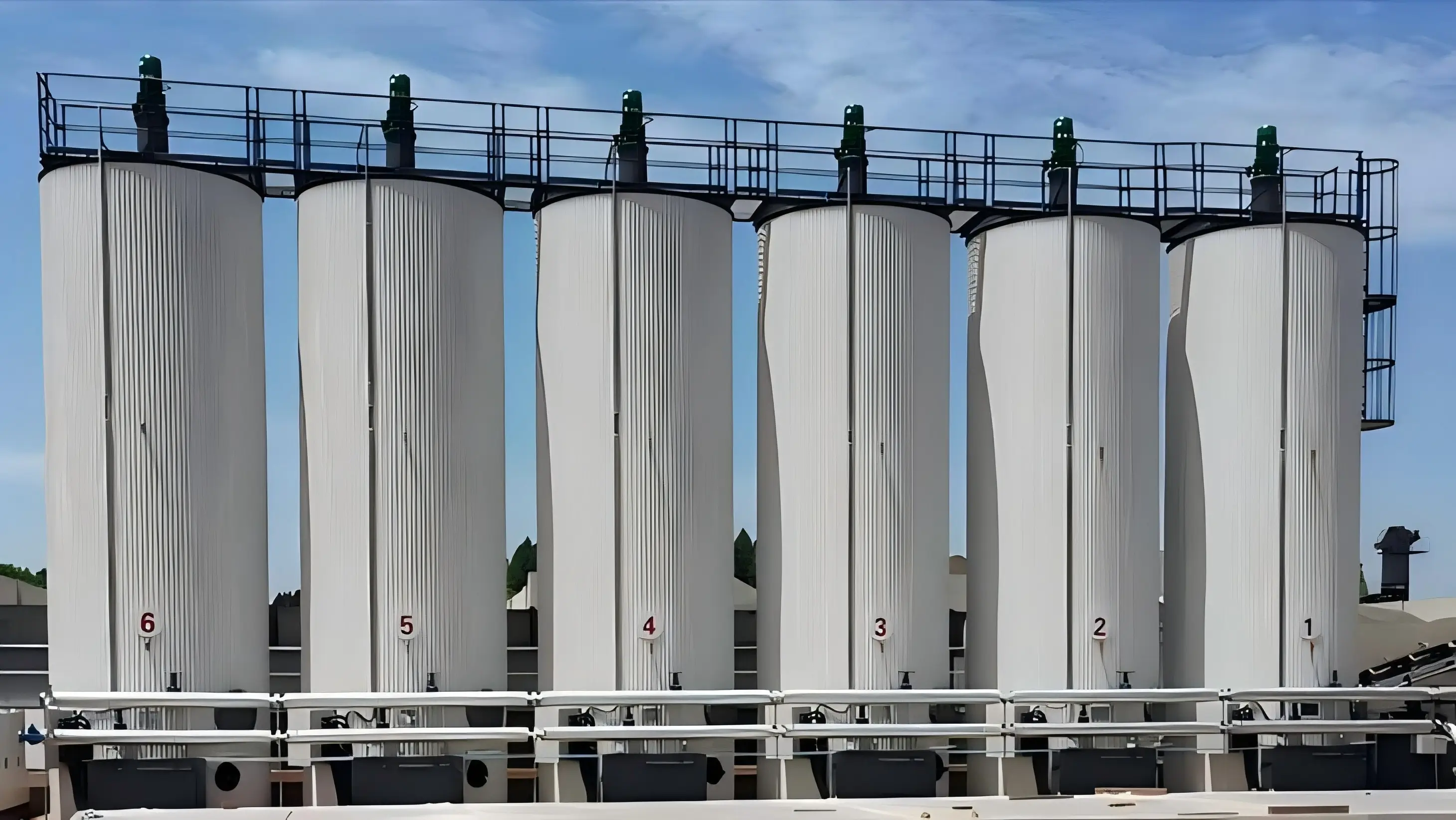
Model: 35 ~ 80
Capacity: 35m³ ~ 80m³
Insulation Material: Rock Wool 80K
Weight: 8000kg ~ 11000kg
Heating Method: Electric Heating, Thermal Oil Heating
The Ultimate Cost-Effectiveness of Bitumen Tanks Made in China
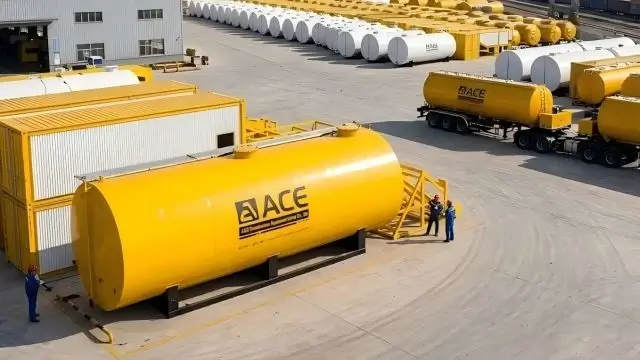
The global shift towards infrastructure in 2026 has highlighted the unique value proposition of Chinese manufacturing. By combining a mature industrial ecosystem with rapid technological iteration, Chinese suppliers offer a level of cost-effectiveness that is difficult to replicate elsewhere.
1. Strategic Cost Advantage
China possesses a comprehensive industrial chain that spans from raw steel production to high-precision sensor manufacturing. This integration, coupled with large-scale production capabilities, allows manufacturers to minimize waste and optimize logistics. As a leading player in this sector, ACE leverages these systemic advantages to produce bitumen tanks that maintain high price competitiveness without compromising on structural integrity. By operating at the center of this supply chain, ACE can offer premium features—such as reinforced double-wall insulation—at a total cost that remains highly accessible for global infrastructure projects.
2. Technological Innovation and R&D Breakthroughs
China's manufacturing sector has moved far beyond simple assembly, evolving into a hub for original R&D. In recent years, significant investments in automation have greatly improved the production efficiency of bitumen containers. ACE exemplifies this trend through its commitment to independent intellectual property. The brand has launched several innovative products, which have earned widespread trust in international markets. These breakthroughs ensure that every ACE bitumen tank meets rigorous international safety standards while providing the smart monitoring features required for modern construction sites.
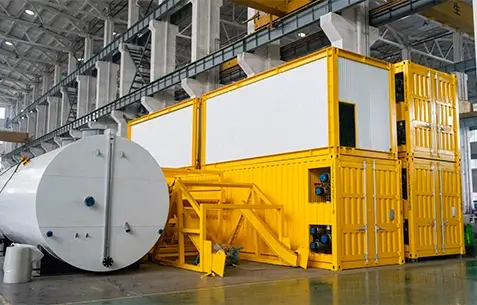
Model: 20GP & 40HQ
Capacity: 20m³ & 40m³
Maximum Volume: 29m³ & 55m³
Insulation Material: Rock Wool
Weight: 6500kg & 9500kg
Heating Method: Direct Heating, Electric Heating, Thermal Oil Heating
Summary
In conclusion, the pricing of bitumen storage tanks is a multifaceted equation where initial capital expenditure (CAPEX) must be balanced against long-term operational efficiency. As analyzed throughout this article, a higher price tag does not always equate to superior utility, nor does a lower price guarantee a bargain. In the 2026 infrastructure landscape, true value is found in the "Total Cost of Ownership"—considering energy savings, durability, and minimal downtime.
Chinese bitumen tank manufacturers have redefined this value proposition by integrating advanced automation with large-scale industrial efficiencies. By offering high-performance storage solutions at competitive price points, brands like ACE have enabled global contractors to access Tier-1 thermal technology without the traditional "brand premium" overhead.
When selecting your next asphalt storage asset, we recommend shifting the focus from the sticker price to the Price-to-Performance ratio. By prioritizing engineering integrity, thermal efficiency, and reliable after-sales support from proven manufacturers, you ensure that your "thermal heart" remains a profitable engine for your project's success for decades to come.
FAQ
1. Are second-hand bitumen tanks worth buying?
Although used asphalt tanks are low in prices, there are some potential risks to their quality. Therefore, to ensure integrity and functionality of a bitumen container, it is vital that it be fully inspected before purchase. If the budget is limited and quality requirements are low, buying second-hand bitumen tanks will be a good choice. For long-term and reliable use, it is recommended to purchase a brand-new asphalt tank, as new product ensures optimal performance and quality.
2. What considerations should we make when buying bitumen tanks from China?
When purchasing bitumen containers, DO consider quality, technical specifications and reliability of the supplier, as well as relevant international trade rules and regulations, so as to avoid potential issues that may arise in future use.
3. Can you recommend a bitumen tank manufacturer?
We can contact experts in the industry for investigation and consultation first, and then check the supplier's market reputation, product quality and after-sales service. After comparing the characteristics and prices of different bitumen storage tanks, we can make a decision on which bitumen tank supplier is the one we are looking for based on specific needs.