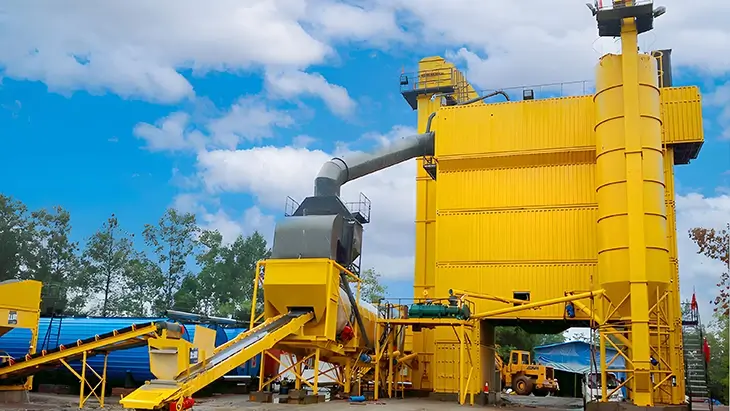
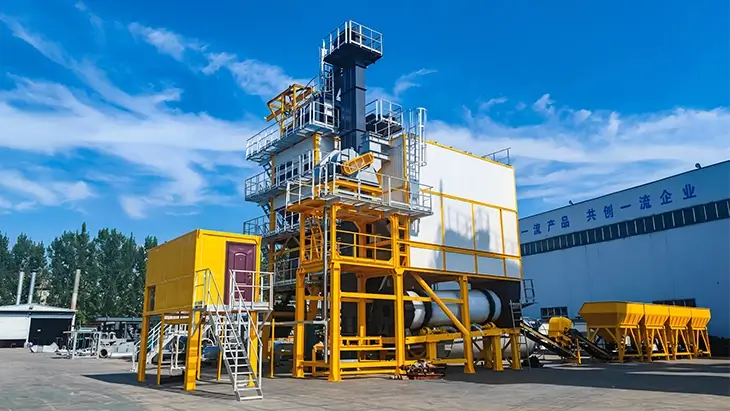
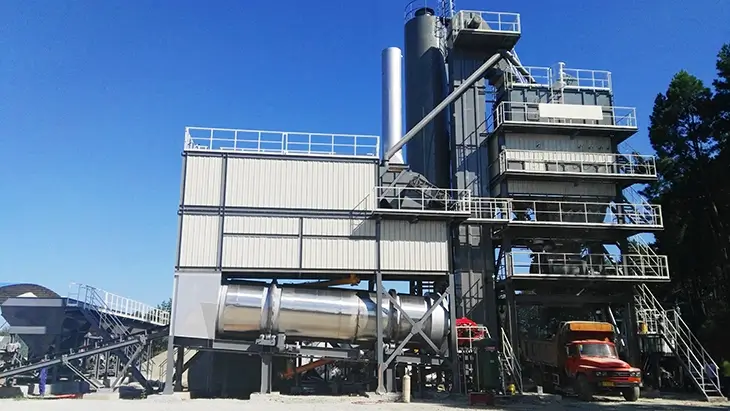
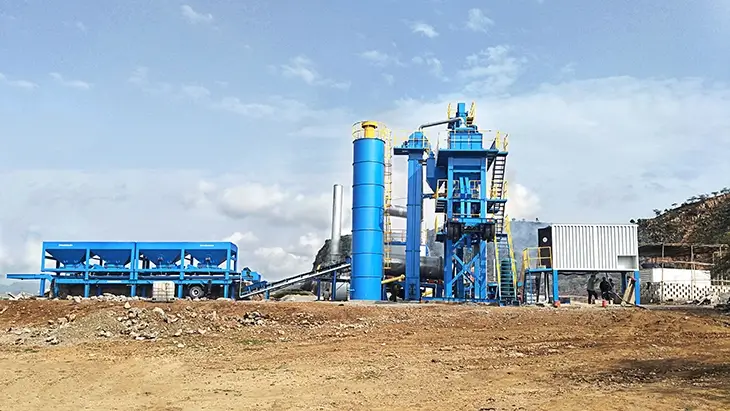
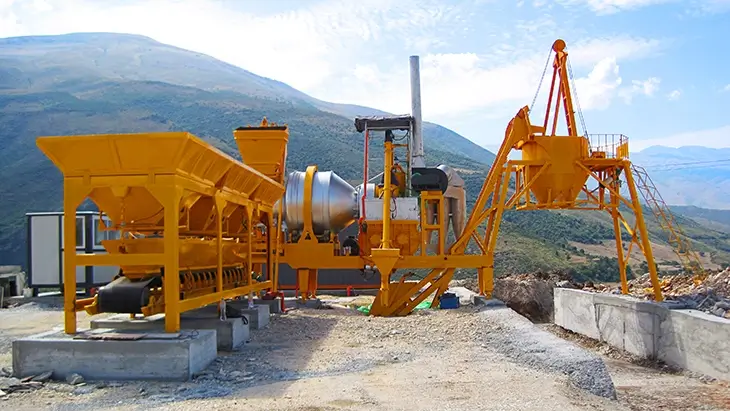
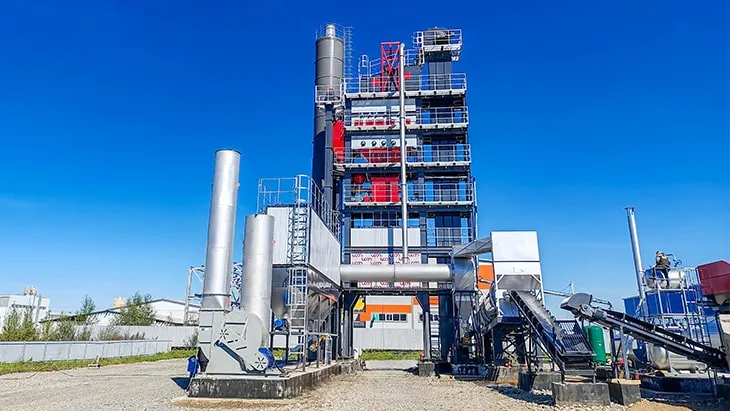
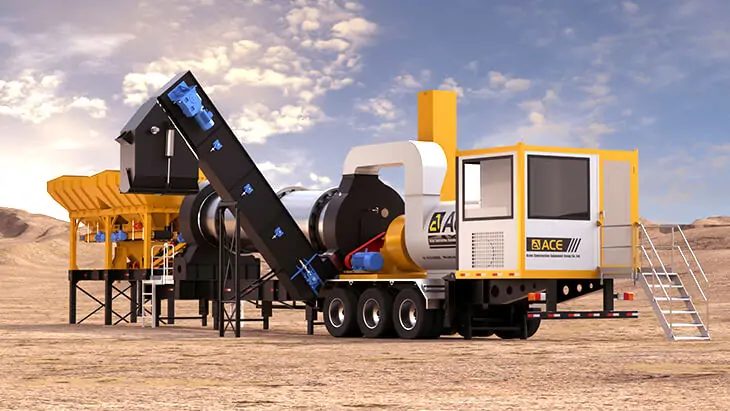
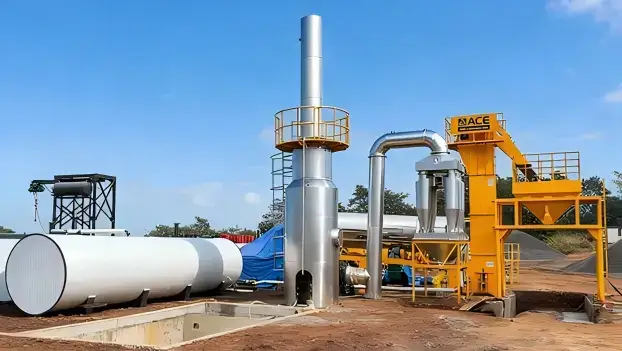
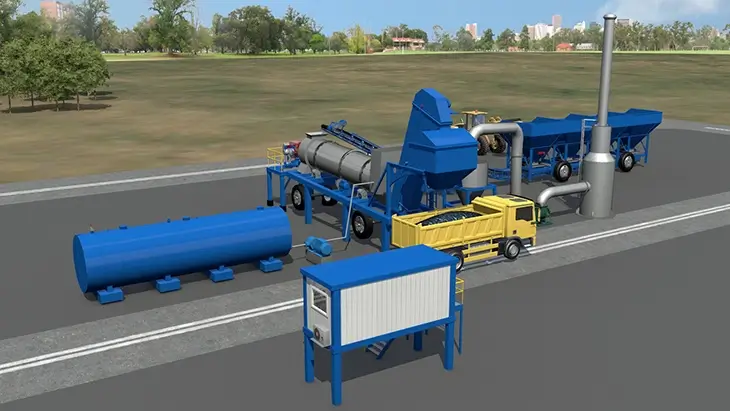
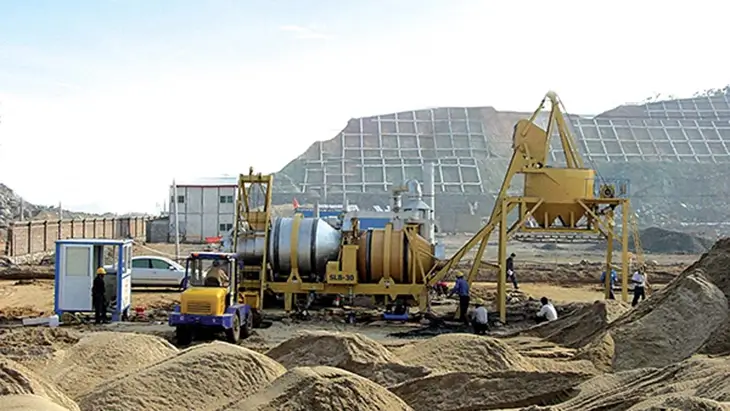

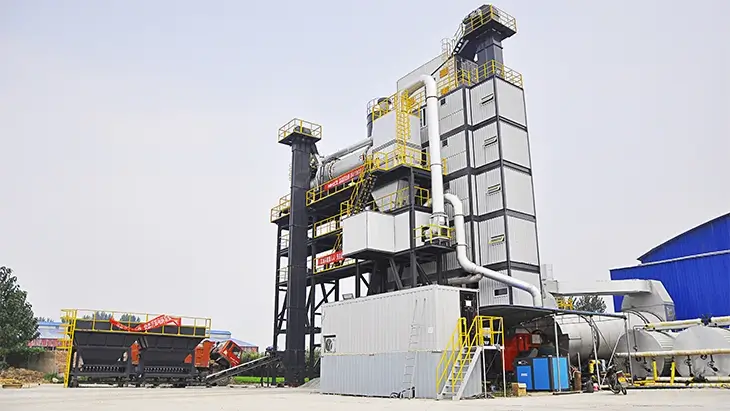
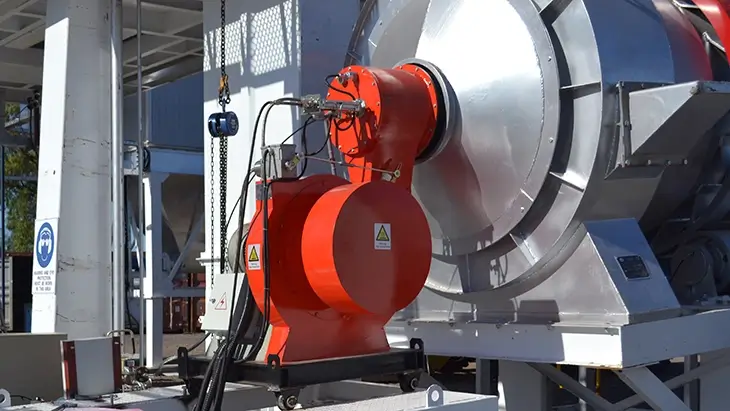
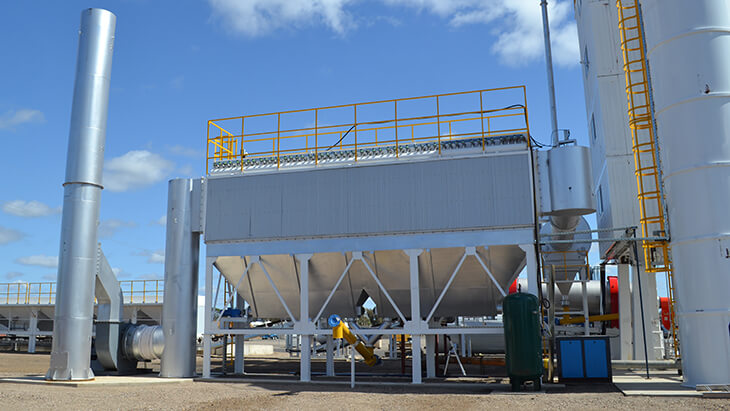
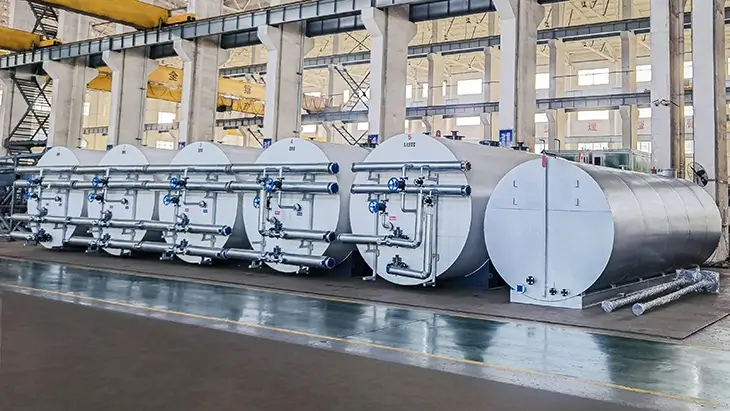
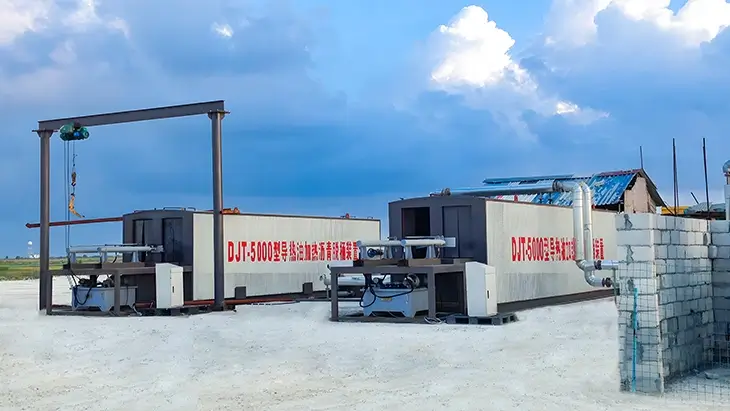
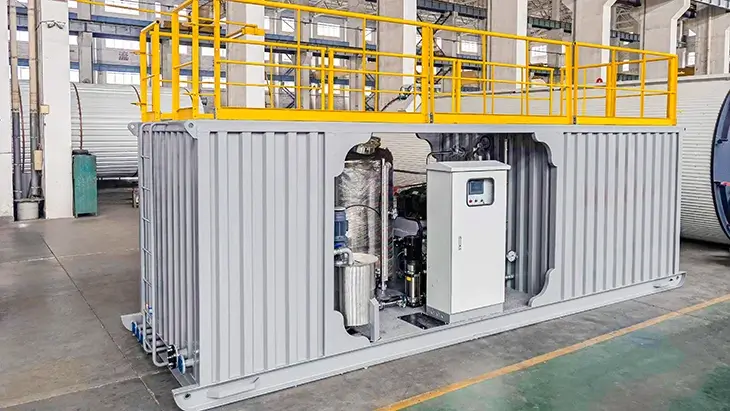



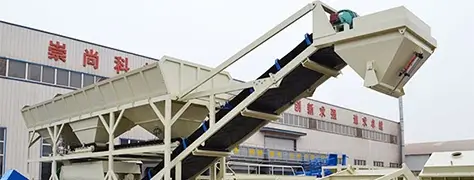




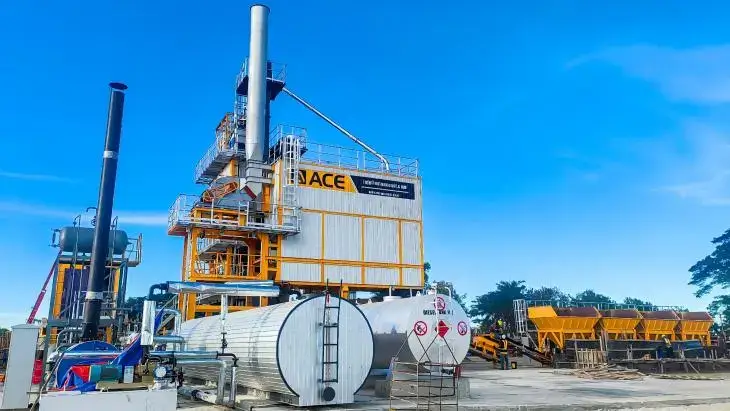
In global road infrastructure development, a common operational nightmare occurs when a hot-mix asphalt batch leaves the facility, arrives at the paving site, and is ultimately rejected during compliance testing. This costly disruption almost always stems from two critical engineering failures: unmanaged mixture proportioning or unstable material temperatures within the asphalt production cycle. To protect project margins and guarantee that every batch satisfies rigorous highway engineering inspections, facility managers must optimize the weighing precision and thermal regulation of their asphalt mixing plant.
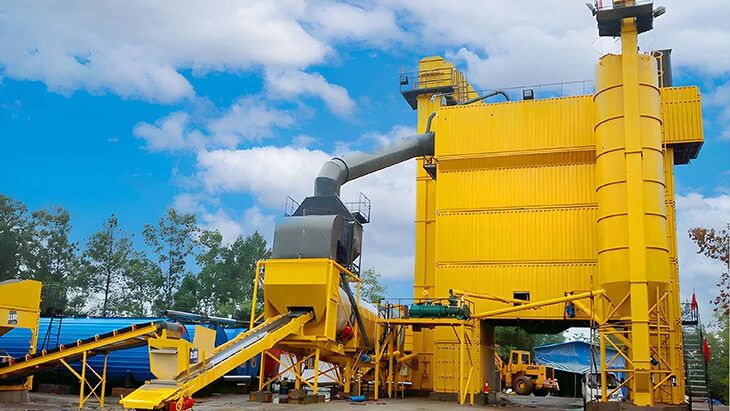
It is a common operational conundrum: an asphalt plant with a nominal rating of 240 tons per hour (t/h) may yield significantly less output by the end of a production shift, sometimes dropping to a total day's actual delivery of just 150 tons.
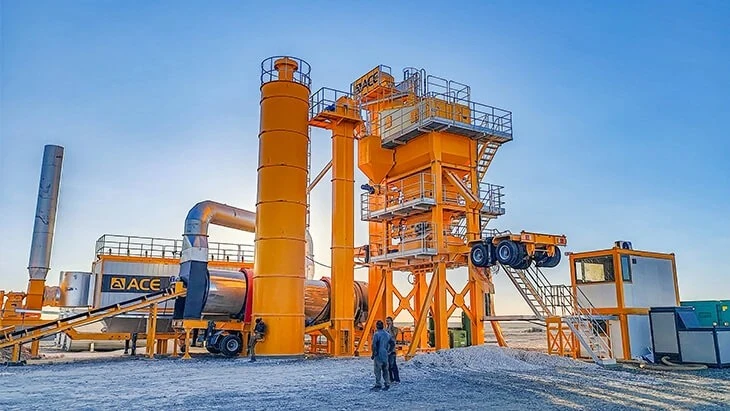
When it comes to asphalt mixing plant performance, the groundwork is everything. Smooth operation and low failure rates start fundamentally with proper site planning, leveling, and hardening. In heavy infrastructure engineering, optimizing the installation footprint is a vital prerequisite for securing continuous hot-mix asphalt (HMA) production. To eliminate costly structural errors and maximize long-term manufacturing efficiency, project managers must carefully execute the foundation preparation from day one.

When severe weather conditions strike a road construction site, ensuring the safe and compliant operation of the asphalt mixing plant is the top priority for the entire project. Plant operators, site supervisors, and project managers must never gamble with luck when facing unpredictable meteorological events like high winds, heavy rain, or thick snow. To guarantee a zero-accident workplace, three non-negotiable safety red lines must be strictly enforced at all times. Because an asphalt mixing plant is a highly complex, capital-intensive piece of heavy industrial machinery with rigorous engineering safety standards, these strict operational rules and preventative measures also establish a universal safety benchmark that applies directly to all other large auxiliary equipment across the construction site. Prioritizing the asphalt plant's safety red lines is the foundational baseline for protecting both human lives and high-value project assets.

In the setup and engineering procurement of a commercial asphalt mixing plant, having a stable, safe, and affordable power supply is the foundation of smooth production. When setting up this category of heavy machinery, many plant managers forget one important step: properly sizing the electrical transformer. If the power requirement is not calculated correctly, the plant often faces power shortages after equipment arrives, leading to costly delays and possible damage to machines.
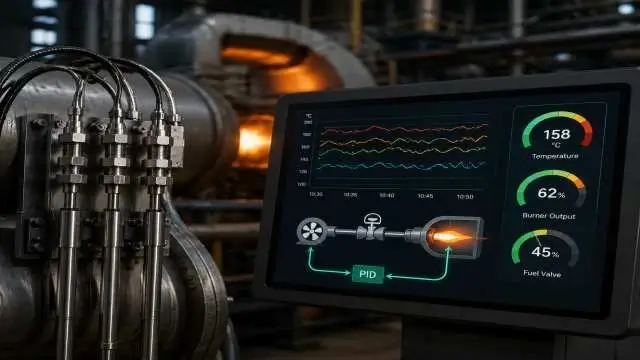
In road construction across the world, the performance of your asphalt mixing plant decides how fast projects move, how consistent the mix quality is, and how long the final road will last. One of the biggest challenges for plant operators is keeping the discharge temperature stable.
Unstable discharge temperature can cause serious paving problems and lead to material waste. This guide explains the three main causes of temperature fluctuations — bitumen heating issues, aggregate heating variations, and sudden moisture in the cold feed — and gives clear, practical solutions to help you maintain steady production and protect your profits.

In road construction across the world, the performance of your asphalt mixing plant directly determines how fast your projects move and how long the roads will last. Plant operators often face two major challenges: inconsistent mix quality and unstable daily production output. This practical guide explains the common causes — such as aggregate contamination, temperature problems, and feed supply issues — and provides clear engineering solutions to help you maintain steady production and improve your project profits.
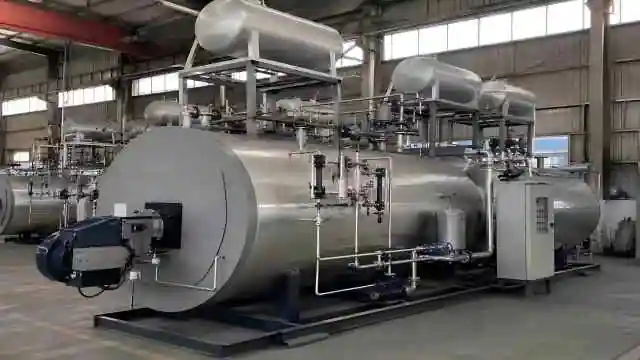
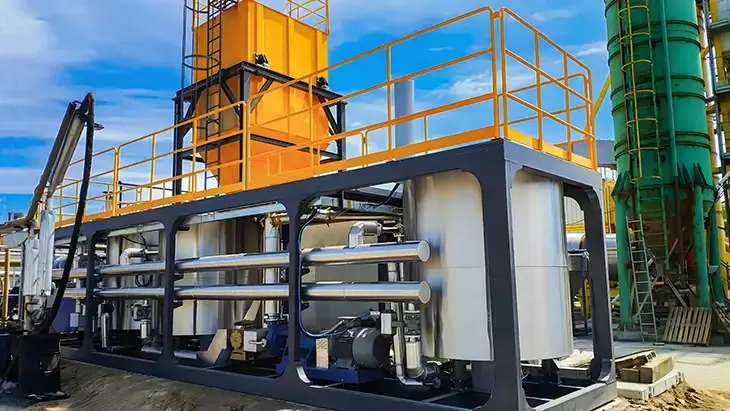
In the road and bridge construction industry, the thermal oil heater is the "heart" of an asphalt mixing plant. It provides the necessary thermal energy for heating bitumen, maintaining the temperature of storage tanks, and ensuring the smooth operation of the entire mixing system. As global industrial demand recovers, understanding the thermal fluid heater price and its long-term investment value is critical for asphalt plant owners to maintain a competitive edge and optimize project ROI.
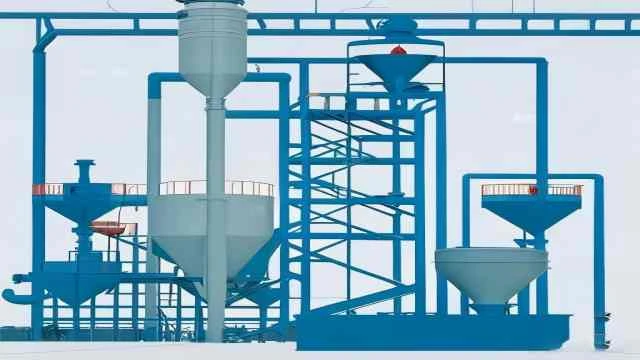
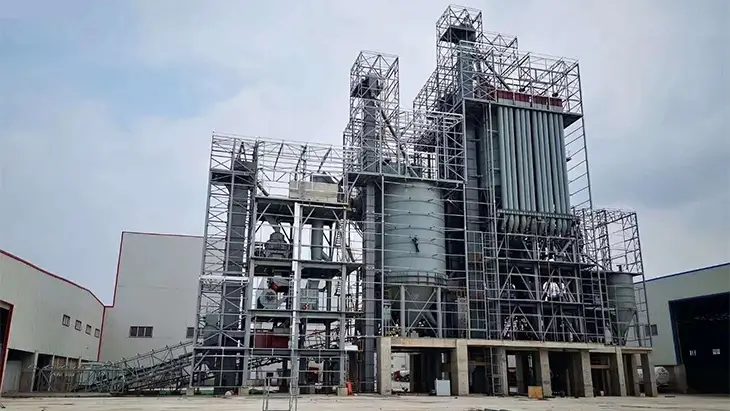
Dry mix mortar (also known as pre-blended dry mortar) is an engineered mixture of precisely proportioned cement, high-quality sand, and functional additives, manufactured under rigorous factory conditions. According to international standards such as ASTM C1714 and EN 998, dry mix mortar is thoroughly blended in a dry state and requires only the addition of water at the job site. This industrial approach eliminates the inconsistencies of traditional on-site mixing, ensuring superior bond strength, workability, and durability for modern construction.

Technically, bitumen emulsion is a heterogeneous, two-phase system where bitumen is dispersed as microscopic droplets within a continuous water phase, stabilized by a chemical surfactant known as an emulsifier. According to the International Bitumen Emulsion Federation (IBEF), this "Cold Technology" allows the binder to remain liquid and workable at ambient temperatures. By eliminating the need for extreme heating, it provides a more sustainable, energy-efficient (saving up to 50% energy), and safer alternative to traditional hot bitumen.