
Choosing a high-quality thermal oil boiler is a critical decision that many enterprises find challenging. With a wide variety of heating equipment available—including gas-fired, oil-fired, coal-fired, and electric models—selecting the product that best meets your needs is essential. As a premier manufacturer and supplier, ACE Group aims to guide you through the process by analyzing price, performance, and service to help you select the most suitable heating solution for your operations.
CONTENTS
Overview and Global Application Data
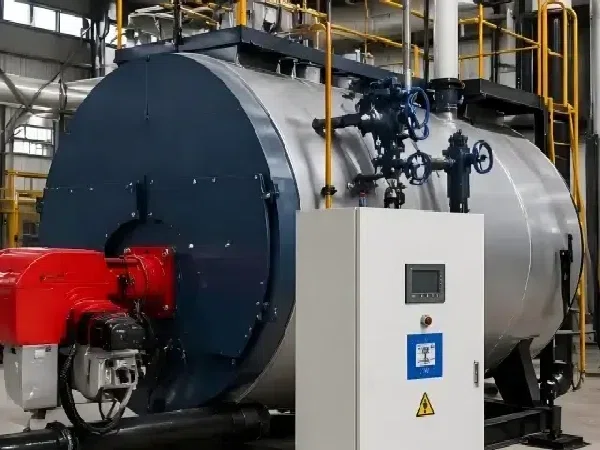
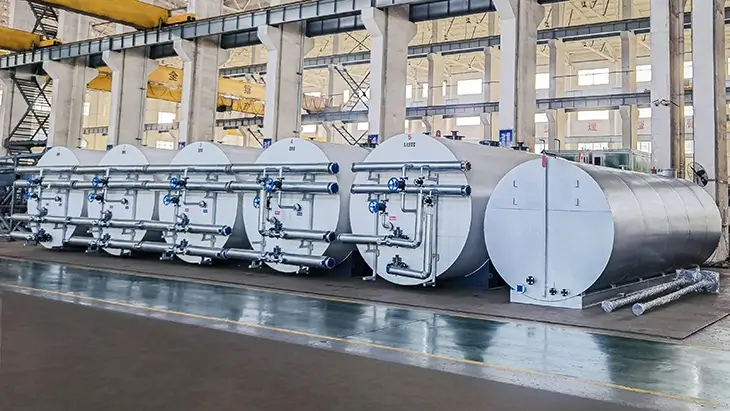
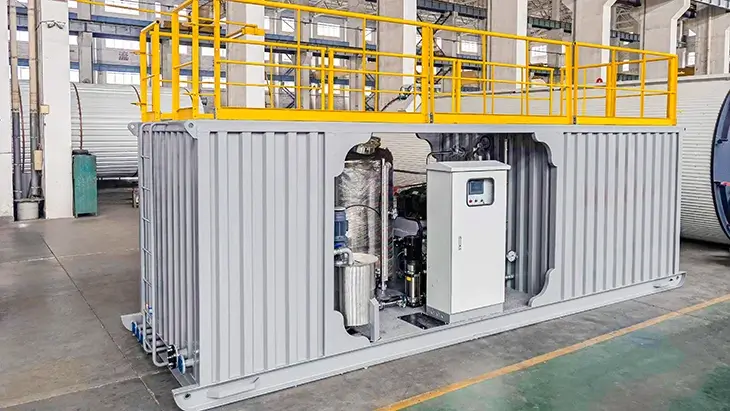
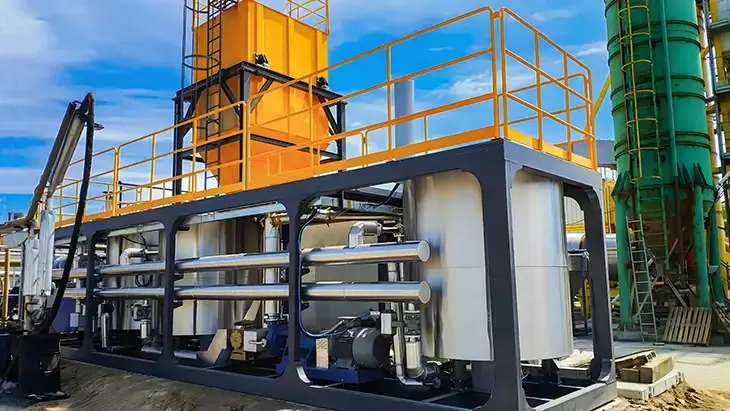
A thermal oil heater, also known as an organic heat carrier furnace, utilizes thermal oil as a heating medium. Backed by over 50 years of research as an intermediate heat transfer medium, it uses coal, oil, or gas as fuel, generates heat through the pump circulation of thermal oil, and delivers heat energy to heat-consuming equipment before returning for reheating.
According to Global Application Data, the usage scenarios for these heaters are incredibly diverse. They are vital industrial heating and insulation equipment in the chemical, grease, synthetic fiber, paper, plastic, and rubber industries. Additionally, they are used in central heating, electrical equipment manufacturing, the paint industry, wood building materials, metallurgy, and mechanical processing. Beyond these, they power warm water generators, steam generators, and radiators, and are essential in production processes such as soap detergent and tar processing.
Specialized Application in Asphalt Mixing Plants
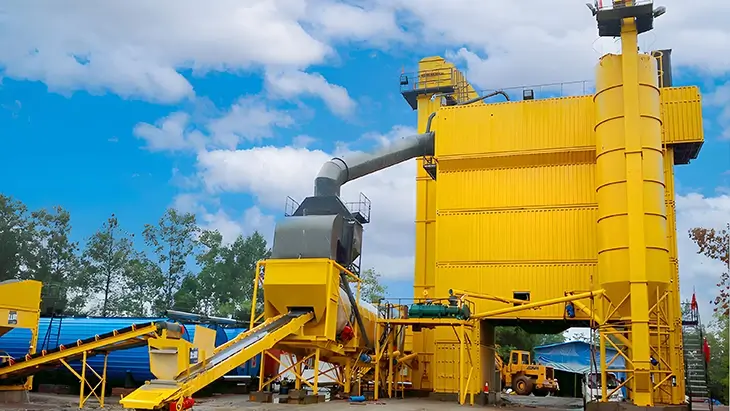
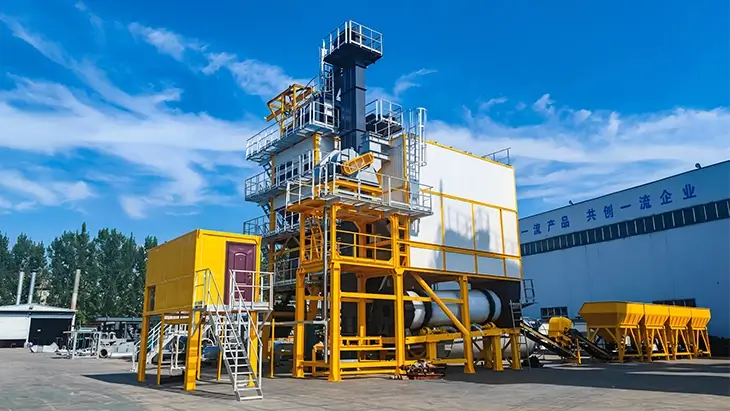
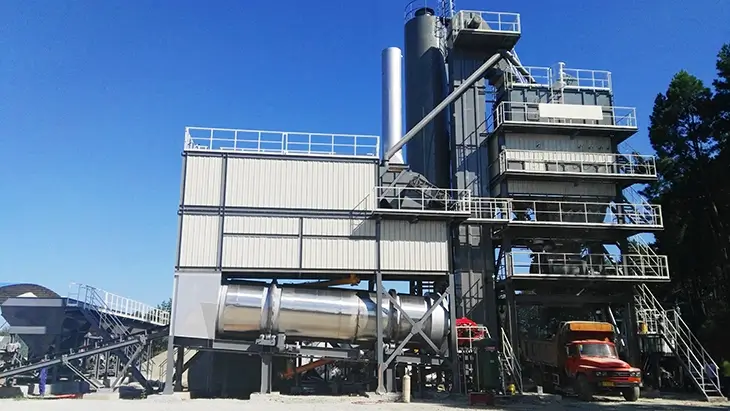
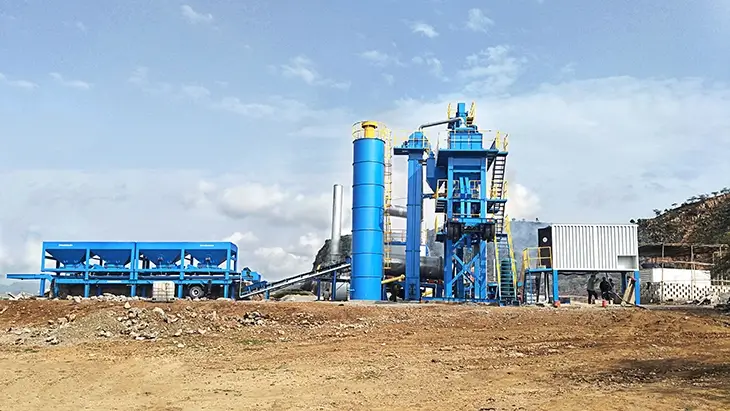
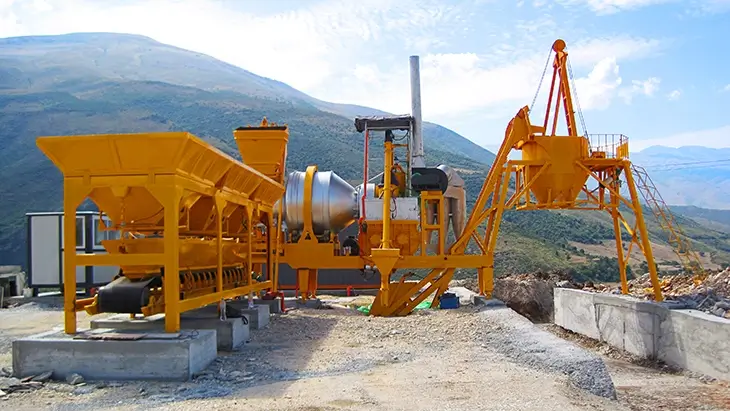
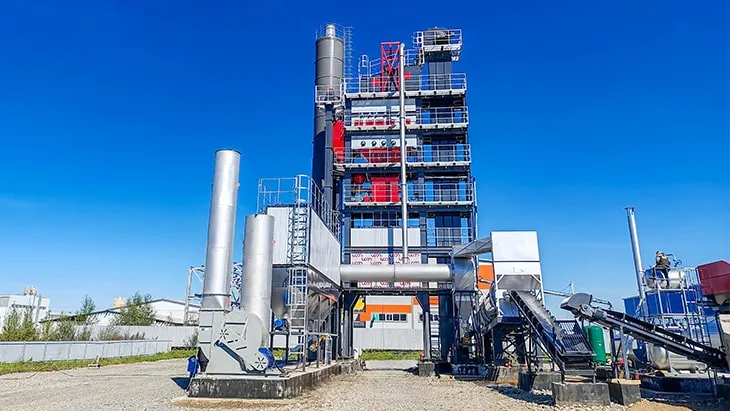
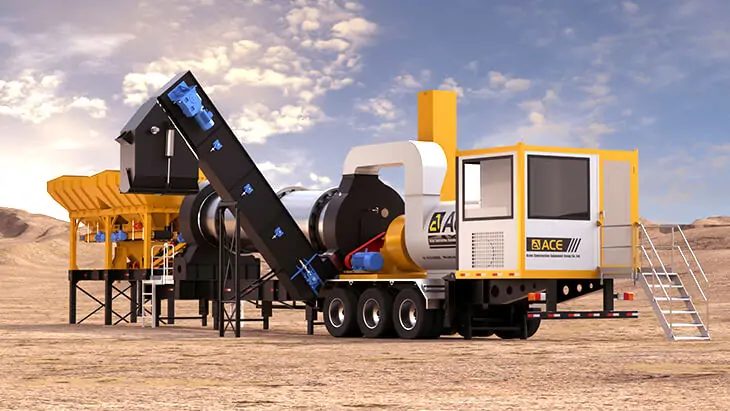
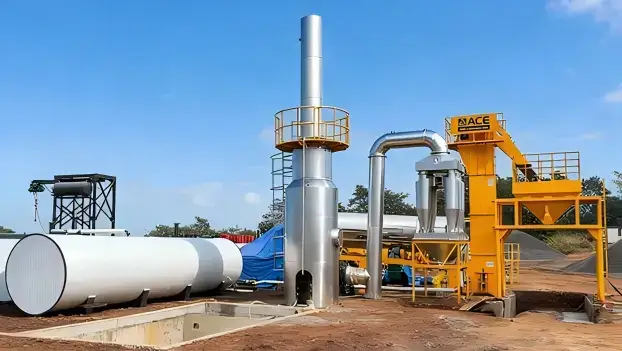
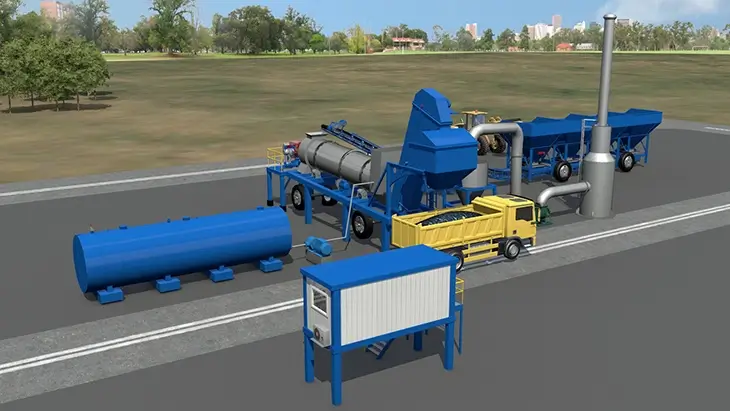
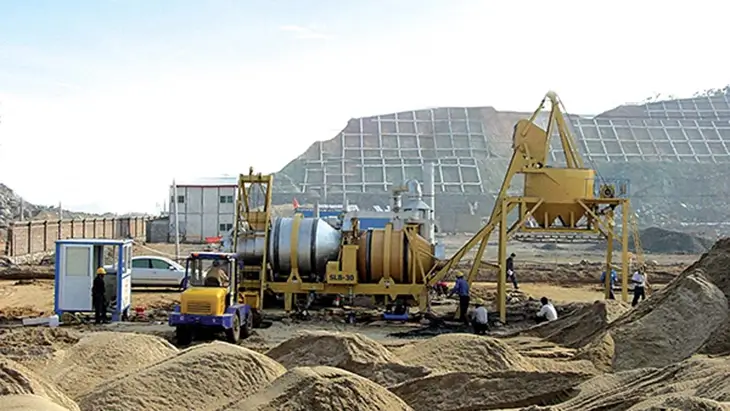
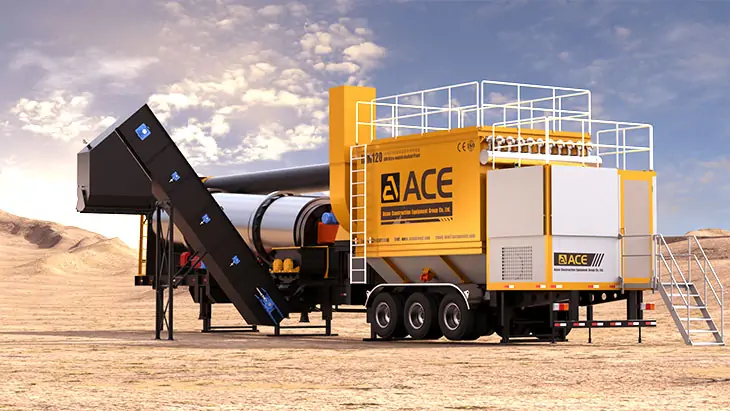
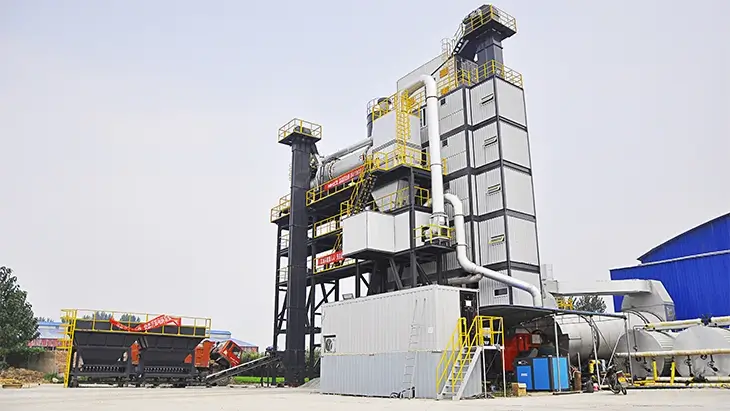
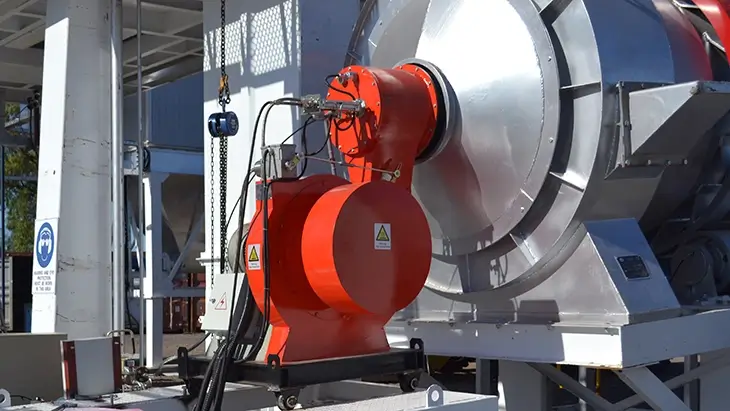
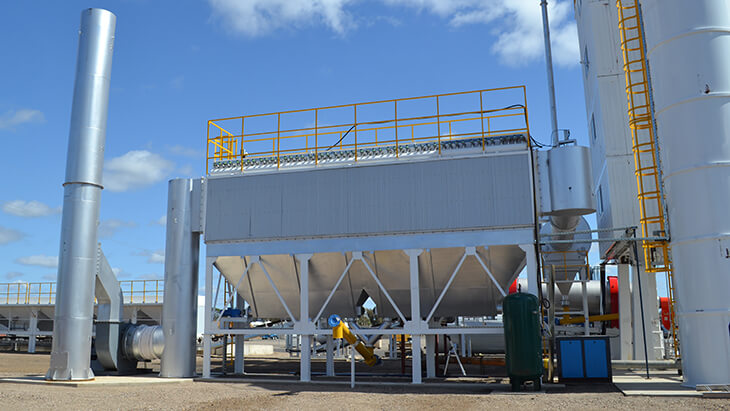
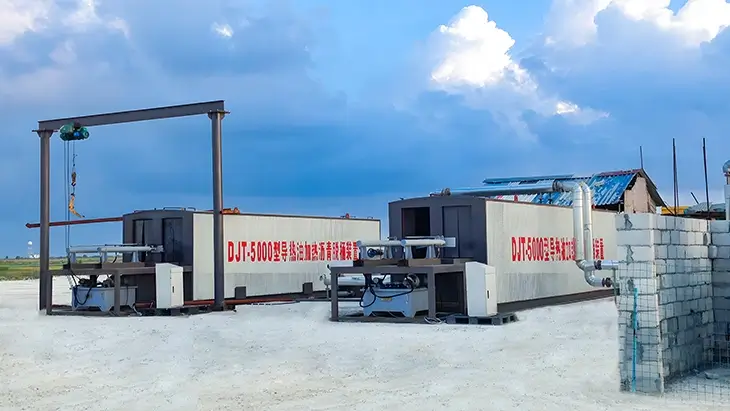
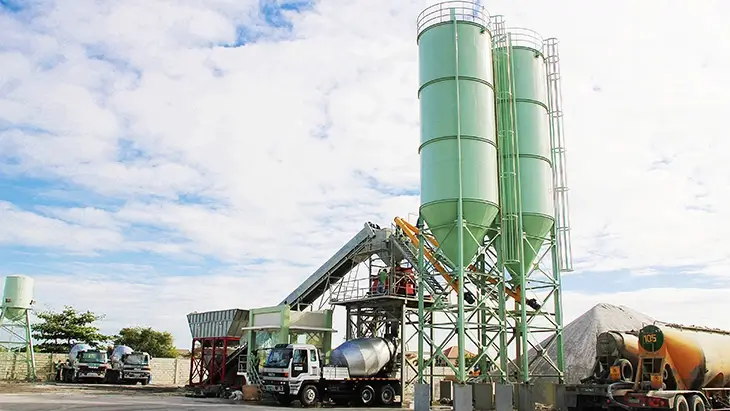
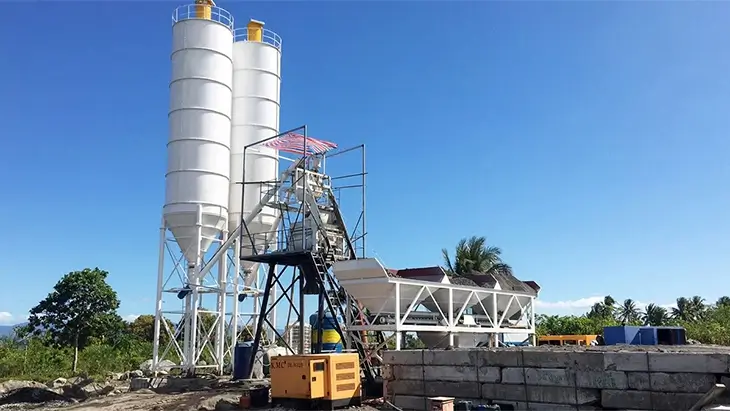
For specialized manufacturers like ACE Group, the integration of a reliable thermal fluid heater is a cornerstone of asphalt production technology. In asphalt mixing plants (bitumen stations), these systems are indispensable for maintaining the precise temperature of bitumen within storage tanks and delivery pipes. Because bitumen requires consistent, high-intensity heating to remain fluid for processing, our heating solutions are engineered to ensure uniform heat distribution without the risk of local overheating. This synergy between the heating system and the asphalt station significantly improves production efficiency and the final quality of the road construction materials.
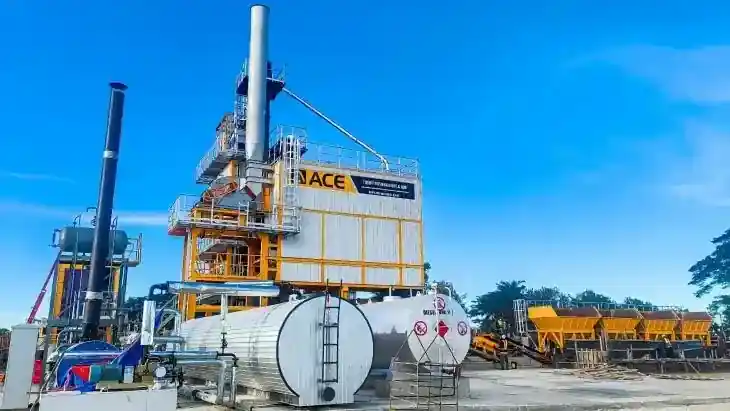
Model: BAP60 ~ BAP400
Capacity: 60t/h ~ 400t/h
Mixer Capacity: 750kg ~ 5000kg
Dust Emission: ≤20 mg/μm³
Total Power: 178kW ~ 960kW
Fuel Consumption(Diesel): 5.5-7 kg/t
Fuel Consumption(Coal): 10kg/t
Measurement Accuracy: Aggregate: ±0.5%; Filler: ±0.25%; Bitumen: ±0.25%
Technical Selection and Temperature-to-Medium Matrix
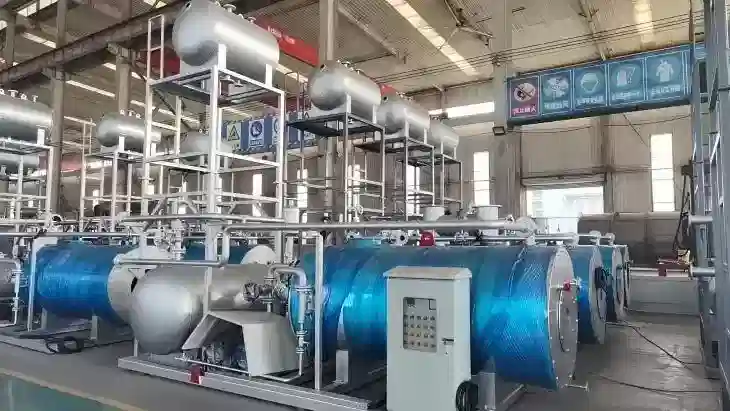
Selecting an organic heat transfer system requires careful consideration of furnace size, materials, and operating temperature. For regional conditions, facilities in cold northern or southern regions should prioritize thermal oil with excellent low-temperature fluidity for easier startups. In hazardous sites, safety performance is the paramount concern.
To assist in your technical selection, we have compiled the following Temperature-to-Medium Matrix based on industry standards. Matching the correct chemical composition to your operating temperature is critical for system efficiency:
Temperature-to-Medium Selection Matrix
| Operating Temperature | Recommended Oil Type / Boiler System | Chemical Base / Notes |
|---|---|---|
| Below 250°C | Mineral-type Thermal Oil Boiler | Cost-effective, standard mineral oil |
| 250°C – 300°C | Benzyl Toluene / Alkylbenzene | Includes Alkyl naphthalene types |
| 300°C – 350°C | Dibenzyl Toluene / Alkylbenzene | Includes Hydrogenated terphenyl types |
| 350°C – 400°C | Biphenyl & Biphenyl Ether | Low-melting mixed type for extreme heat |
Furthermore, system conditions must be factored in. For food processing, you must choose non-toxic or low-toxicity products like organic silicone or fluorine-based fluids. If the same oil is used for both heating and cooling, select a medium with a wide operating temperature range to maintain system stability.
Pricing Analysis and Total Cost of Ownership
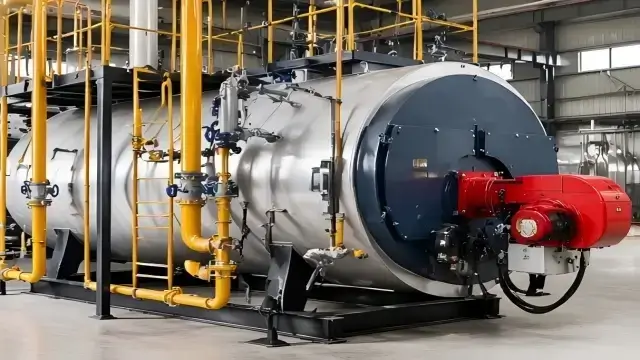
From a price perspective, a thermal fluid system varies significantly based on construction and materials. Market prices for small standalone or medium multi-unit units generally range from 7,000 to 20,000 RMB. Medium or large centralized supply pump stations range from 20,000 to 60,000 RMB. Specialized frost-resistant condensing chamber diffusion pump stations are priced between 30,000 and 100,000 RMB, while high-capacity 1MW and 2MW stations can range from 100,000 to 300,000 RMB.
However, the purchase price is only one part of the financial equation. To understand the true investment value, enterprises must calculate the Total Cost of Ownership (TCO), which includes four operational pillars:
1. Energy Consumption Cost: This is the primary ongoing cost, determined by the fuel type (gas, oil, coal, or electric) and the equipment's power efficiency.
2. Thermal Oil Cost: As the flowing medium for heat transport, oil quality directly affects costs. While high-quality oil has a higher upfront cost, it offers a longer service life and reduces maintenance overhead.
3. Maintenance Costs: Regular cleaning of heater internal deposits and replacement of corroded or damaged parts are necessary to ensure system integrity.
4. Equipment Depreciation Cost: Calculated based on the purchase price, expected service life, and residual rate, depreciation is a vital factor in long-term financial planning.
Quality Standards and Procurement Strategy
When purchasing an organic heat carrier furnace, do not look at price alone; a comprehensive cost-performance ratio is key. Pay attention to the labeled energy efficiency; high-efficiency boilers reduce energy consumption and production costs while minimizing environmental pollution. Since these are pressure vessels, they must pass strict national inspections and bear the appropriate steel stamps on the nameplate.
For buyers sourcing from China, choosing a reputable and well-known brand like ACE Group is crucial. You should have a full understanding of performance indicators such as combustion efficiency and service life. Quality testing and safety certification are essential steps. Finally, select the model and power based on your specific installation environment and pipeline requirements. Understanding your needs and the manufacturer's after-sales service commitments, such as warranty periods, ensures effective long-term operation.
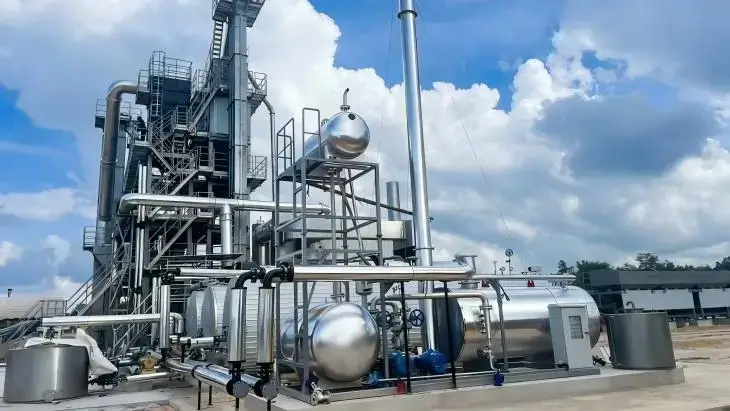
Model: YYW-350Y.Q ~ YYW-1400Y.Q
Rated Thermal Power: 300,000kCal/h ~ 1,200,000kCal/h
Fuel Thermal Efficiency: 91.7% ~ 91.8%
Gas Thermal Efficiency: 92.1% ~ 92.2%
Design Pressure: 1.1MPa
Maximum Operating Temperature: 320℃
Conclusion
Ultimately, successful procurement is a matter of "knowing yourself and knowing your enemy." By having a clear understanding of your specific technical parameters and ensuring the manufacturer provides robust after-sales service, you can secure a reliable and efficient heating solution. This balance of technical precision and economic foresight ensures that your equipment from ACE Group remains a safe and productive asset for your enterprise for years to come.