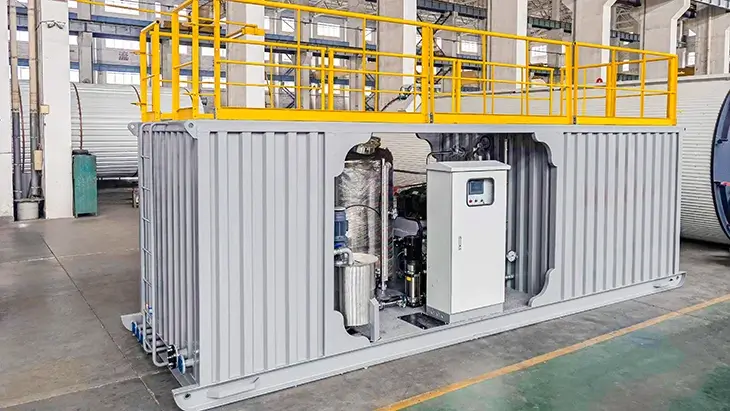
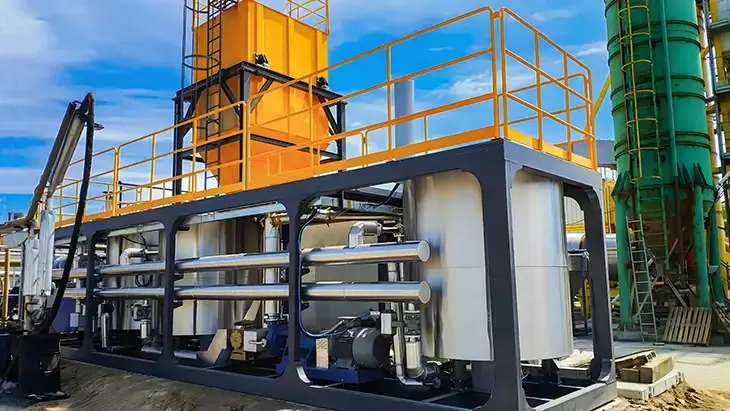
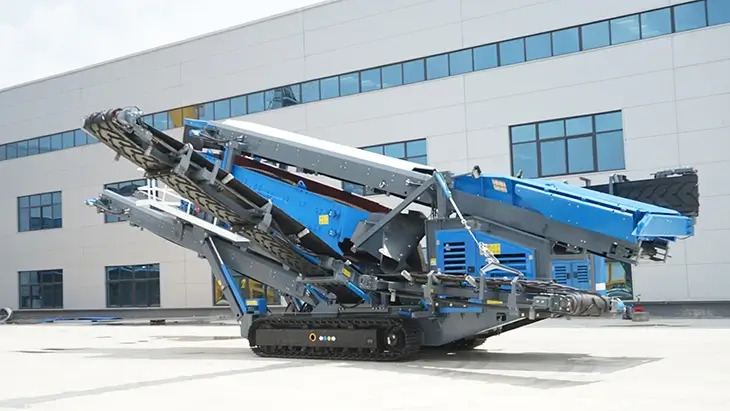
In the road and bridge construction industry, the thermal oil heater is the "heart" of an asphalt mixing plant. It provides the necessary thermal energy for heating bitumen, maintaining the temperature of storage tanks, and ensuring the smooth operation of the entire mixing system. As global industrial demand recovers, understanding the thermal fluid heater price and its long-term investment value is critical for asphalt plant owners to maintain a competitive edge and optimize project ROI.
CONTENTS
- 1. What is a Thermal Oil Heater?
- 2. Price Influencing Factors of Thermal Oil Heaters
- 3. Thermic Oil Boiler Price Gap: Western vs. Chinese Manufacturers
- 4. Optimize ROI: How to Reduce Thermic Fluid Boiler Procurement and Operational Costs
- 5. Thermal Oil Heating System Solutions by ACE Group
- 6. Summary
- 7. Frequently Asked Questions
What is a Thermal Oil Heater?
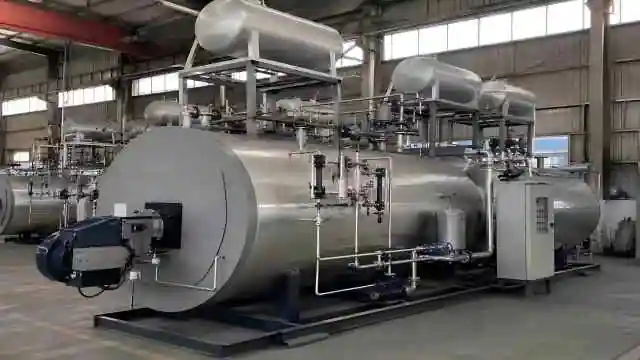
According to international engineering standards such as ASME (Section VIII) and ISO 9001, a thermic oil heater is a high-efficiency industrial heating facility designed for precise temperature control. Unlike traditional steam boilers, it utilizes specialized organic heat transfer fluids to deliver high temperatures (up to 320°C) at near-atmospheric pressure.
For the road construction sector, this low-pressure operation is a game-changer. It eliminates the risks associated with high-pressure steam vessels and the need for complex water treatment, making it the most reliable solution for asphalt terminal heating and bitumen storage. Leading manufacturers like ACE Group have optimized these units specifically for the rigorous demands of construction sites.
Price Influencing Factors of Thermal Oil Heaters
The price range of heat transfer oil boilers is extremely wide, starting from CNY 50,000 to over CNY 2,000,000 (approx. USD 7,000 to USD 280,000) for standard industrial units, depending on make, specification, power and fuel type. This article divides the cost into two parts: purchase price (equipment cost) and other costs including installation, maintenance and fuel consumption.
Table 1: Technical Determinants of Equipment Cost
| Aspect | Key Influencing Factors | Impact on Price |
|---|---|---|
| Components/Materials | Quality of steel, coil thickness, and burner brand (e.g., Baltur, Riello). | High |
| Heating Parameters | Rated power (kW/MW) and maximum operating temperature. | Primary Factor |
| Temperature Control | Automation level (PLC), sensor precision, and safety interlocks. | Medium-High |
To provide a clearer perspective, the following table illustrates the typical budget allocation for a standard industrial heating system:
| Component | Estimated Percentage | Focus Area |
|---|---|---|
| Main Boiler Body | 45% - 55% | Quality of helical coils and carbon steel grade |
| Combustion System | 15% - 25% | High-efficiency vs. standard burners (Low-NOx) |
| Auxiliary Equipment | 15% - 20% | Circulation pumps, expansion tanks, and valves |
| PLC Control Unit | 5% - 10% | Automation level and safety interlock sensors |
| Installation & Commissioning | 5% - 10% | On-site technical support and piping integration |
Thermic Oil Boiler Price Gap: Western vs. Chinese Manufacturers
When sourcing for a road construction project, the origin of the heater significantly impacts the initial CAPEX and the speed of technical support.
Table 2: Western Brands vs. China-Made Products
| Dimension | Western Brands (EU/USA) | China-Made Solutions (e.g., ACE Group) |
|---|---|---|
| Price Point | Premium due to high R&D and labor costs. | Competitive (High Cost-Performance). |
| Customization | Standardized modules with fixed specs. | High (Tailored for specific plant layouts). |
| Pros | Long brand history and reputation. | Rapid ROI and flexible engineering. |
| Cons | High upfront investment. | Requires vetting experienced suppliers. |
Optimize ROI: How to Reduce Thermic Fluid Boiler Procurement and Operational Costs
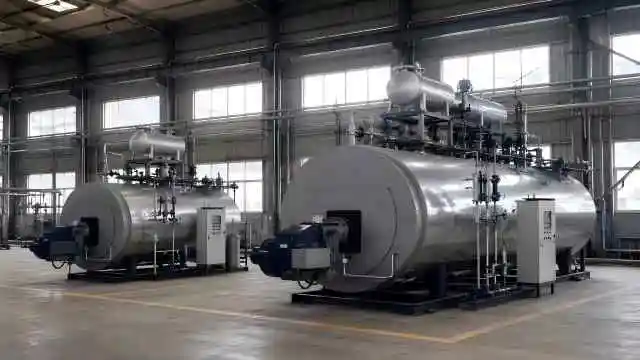
Based on industrial experience, the "cheapest" equipment often results in higher long-term expenses. To maximize your interests and ensure a sustainable ROI for your asphalt projects, consider these methods to reduce the overall procurement and operational costs (TCO):
- Energy Consumption Efficiency: Fuel consumption is the largest part of the ongoing operational cost. Selecting a high-efficiency burner and optimizing the heater's heat exchange area can reduce fuel costs significantly over 10-20 years.
- Maintenance & Service Life: The typical service life of a high-quality unit is 10-20 years. Regular maintenance focuses on preventing "thermal cracking" of the oil. Using suggested thermal oil and strictly following product instructions prevents premature equipment failure and costly downtime.
- Rational Power Selection: Avoid over-specifying heating power. Choosing a heater that perfectly matches your asphalt plant's actual capacity (e.g., 60t/h vs. 240t/h) ensures you are not paying for wasted energy or unnecessary upfront CAPEX, leading to the lowest Total Cost of Ownership (TCO).
- Operational Automation: Modern thermal oil heaters equipped with intelligent PLC control systems reduce the need for constant manual monitoring. This automation not only lowers labor costs but also prevents operational errors that could lead to system damage or energy waste.
Case Study: ROI Analysis of a High-Efficiency Thermal Oil Heater in an Asphalt Plant
An asphalt mixing plant (160t/h capacity) replaced an aging, low-efficiency heating system with a modern high-efficiency thermal oil heater (2MW).
- Annual Fuel Savings: By improving thermal efficiency from 82% to 92%, the plant reduced natural gas consumption by 12%. Based on 2,000 operational hours/year, this equates to a saving of approximately USD 25,000 - USD 35,000 annually.
- Maintenance Cost Reduction: The new PLC-controlled system prevented thermal oil degradation (cracking), extending oil life from 2 years to 4 years, saving USD 8,000 in fluid replacement costs every cycle.
- Payback Period: The price difference for the high-efficiency unit was recouped within 14 - 18 months solely through energy savings.
Thermal Oil Heating System Solutions by ACE Group
As a leader in road and bridge construction equipment, ACE Group's thermic fluid boilers are specifically engineered for the asphalt mixing industry. Our solutions focus on three core pillars:
- Failure-Resistant Engineering: Designed for the harsh environments of construction sites, our heaters use heavy-duty circulation pumps and thick-walled helical coils to ensure stable production.
- Precision Bitumen Heating: Our PLC systems provide the accurate temperature control required for different bitumen grades (SBS modified, emulsified, etc.), preventing asphalt aging.
- High ROI for Plant Owners: By integrating low-NOx, high-efficiency burners, our units reduce annual fuel consumption by 10-15%, helping clients recoup their investment quickly.
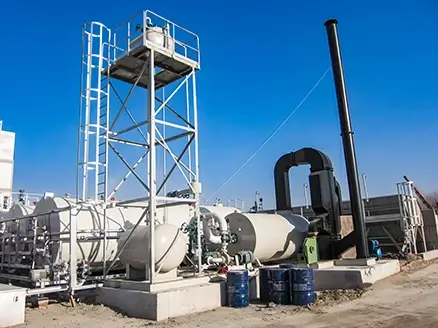
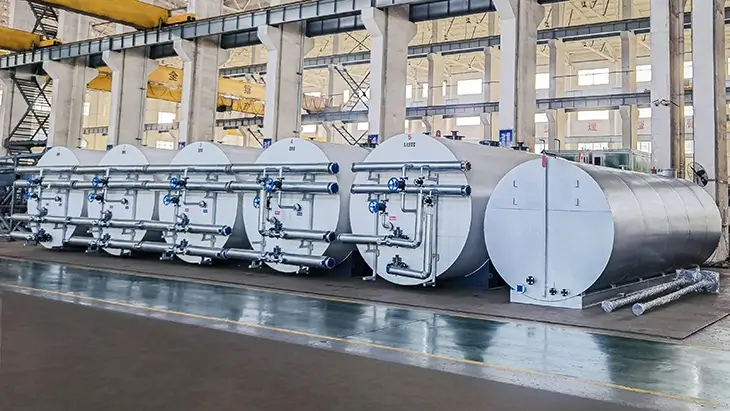
Model: YYW-350Y.Q ~ YYW-1400Y.Q
Rated Thermal Power: 350 kW ~ 1400 kW
Heat Supply: 300,000 kCal/h ~ 1,200,000 kCal/h
Fuel Thermal Efficiency: 91.7% ~ 91.8%
Highlights: 1. Excellent thermal conductivity; 2. Precise temperature control; 3. Stable operation, low energy consumption; 4. Applicable to multiple energy sources
Summary
Understanding the concept and price of a oil heater boiler is essential for any industrial operation. While initial equipment costs are influenced by technical parameters and origin, the true value lies in the balance of performance, thermal efficiency, and long-term reliability. By prioritizing life cycle cost and selecting a manufacturer with proven industrial experience, you can ensure a stable, safe, and profitable production environment.
Frequently Asked Questions
Q: How long is the service life of thermal oil heater?
A: The service life of oil thermal heaters is generally 10-20 years. Please use the suggested thermal oil and perform maintenance in accordance with product instructions, otherwise the service life will be reduced.
Q: What are the precautions for buying a thermal oil boiler from China?
A: China has a relatively large thermal oil heater market, and China-made products are famous for their cost performance and customized solutions, but may be deficient in terms of product quality and performance. Therefore, it is suggested to choose a supplier with sufficient experience, and communicate with pre-sales technical support personnel about your specific needs, so that suppliers can provide solutions that best fit your interests. China's export process is quite perfect, and suppliers can be fully responsible for transportation and installation processes. To maximize your interests, make clear important information like price and delivery time before the transaction.
Q: How long will it take to train professionals after purchasing a thermic oil boiler?
A: Thermal oil heater professionals include operators, maintenance personnel and technical support personnel. The training time of operators takes a few days up to several weeks, depending on the complexity of the operating system. You may request the suppliers to perform maintenance and technical support, or ask them to train your own technicians. The training of general maintenance personnel generally takes about one month, and that of technical support personnel takes a few weeks.