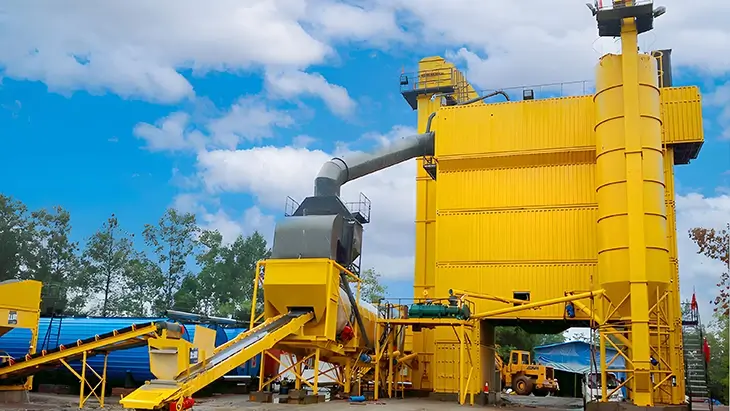
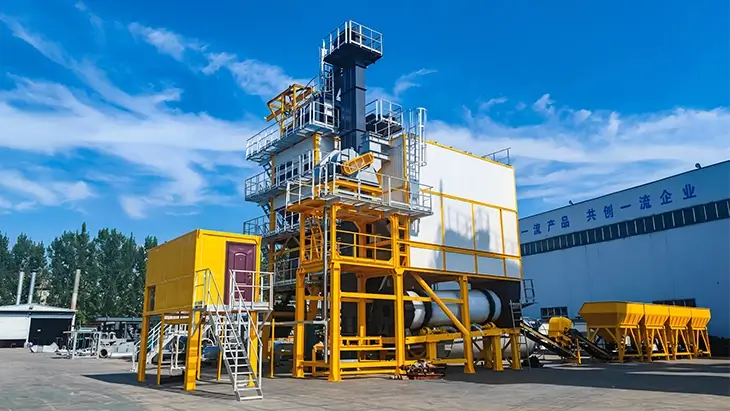
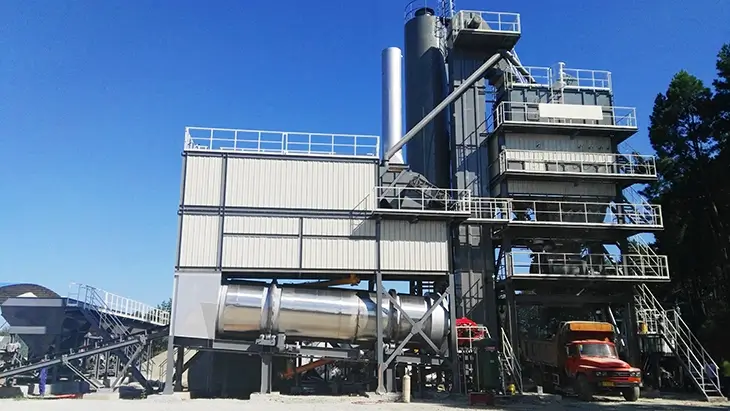
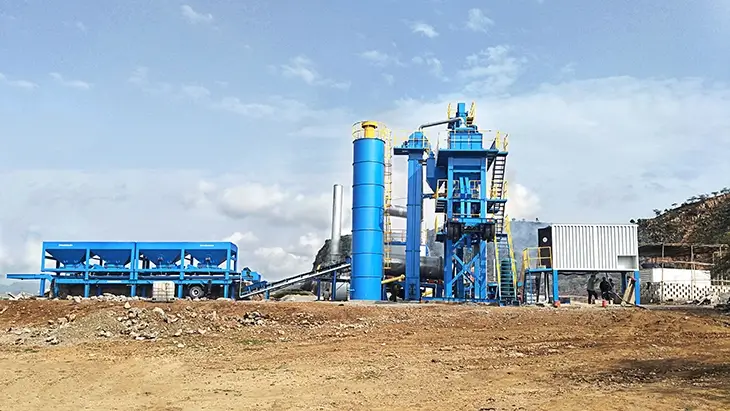
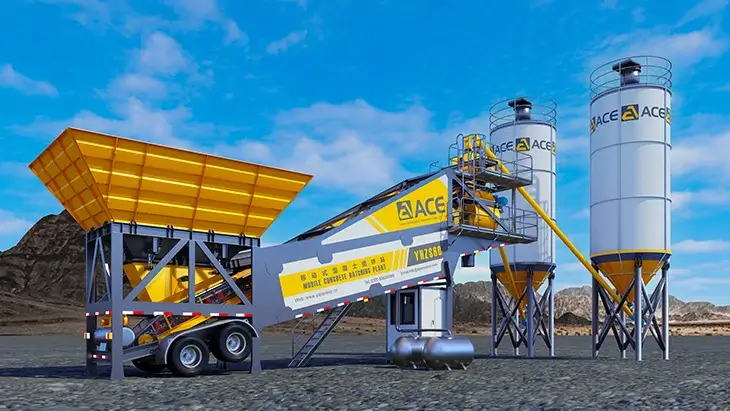
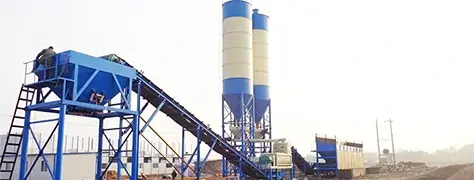
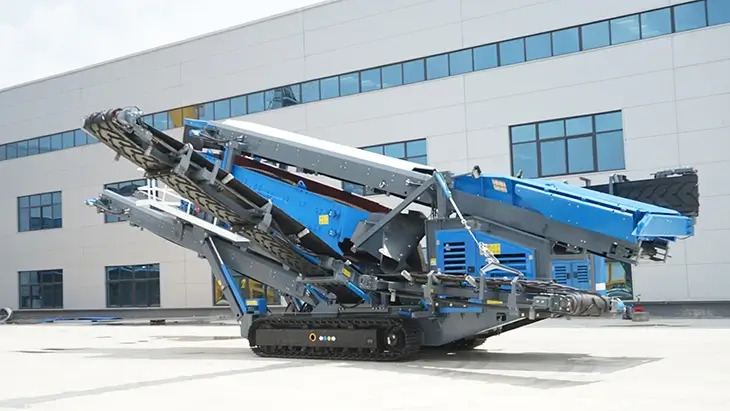
Dry mix mortar (also known as pre-blended dry mortar) is an engineered mixture of precisely proportioned cement, high-quality sand, and functional additives, manufactured under rigorous factory conditions. According to international standards such as ASTM C1714 and EN 998, dry mix mortar is thoroughly blended in a dry state and requires only the addition of water at the job site. This industrial approach eliminates the inconsistencies of traditional on-site mixing, ensuring superior bond strength, workability, and durability for modern construction.
CONTENTS
Classification of Dry Mix Mortar

Dry mix mortar can be divided into various types based on purposes and performance characteristics. Here are some common types and their performance characteristics:
| Type | Performance Characteristics | Applicable Scenarios |
|---|---|---|
| Masonry mortar | Strong adhesion and good fluidity. | Masonry works like brick wall and block wall. |
| Refractory mortar | Excellent high temperature resistance and crack resistance. | High temperature environment like furnaces and chimneys. |
| Plastering mortar | Smooth and fine, easy to level. | Plastering works like indoor walls and ceilings. |
Different types of dry mortar meet the needs of different construction scenarios, and improve construction efficiency and quality.
Dry Mix Mortar VS Traditional Site-Mixed Mortar
Compared to traditional job-site mixing, industrial dry mix mortar offers a significant leap in efficiency and environmental protection.
| Feature | Dry Mix Mortar (Industrial) | Traditional Site-Mixed Mortar |
|---|---|---|
| Quality Control | Precise factory metering; consistent performance. | Manual estimation; high variability and human error. |
| Construction Speed | Ready-to-use with water; 3-4x faster. | Time-consuming raw material preparation. |
| Waste Reduction | Minimal material waste and lower site dust. | Significant spillage and disposal of sand/cement. |
| Storage | Longer shelf life; easy to transport. | Longer shelf life; easy to transport. |
How Dry Mix Mortar Is Produced
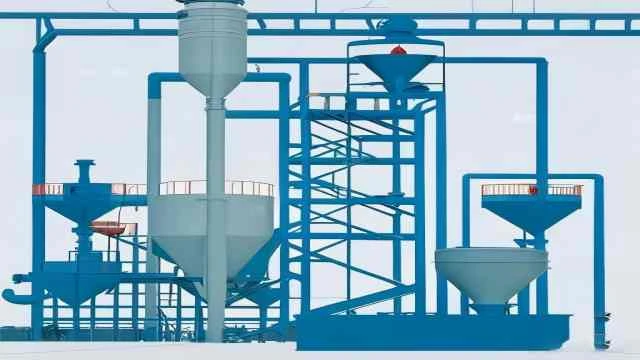
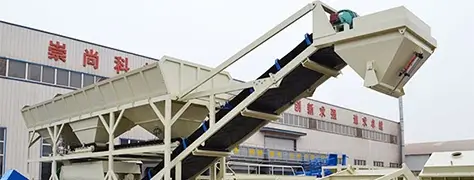
The production of high-grade dry mortar is an industrial science that relies on a high-performance dry mortar production line. To achieve the "factory-precise" standard, the manufacturing plant must execute a seamless, automated process:
- Step 1: Raw Material Preparation – Sourcing and preparing high-quality cement, sand, and functional additives in verified proportions to ensure a consistent base.
- Step 2: Precision Batching & Metering – Utilizing advanced automated units to measure each ingredient with extreme accuracy, which serves as the foundation for material stability.
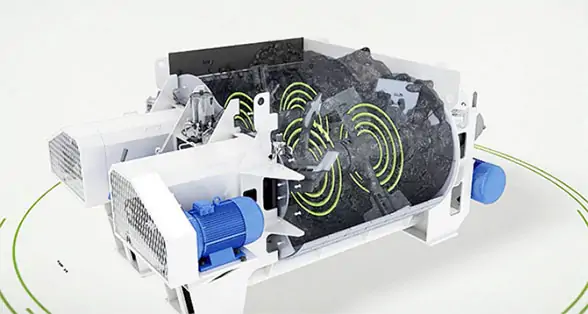
- Step 3: High-Homogeneity Mixing – Transferring the measured raw materials into a professional industrial mixer to be blended until a perfectly uniform consistency is achieved.
- Step 4: Automated Packaging & Storage – Packing the finished mixture into moisture-resistant bags for storage, ensuring long-term shelf life and efficient transportation.
Factors to Consider When Choosing Dry Mix Mortar Plant
Selecting the right production equipment is a strategic investment that directly impacts your ROI. Based on industry standards, consider the following factors:
- Performance & Quality: This is the core factor affecting the stability and bond strength of your final mortar products.
- Technical Configuration & Process: Advanced configurations significantly impact production efficiency and capacity.
- Energy Efficiency Grade: The equipment's energy grade determines long-term operational costs and environmental impact.
- Compatibility & Maintenance: A compatible production line facilitates integration with existing facilities, while reliable maintenance ensures proper functioning.
- After-Sales Service: Comprehensive training and technical support are essential for smooth daily operations.
ACE Group's Dry Mortar Plant Solutions
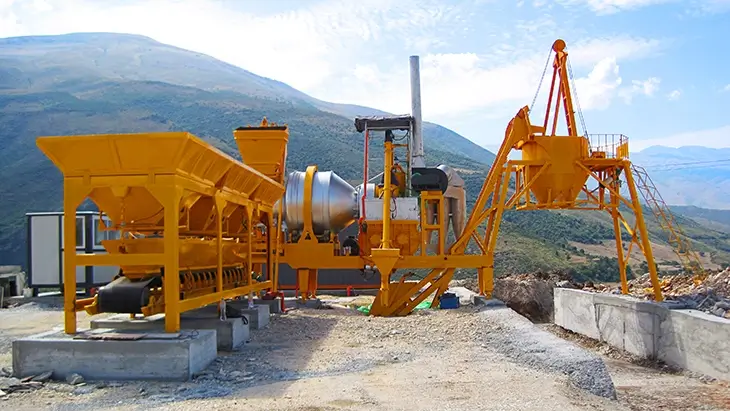
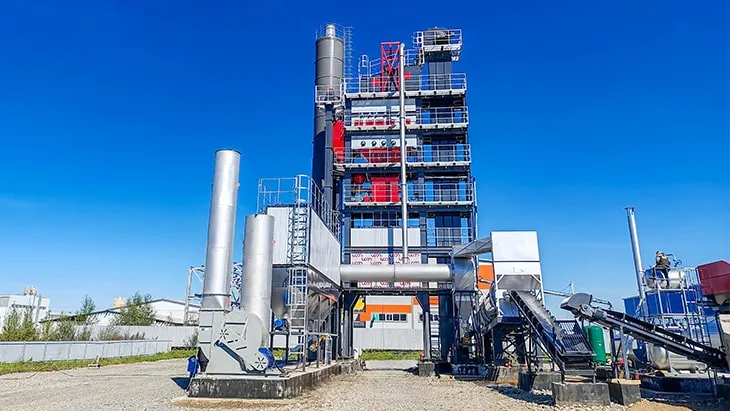
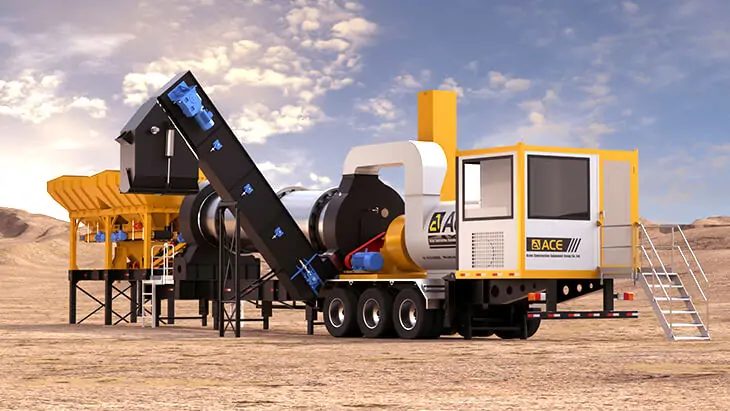
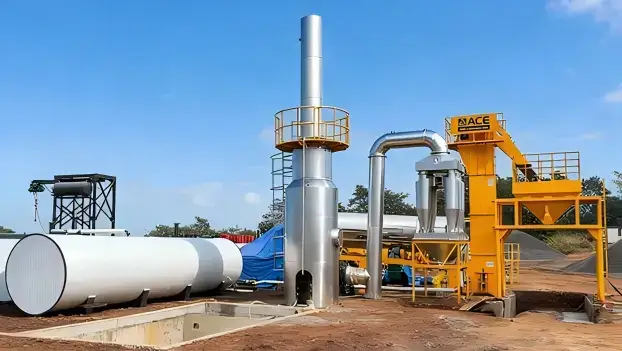
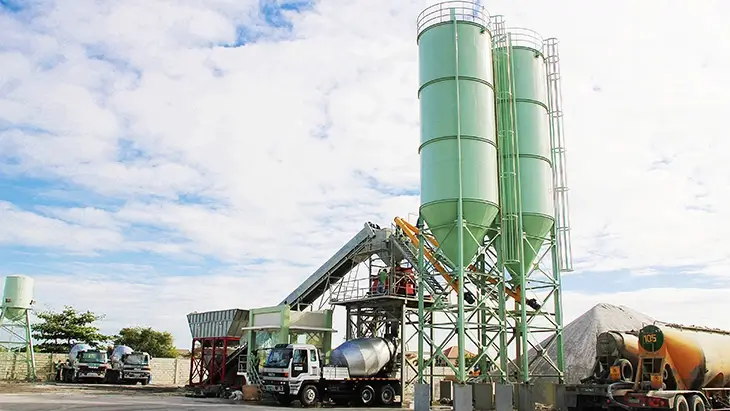
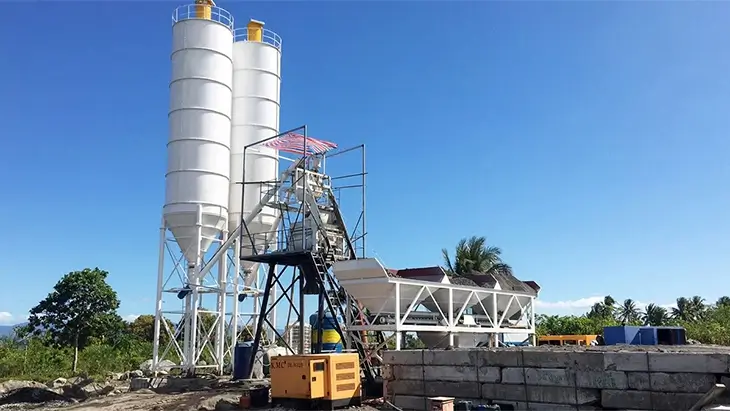
As a premier Chinese dry mortar plant manufacturer, Asian Construction Equipment Group (ACE) offers various structural designs to meet different market needs:
| Structure Type | Annual Production | Model | Standard Mixer | Theoretical Capacity |
|---|---|---|---|---|
| Tower Type | 200k - 400k+ Tons | HSTL Series | LDH Coulter Type | 40 - 80+ t/h |
| Stair Type | 200k - 400k+ Tons | HSJZ Series | LDH Coulter Type | 40 - 80+ t/h |
| Block Type | 200k - 400k Tons | HSLZ Series | LDH Coulter Type | 40 - 80 t/h |
| Flat Type | 200k - 400k Tons | HSZ Series | LDH Coulter Type | 40 - 80 t/h |
Note: Annual production is calculated based on ordinary mortar, 16 working hours per day, 300 days a year.
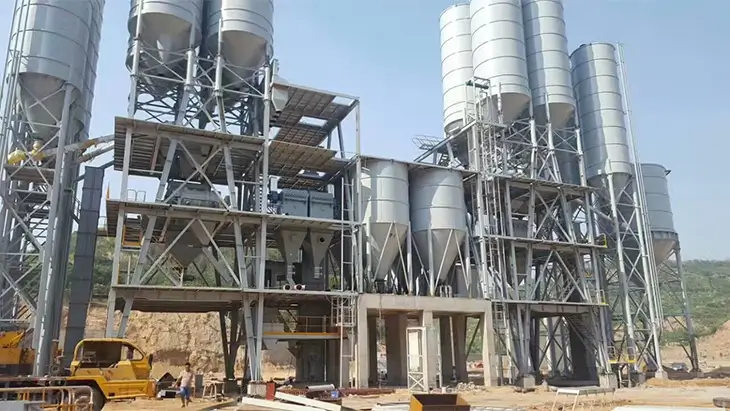
Model: HSTL40B ~ HSZ80B
Annual Production: 200k ~ 400k
Highlights: Customized design, multifunctional, produce all types of dry mix mortar; automatic operation, cost-effective, technical service and insulation available.
Strategic Advantages of ACE Configurations
Based on your project scale and investment goals, ACE provides four optimized structural solutions. Each configuration is engineered to maximize economic benefits and operational stability.
1. Tower Type: The Efficiency Leader for High-Volume Production
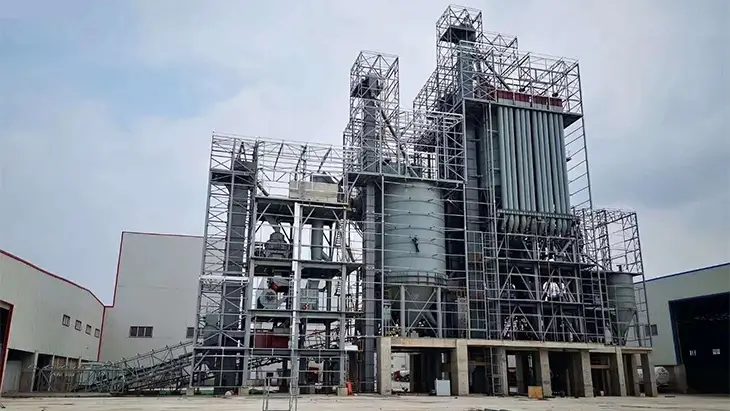
The Tower Type is the premium solution for large-scale industrial mortar supply. By vertically integrating silos, batching, and mixing units, the entire production process is gravity-powered.
Performance Advantage: This vertical flow eliminates the need for intermediate conveying equipment, significantly reducing mechanical wear and maintenance frequency.
Economic Benefit: It achieves the lowest energy consumption per ton in the industry, making it the most cost-effective choice for continuous, high-capacity urban supply centers.
2. Stair Type: The Flexibility Specialist for Diverse Product Lines
Designed for manufacturers who need to balance high-volume output with specialized mortar varieties, the Stair Type features a sophisticated multi-layer design.
Production Flexibility: This layout is capable of producing ordinary mortar and special mortar simultaneously on a single production footprint.
Strategic Value: It allows you to quickly adapt to market demands—shifting between standard masonry and high-value specialty products—without the need for multiple independent production lines.
3. Block Type: The Failure-Resistant Solution for Stable ROI
The Block Type focuses on reliability and simplified engineering. By utilizing an attached single-grade probability screen and an optimized material flow, it offers a robust alternative for challenging site conditions.
Technical Advantage: The simplified structure results in a lower failure rate and easier maintenance access for operators.
Cost Efficiency: It requires significantly less investment in civil foundations and steel structures, offering a faster path to profitability for projects with height or budget constraints.
4. Flat Type: The Rapid-Setup Choice for Core Production
As the most straightforward entry point for the dry mortar business, the Flat Type prioritizes production stability and ease of operation.
Operational Simplicity: By removing complex screening systems and utilizing a streamlined horizontal process, it ensures a consistent, high-stability output with minimal technical overhead.
Application: This model is ideal for projects requiring quick installation and reliable performance for standard mortar production.
Summary
Understanding the concept and advantages of dry mortar is essential, but the key to high-quality output lies in the selection of a reliable Dry Mortar Production Plant. By considering performance, efficiency, and manufacturer support, you can ensure a stable and profitable construction material business.