





Technically, bitumen emulsion is a heterogeneous, two-phase system where bitumen is dispersed as microscopic droplets within a continuous water phase, stabilized by a chemical surfactant known as an emulsifier. According to the International Bitumen Emulsion Federation (IBEF), this "Cold Technology" allows the binder to remain liquid and workable at ambient temperatures. By eliminating the need for extreme heating, it provides a more sustainable, energy-efficient (saving up to 50% energy), and safer alternative to traditional hot bitumen.
CONTENTS
Classification of Bitumen Emulsion
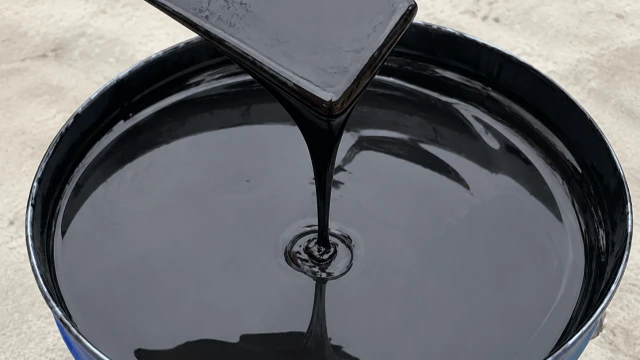
Following global technical standards such as ASTM D2397 (Cationic) and ASTM D977 (Anionic), emulsified asphalt is categorized by the ionic charge and setting speed to ensure engineering precision:
| Classification | Type and Code | Scope of Application |
|---|---|---|
| Cationic emulsified bitumen | PC-1 | Used for surface, penetration pavement and bottom seal coat |
| PC-2 | Used for prime coat oil or base course curing | |
| PC-3 | Used for tack coat | |
| BC-1 | Used for slurry seal course or cold mix asphalt mixture | |
| Anionic emulsified bitumen | PA-1 | Used for surface, penetration pavement and bottom seal coat |
| PA-2 | Used for prime coat oil or base course curing | |
| PA-3 | Used for tack coat | |
| BA-1 | Used for slurry seal coat or cold mix asphalt mixture | |
| Nonionic emulsified bitumen | PN-2 | Used for prime coat oil |
| BN-1 | Used together with cement stabilized aggregate (base road mixing or reclaimed) |
(P: spray type; B: mix type; C, A and N respectively represent cationic, anionic and nonionic emulsified asphalt.)
Strategic Application Fields
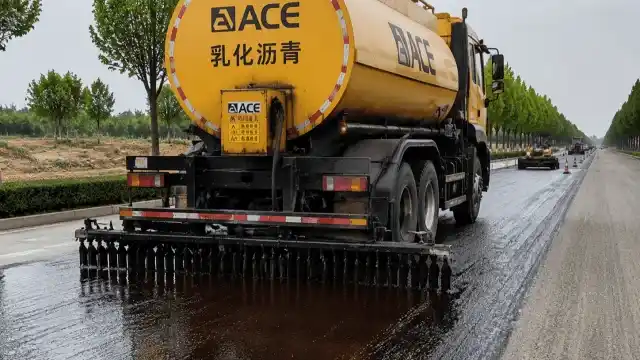
As highlighted by the World Road Association (PIARC), bituminous emulsion is a versatile binder utilized across diverse sectors for high-quality infrastructure and ecological safety:
| Scope of Application | Specific Scenarios |
|---|---|
| Road construction | Pave road surface layer, repair road cracks, and road maintenance, etc. |
| Building waterproofing | Roof waterproofing, basement waterproofing, tunnel waterproofing, etc. |
| Agricultural irrigation | Water conservancy projects, canal seepage control, etc. |
| Environmental protection | Soil stabilization, vegetation restoration, etc. |
| Metal corrosion | Automobile chassis anti-corrosion, metal parts anti-corrosion, other gold corrosion anti-corrosion cores |
Advantages of Bitumen Emulsion Compared To Conventional Bitumen
Compared to traditional hot-mix bitumen, emulsified bitumen offers significant operational and environmental benefits:
- Energy Efficiency: Eliminates high-temperature heating, saving approximately 50% in total energy consumption.
- Environmental Impact: Reduces VOC emissions by up to 90% (Source: Eurobitume), minimizing the project's carbon footprint.
- Superior Adhesion: Ensures uniform coverage and stronger molecular bonding with minerals at ambient temperatures.
- Operational Safety: Prevents fire hazards and burn risks, improving on-site safety standards.
Production Process of Bitumen Emulsion
The quality of asphalt emulsion is fundamentally determined by the precision of the production equipment. ACE Group's Bitumen Emulsion Plants (including the RH, GH, and GJM series) are engineered to optimize every stage of the process:
Step 1: Intelligent Preparation & Calibration
Before production, bitumen, water, and emulsifiers are prepared. ACE Group's equipment features an advanced PLC automation system that supports single-operator management. The system allows for comprehensive self-checks through a touch-screen interface, ensuring all sensors and motors are calibrated for optimal performance.
Step 2: Liquefaction & High-Shear Emulsification
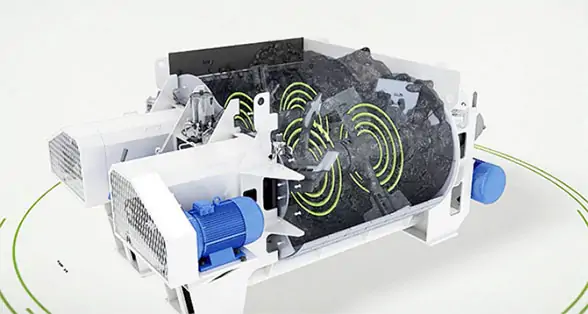
Bitumen is heated to a liquid state. The core of this stage is ACE Group's international-brand colloid mill, designed with adjustable stator-rotor clearance (minimum gap of 1μm). This allows the plant to mechanically shear bitumen into ultra-fine particles, ensuring that over 85% of the particles have a fineness of ≤5μm.
Step 3: Precision Dosage & Quality Control
The stability of the emulsion relies on precise pH levels and ratios. Our production lines utilize high-precision weighing and dosage systems driven by Variable Frequency Motors (VFD). This technology ensures the bitumen-to-water ratio is exact and the pH value (typically 2.0–5.0 for cationic types) remains stable throughout the cycle.
Step 4: Filtration & Containerized Storage
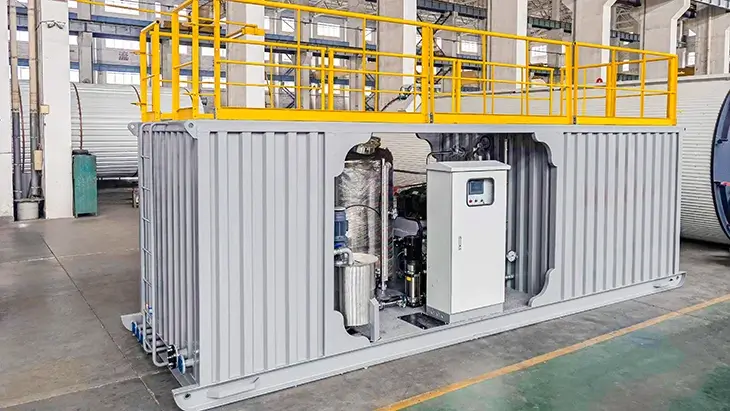
The final product is filtered to remove impurities and then loaded into specialized containers. ACE Group's plants feature an integrated containerized structure with corrosion-resistant pipes and valves, ensuring long-term durability and easy relocation via standard 40HQ containers.
Model: RH-6; GH-10; GJM-6~GJM-10
Capacity: 6t/h ~ 10t/h
Heating Method: Thermal Oil Heating/Electric Heating
Emulsion Fineness: ≤5μm, with a proportion of ≥85%
Bitumen Tank Capacity: 5m³ ~ 7m³
Water Tank Capacity: 5m³ ~ 7m³
Summary
Bitumen emulsion is widely used in five fields, namely road construction, waterproof, agricultural irrigation, environmental protection and metal corrosion protection. Featuring low-temperature fluidity, better adhesion, safety, energy-saving and environmental friendliness, it perfectly solves the complicated use process of conventional bitumen, greatly improves waterproof performance and road quality. Additionally, its diverse product types fully meet the application needs of diverse scenarios. Therefore, it will surely become a perfect substitute for conventional bitumen and play an important role in future construction and development.
FAQ
Q: What should I consider when choosing a bitumen emulsification plant?
A: Given the wide variety of asphalt emulsion products and the differences in their manufacturing processes, it is recommended that contractors carefully evaluate their own production requirements when selecting an emulsified bitumen plant. And choose products from reputable manufacturers to ensure quality and access to comprehensive after-sales support.
Q: How can I ensure the stability and consistent quality of bitumen emulsion in large-scale road projects?
A: Consistency is the biggest challenge for contractors. ACE Group's plants feature high-precision weighing and dosage systems driven by variable frequency motors (VFD). This technology ensures real-time, precise control over the bitumen-to-water ratio, ensuring that every batch meets the strict requirements of ASTM standards, even during continuous high-volume production.
Q: Maintenance is often a concern due to the corrosive nature of emulsifiers. How does ACE Group extend equipment life?
A: To solve the issue of chemical corrosion, ACE Group utilizes specialized corrosion-resistant materials for all critical components, including pipes, valves, and tanks. Our integrated, containerized design further protects the core machinery from environmental wear, significantly reducing maintenance frequency and extending the equipment's service life compared to traditional setups.