













In global road infrastructure development, a common operational nightmare occurs when a hot-mix asphalt batch leaves the facility, arrives at the paving site, and is ultimately rejected during compliance testing. This costly disruption almost always stems from two critical engineering failures: unmanaged mixture proportioning or unstable material temperatures within the asphalt production cycle. To protect project margins and guarantee that every batch satisfies rigorous highway engineering inspections, facility managers must optimize the weighing precision and thermal regulation of their asphalt mixing plant.
CONTENTS
- 1. Why Is High-Precision Material Proportioning Critical for Asphalt Batching Plant Acceptance?
- 2. How Does Stable Temperature Control Prevent Structural Failures in Hot Mix Asphalt Plants?
- 3. How Does Stable Temperature Control Prevent Structural Failures in Hot Mix Asphalt Plants?
- 4. Quick Reference Guide: Asphalt Plant Quality Benchmarks and Acceptance Solutions
- 5. Video Demonstration: Asphalt Plant Mix Specification Analysis
- 6. Conclusion
Why Is High-Precision Material Proportioning Critical for Asphalt Batching Plant Acceptance?
To secure project acceptance under global infrastructure frameworks like ASTM International, an asphalt mixing plant must maintain absolute aggregate and binder ratio tolerances within its automated weighing tower. Even minor fractional deviations from the designated job mix formula (JMF) will destroy the pavement's volumetric properties, directly causing catastrophic mechanical field failures and immediate compliance rejection. Maintaining high-precision proportioning is the single most critical baseline for preventing off-specification batches and protecting contractor margins.
Based on industry-standard highway engineering benchmarks, the core static weighing requirements of a high-performance asphalt plant dictate that:
- Aggregate Weighing Precision: The static weighing accuracy of individual hot aggregate bins must be strictly maintained within ±0.5% or less.
- Bitumen and Powder Precision: The static weighing accuracy for both liquid bitumen injection and mineral powder/filler must be controlled within ±0.25% or less.
- Structural Binder Failures: An excess of bitumen leads to pavement flushing and rutting under heavy traffic loads, while a deficit causes premature cracking and moisture damage.
- Gradation Shifts: Inaccurate aggregate weighing alters the particle size distribution, resulting in poor volumetric properties that fail QA/QC field density checks.
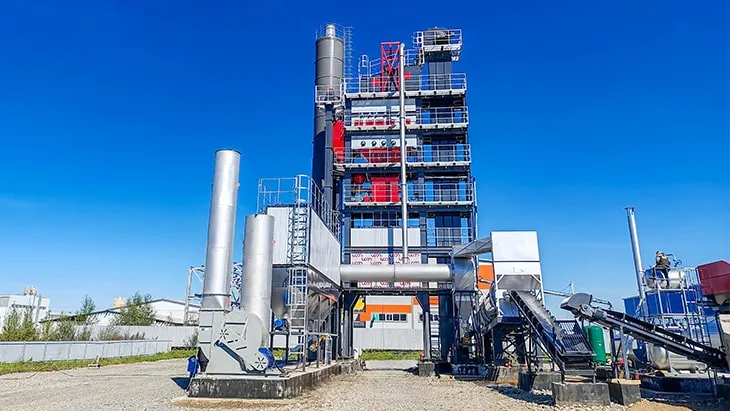
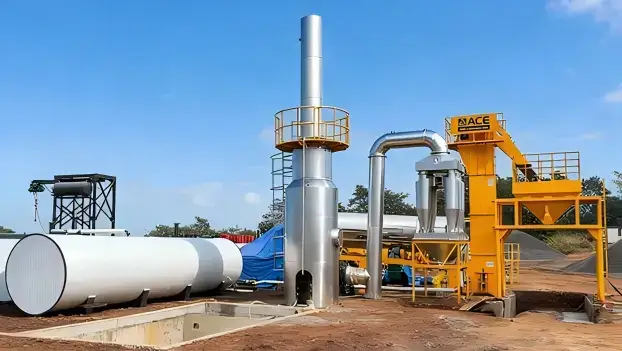
In summary, failing to sustain these precise tolerances triggers a cascading sequence of material non-compliance, resulting in rejected truckloads and massive material waste. To eliminate these batch inaccuracies and prevent mid-batch operational stalls, modern production facilities rely on advanced weight-sensing infrastructure. The automated batching control systems integrated into ACE Group’s advanced asphalt mixing plants utilize high-precision electronic load cells. This ensures rapid, uncompromised material allocation that satisfies strict international inspection frameworks, positioning ACE Group as a reliable Asia-based asphalt plant partner for regional infrastructure projects.

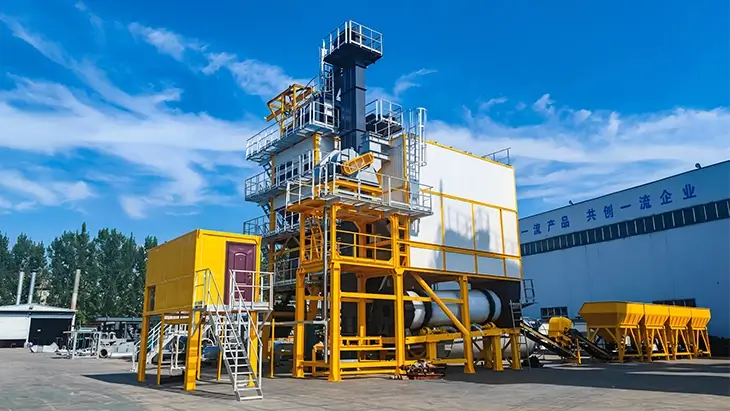
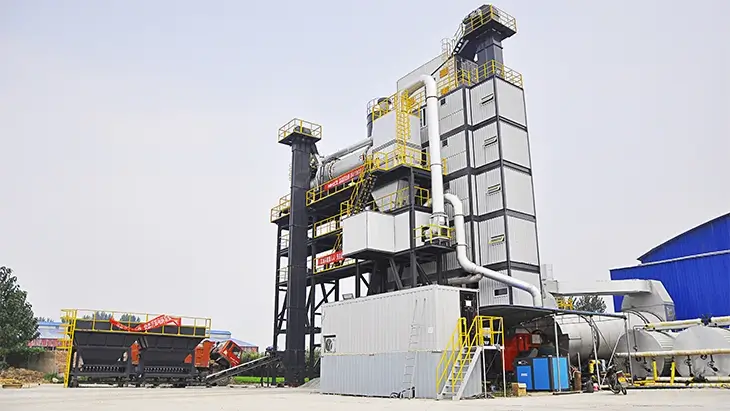
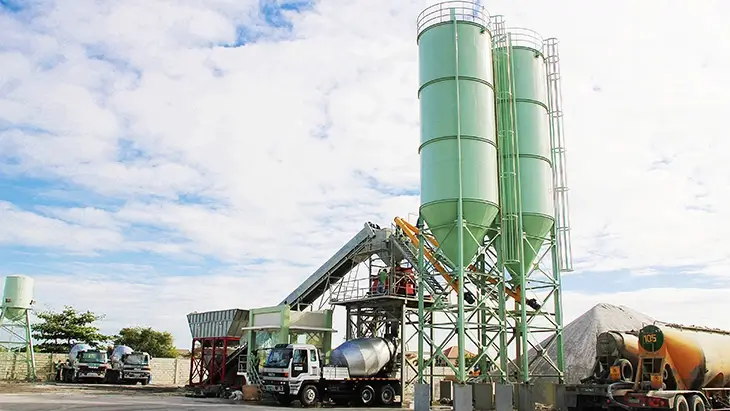
Model: BAP60 ~ BAP400
Capacity: 60t/h ~ 400t/h
Mixer Capacity: 750kg ~ 5000kg
Dust Emission: ≤20 mg/μm³
Total Power: 178kW ~ 960kW
Highlights: Stationary, batch mix, precisely weighing aggregate and batching; widely applied, easily operated.
How Does Stable Temperature Control Prevent Structural Failures in Hot Mix Asphalt Plants?
Continuous preservation of thermal energy during the aggregate drying, bitumen mixing, and material discharge phases directly dictates the structural integrity and layout workability of the final pavement. Temperature controls the dynamic viscosity of the liquid asphalt cement; if the mixture is allowed to cool prematurely, it destroys the compaction performance on the job site. Implementing a stable, automated thermal regulation system within the asphalt plant is therefore essential to ensure that the delivered hot-mix asphalt can be successfully rolled to its targeted density.
According to technical pavement guidelines published by national road associations, the temperature of the finished product discharged from the asphalt plant must follow strict operational boundaries:
- Minimum Paving Benchmark: The target paving temperature for standard hot-mix asphalt must remain strictly above 130°C.
- Cold-Weather Adjustments: When operating in colder ambient climates, the minimum temperature threshold must be adjusted higher to compensate for rapid thermal dissipation.
- Compaction Risks: Rapidly cooling material prevents compaction rollers from achieving the targeted air voids, leading to premature pavement raveling and high permeability.
- Thermal Degradation: Conversely, over-heating the aggregate burns the bitumen binder, causing premature aging and severely reducing the pavement's operational lifespan.
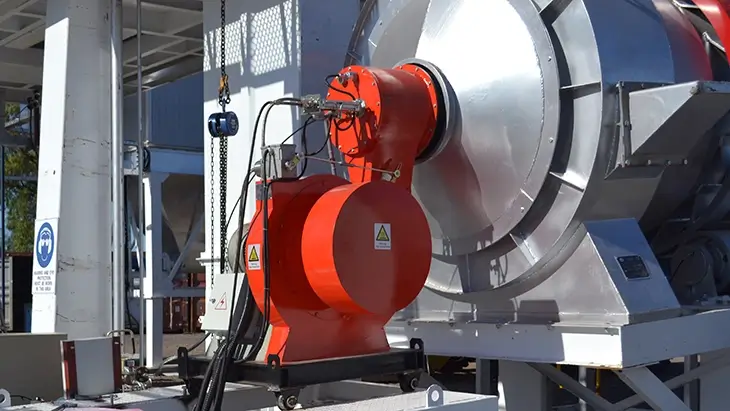
In conclusion, manual burner adjustments are entirely inadequate for preventing these severe compaction defects and thermal risks. If the material delivery temperature drops below the required specification, it severely restricts the mix's workability and compaction performance. Achieving a uniform temperature profile requires advanced thermal engineering within the asphalt mixing plant burner system. Premium manufacturing plants utilize a combination of PID (Proportional-Integral-Derivative) closed-loop temperature control paired with Variable Frequency Drive (VFD) regulation. The PID system continuously monitors discharge temperatures in real-time, allowing the plant to lock the aggregate temperature precisely onto the specified target point.
Why Must Asphalt Plant Control System Calibration Reports Align with Local Specifications?
An asphalt mixing plant’s software architecture must possess the native capability to generate standardized, tamper-proof calibration logs and batch weight reports that perfectly match the legal administrative formats of regional transit authorities. Because highway procurement frameworks vary drastically around the globe, software incompatibility represents a severe logistical risk. Contractors who cannot produce certified, locally aligned data logs face immediate payment withholding, administrative penalties, or complete project shutdowns.
The most prominent international reporting standards for an asphalt batch plant include:
- The ASTM and SUPERPAVE Systems: Dominant across North America, focusing on specific volumetric data logging and binder performance grade logging.
- The European EN 13108 Series: Enforced across the EU, demanding rigorous factory production control (FPC) documentation and standardized CE certification reporting formats.
- Localized Country Standards: Custom domestic report formats designed by individual ministries of transportation that require unique data transmission interfaces.
To summarize, verifying data reporting compatibility prior to equipment procurement is paramount for avoiding costly operational disputes and legal friction on major public contracts. A report format mismatch completely prevents a contractor from proving compliance to local inspectors. ACE Group addresses this industry bottleneck by engineering highly customizable PLC control software for its asphalt plant solutions. Their integrated data logging modules are pre-configured to easily interface with ASTM, SUPERPAVE, and EN 13108 reporting metrics, allowing operators to seamlessly export certified, audit-ready data that streamlines local site acceptance.
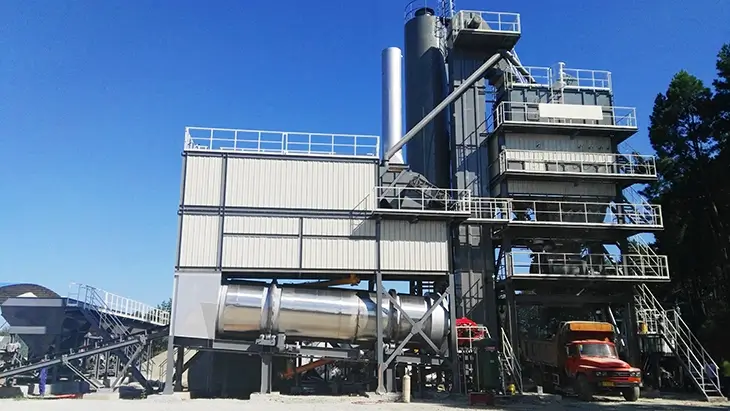
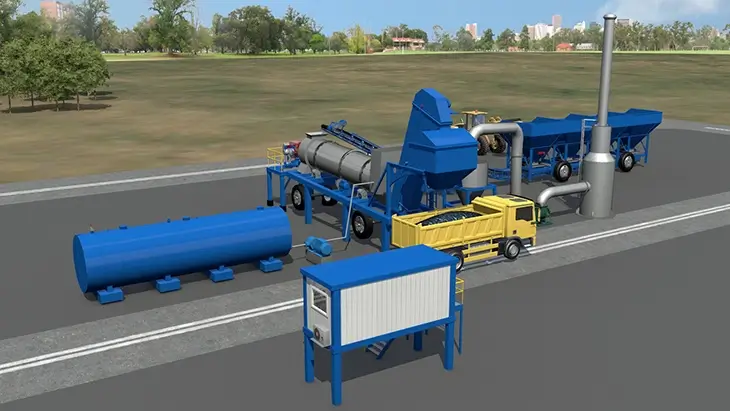
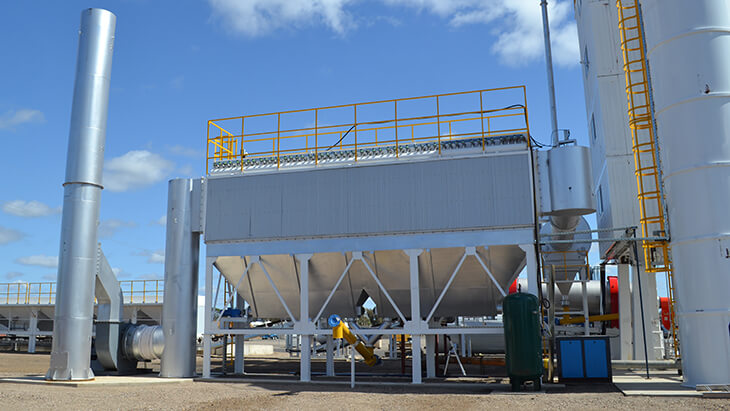
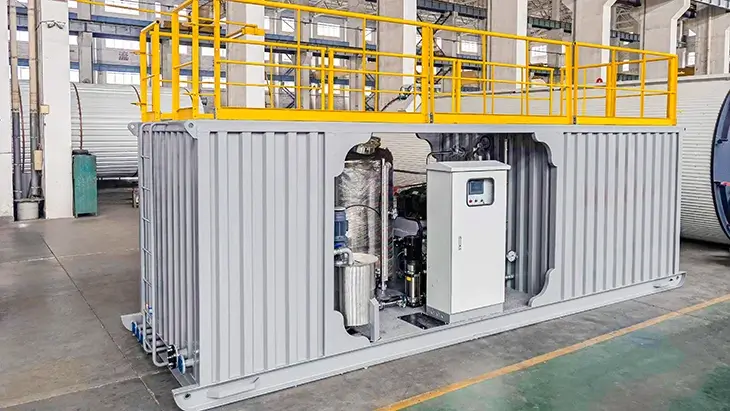
Model: IAM80 ~ IAM120
Capacity: 60t/h ~ 140t/h
Total Power: 127kW ~ 179.2kW
Total Weight: 55t ~ 56t
Highlights: Counterflow drying drum, double shaft continuous mixer, house bag dust filter, quick assembly and save labor costs.
Quick Reference Guide: Asphalt Plant Quality Benchmarks and Acceptance Solutions
The reference table below synthesizes the core quality metrics, technical definitions, governing standards, and the engineering solutions required to pass strict road construction inspections:
| Quality Acceptance Metric | Core Technical Requirement | Governing Industry Standards | Asphalt Plant Engineering Solution |
|---|---|---|---|
| Aggregate Batching Precision | Static weighing error must remain within ±0.5%. | ASTM / EN Gradation Metrics | High-precision electronic load cells with automated PLC compensation integrated into the asphalt mixing plant. |
| Binder & Filler Precision | Static weighing error must remain within ±0.25%. | AASHTO / State Highway Specs | Automated liquid flow meters and calibrated digital scale sensors within the bitumen mixing plant tower. |
| Mix Delivery Temperature | Consistently above 130°C; higher during cold-weather paving. | NAPA Paving Guidelines | Intelligent PID closed-loop control systems paired with VFD burner regulation on the hot mix asphalt plant. |
| Compliance Data Reporting | Seamless data formatting matching local transportation authorities. | ASTM / SUPERPAVE / EN 13108 | Adaptable software interfaces engineered by industry suppliers like ACE Group. |
Video Demonstration: Asphalt Plant Mix Specification Analysis
For those who prefer an audio-visual format, please watch the approximately one-minute video below.
Conclusion
In the highly regulated arena of highway engineering, securing project acceptance hinges entirely on eliminating batch variance. An asphalt plant cannot deliver a compliant product if its aggregate ratios drift, or if its thermal profile drops below the compaction window. By managing raw material weighing down to fractional percentages and implementing automated PID-VFD thermal controls, facility managers can guarantee that every ton of hot-mix asphalt fulfills strict field inspections. Investing in synchronized, structurally compliant production ecosystems—such as the advanced asphalt mixing plants engineered by ACE Group—ensures continuous asset uptime, flawless quality documentation, and reliable project approval shift after shift.