


In road construction across the world, the performance of your asphalt mixing plant directly determines how fast your projects move and how long the roads will last. Plant operators often face two major challenges: inconsistent mix quality and unstable daily production output. This practical guide explains the common causes — such as aggregate contamination, temperature problems, and feed supply issues — and provides clear engineering solutions to help you maintain steady production and improve your project profits.
CONTENTS
What Causes Poor Mix Quality in Asphalt Batching Plants?
Producing good Hot Mix Asphalt (HMA) or Stone Matrix Asphalt (SMA) requires strict adherence to mix design specifications, such as the international AASHTO M 323 standards. According to benchmarks from the National Asphalt Pavement Association (NAPA), even minor deviations in volumetric properties can lead to premature pavement failures like rutting or moisture damage.
Here are the four main causes of poor mix quality:
Screening System Issues and Aggregate Contamination
The vibrating screen separates hot aggregates into different bins. If the screen mesh is damaged or the wrong size is used, aggregates mix together (carry-over). This changes the gradation and directly affects your mix quality and output.
Metering and Weighing System Errors
Accurate weighing is critical. When load cells get old or material builds up on the weigh hoppers, the proportion of bitumen, aggregates, and filler becomes incorrect, leading to inconsistent mix quality.
Insufficient Mixing Time and Mechanical Wear
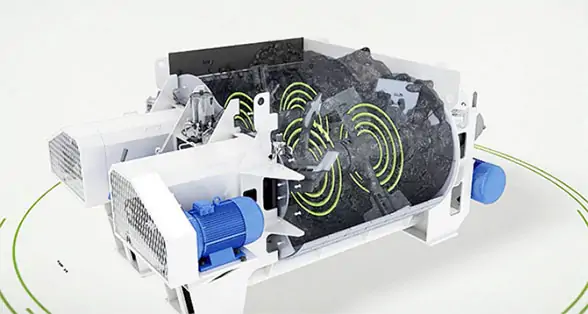
If the mixing cycle in the twin-shaft paddle mixer is too short, or if the mixing blades and liners are severely worn out, the batch cannot achieve homogeneity. This leads to a patchy, uneven mix, or causes the bitumen to clump together instead of coating the aggregate evenly.
Thermal Deviations and Incorrect Heating Temperatures
Both the aggregates coming from the dryer drum and the liquid bitumen must be at the correct temperature (usually 150°C–170°C for standard mixes). Overheating makes the bitumen age quickly, while underheating causes poor coating and compaction problems on site.
The Recommended Engineering Solution
Regularly calibrate the weighing system, inspect and maintain the screen meshes, check equipment routinely, monitor the finished mix quality, and replace worn parts on time. Following these steps will greatly stabilize your mix quality.
Summary Matrix: Quality Failures and Maintenance Actions
| Quality Failure Mode | Primary Root Cause | Technical Solution / Standard Action |
|---|---|---|
| Gradation Deviation / Segregation | Damaged screen mesh; wrong screen size selection | Strengthen screen mesh maintenance; replace worn screens immediately. |
| Bitumen Content Fluctuation | Load cell aging; material buildup on weigh-hoppers | Regularly calibrate the metering system; clean weigh sensors weekly. |
| Bitumen Clumping / Uneven Coating | Worn mixing blades; insufficient batch mixing time | Carry out routine equipment inspections; replace worn-out components on schedule. |
| Brittle Mix or Paving Compaction Issues | Aggregate overheating or underheating | Monitor real-time burner controls; monitor changes in finished mix quality. |
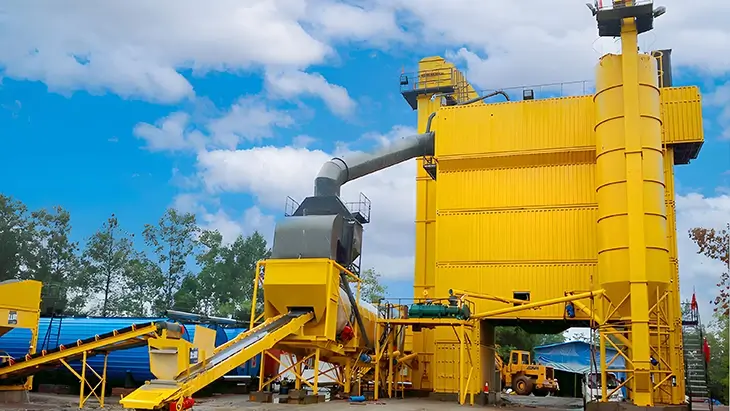
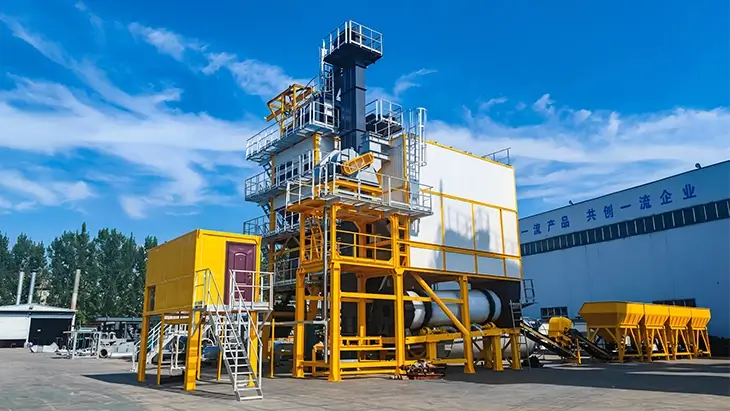
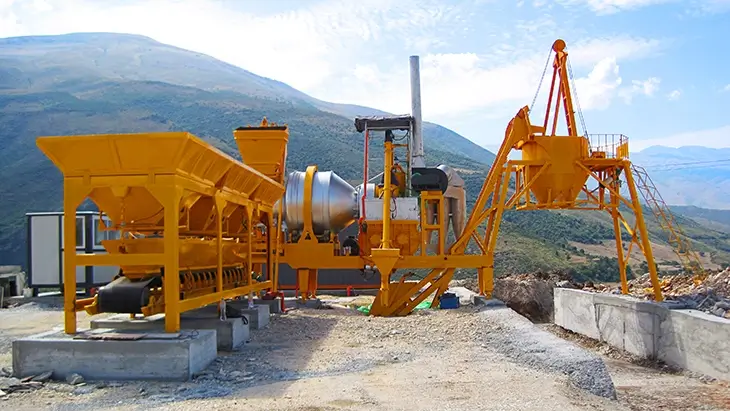
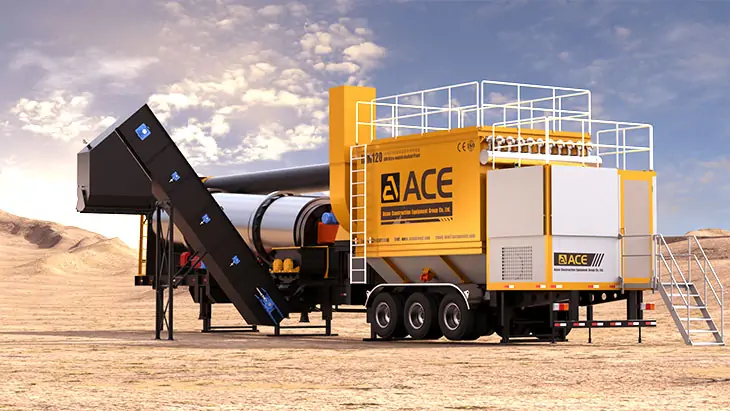
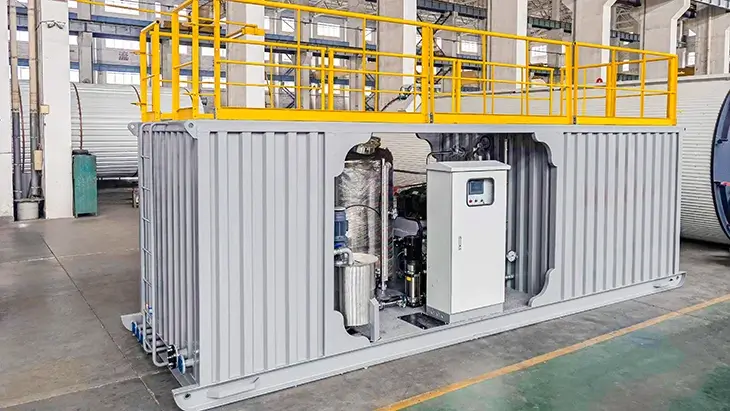
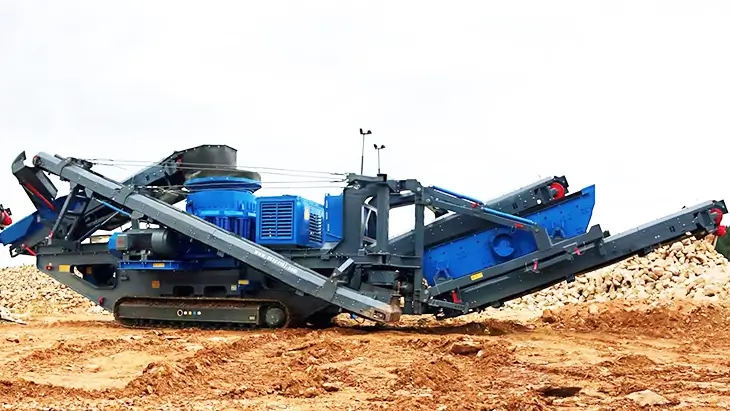
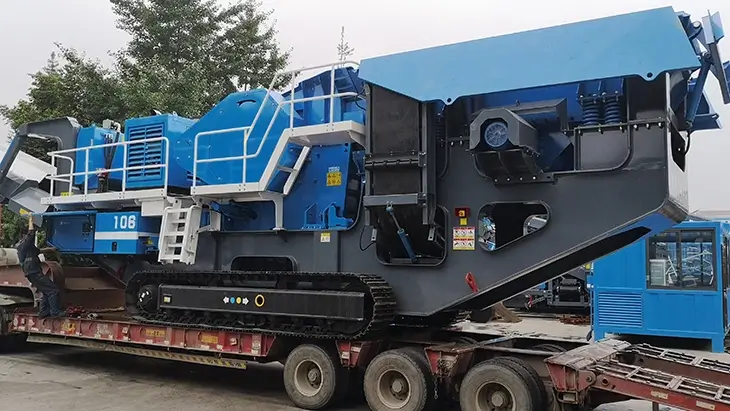
Model: CFB80 ~ CFB400
Capacity: CFB80 ~ CFB400
Total Power: 245kW ~ 810kW
Cold Aggregate Feeders: 4*8m³ ~ 6*18m³
Drying Drum: 6000 x 1500mm ~ 11000 x 2700mm
Highlights: Containerized, easy transportation; Foundation-free, quick installation; Accurate weighing, batch mix, high re-sale value.
How to Overcome Unstable Output and Production Fluctuations in Asphalt Plants?
Unstable production output in an asphalt mixing plant disrupts construction schedules and increases fuel consumption per ton of asphalt produced. In most cases, output drops are often caused by raw material supply fluctuations and imbalances between cold and hot feeding systems.
Key Factors Causing Unstable Asphalt Plant Output:
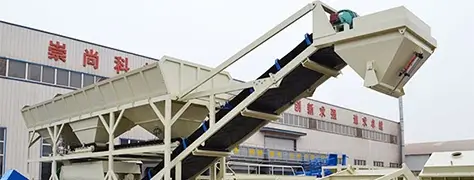
- Poor Control of Coarse Aggregates: Inaccurate calibration or wrong settings in the cold feed bins cause irregular material flow.
- Mismatch Between Cold Feed and Hot Bin Demand: When the cold feed cannot supply the right amount of each aggregate size, the plant keeps stopping or runs with low capacity.
- Inconsistent Aggregate Moisture: Wet aggregates force the dryer drum to work slower to remove water, which reduces overall plant output significantly.
- Interrupted Cold Feed Supply: Oversized stones, trash, or very wet sand can block the cold feed system and starve the plant of material.
Practical Engineering Solutions:
- Manage stockpiles properly — use covers, sheds, or well-drained concrete floors to keep aggregate moisture low and consistent.
- Use advanced closed-loop control systems that automatically adjust the cold feed according to real-time hot bin needs.
Simple Rule: Stabilize your material supply, ensure accurate metering, and respond quickly to changes. When you improve all three together, both quality and output will become much more stable.
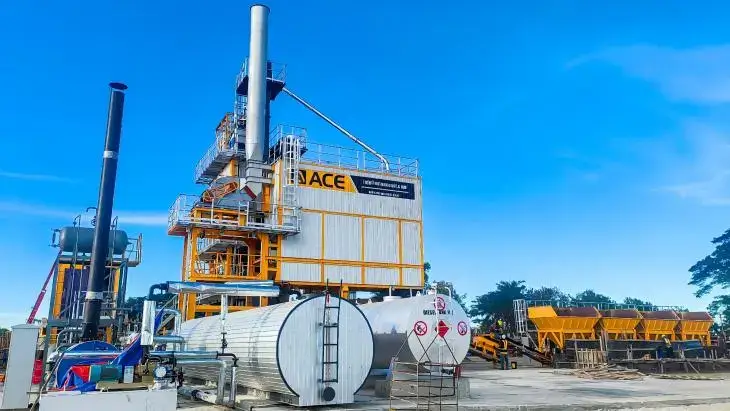
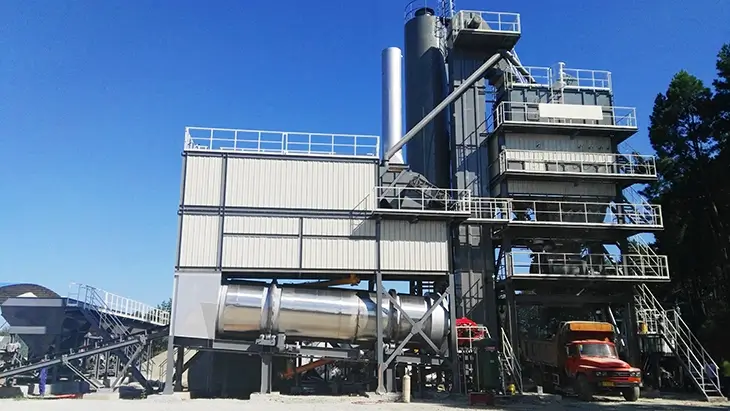
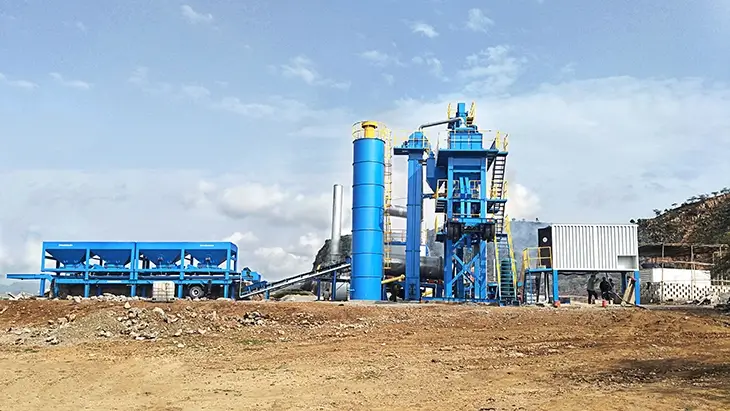
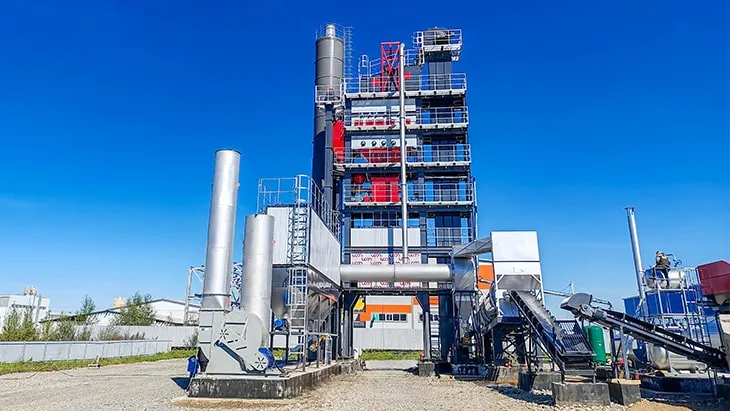
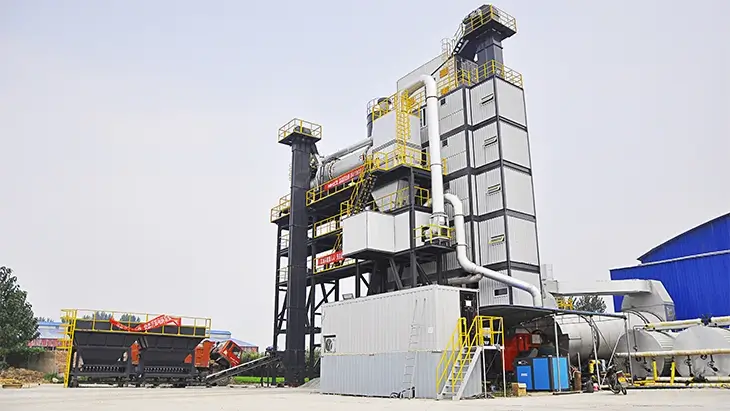
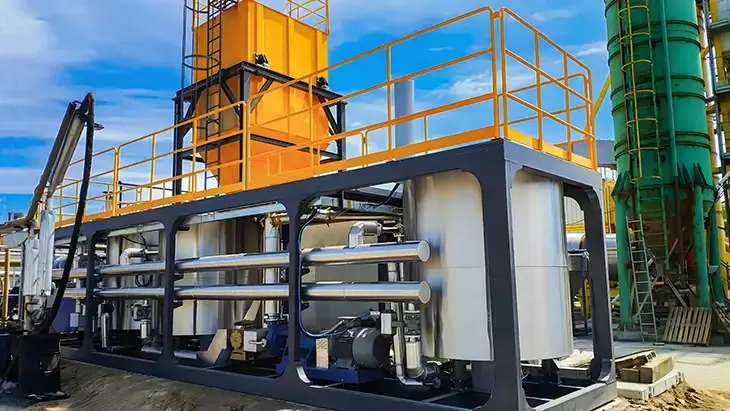
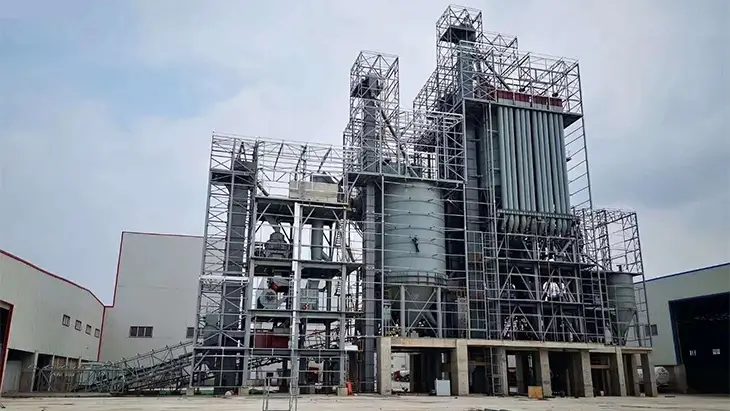
Model: BAP60 ~ BAP400
Capacity: 60t/h ~ 400t/h
Mixer Capacity: 750kg ~ 5000kg
Total Power: 178kW ~ 960kW
Dust Emission: ≤20 mg/μm³
Highlights: Stationary, batch mix, precisely weighing aggregate and batching; widely applied, easily operated
Spoken Summary: 1.5-Minute Troubleshooting Guide for Operators
If you prefer an audio-visual breakdown of these technical points, watch our brief summary video below. It covers the core causes of output fluctuations and the essential maintenance steps mentioned in this guide.
Summary
Stabilizing your asphalt plant performance needs a complete approach that covers both mix quality and production output. Keep aggregate moisture under control at the stockpile and monitor temperatures closely. At the same time, maintain your screens properly to prevent contamination and regularly calibrate the weighing system to avoid binder fluctuations.
When you combine stable material supply, precise weighing, and fast system response, your plant will produce consistent, high-quality Hot Mix Asphalt with fewer breakdowns and higher daily output.