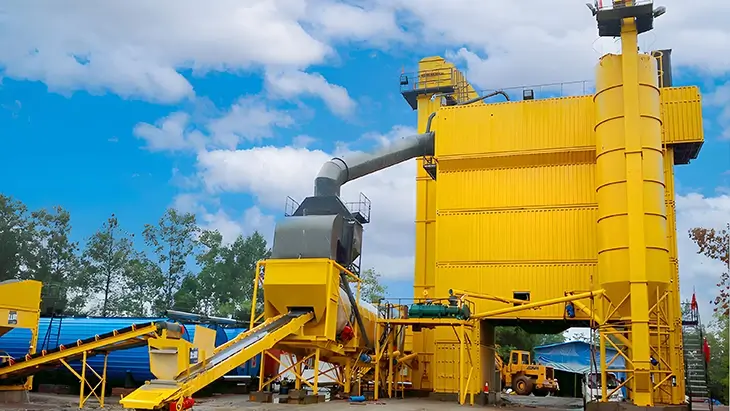
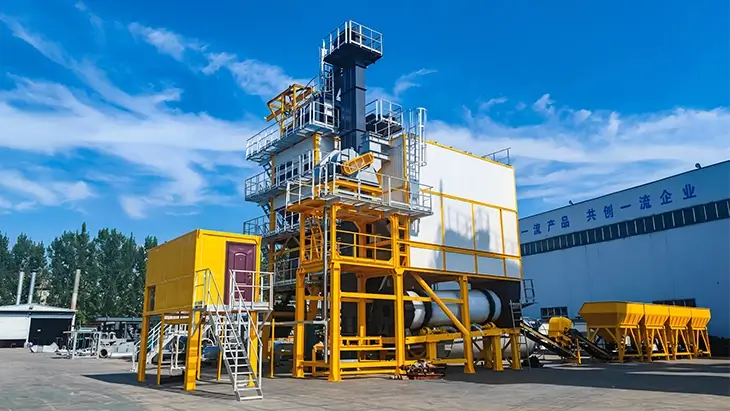
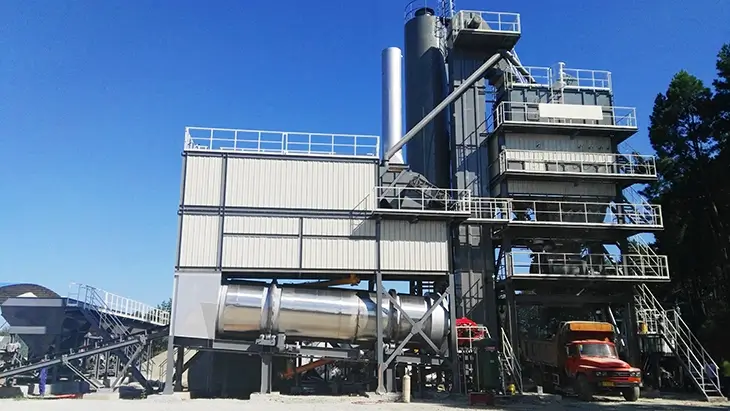
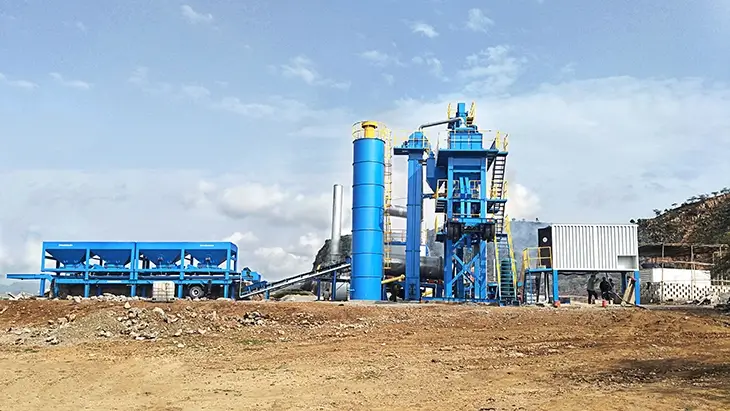
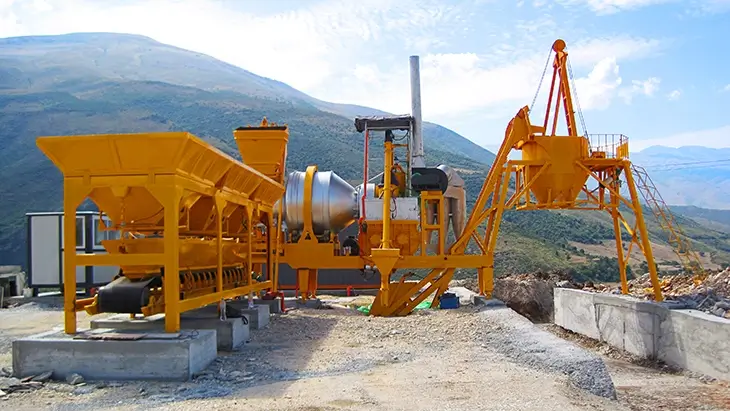
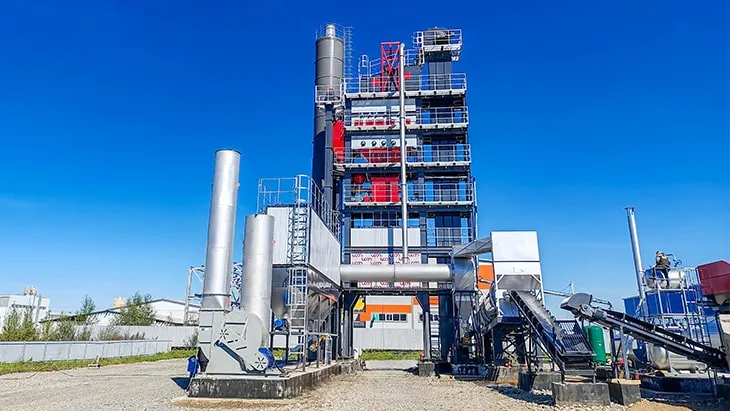
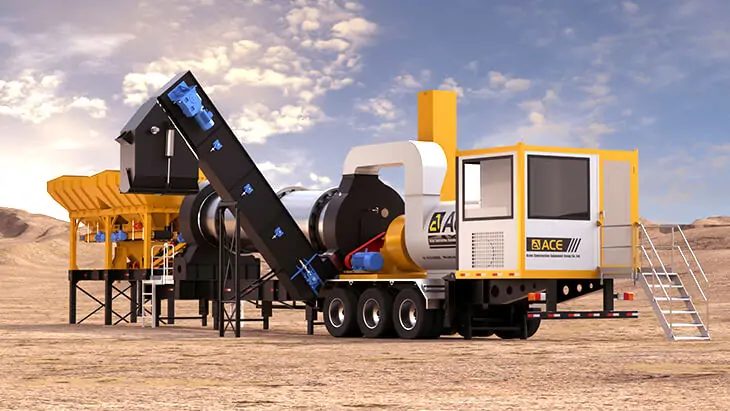
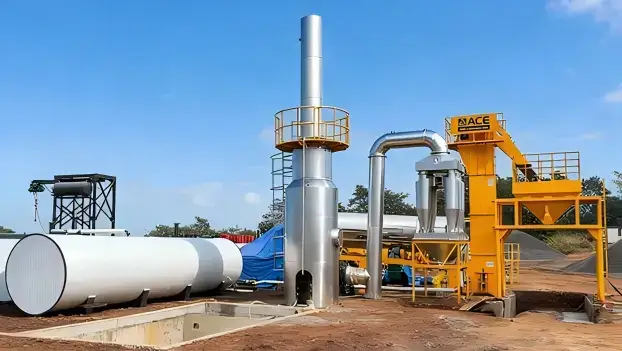
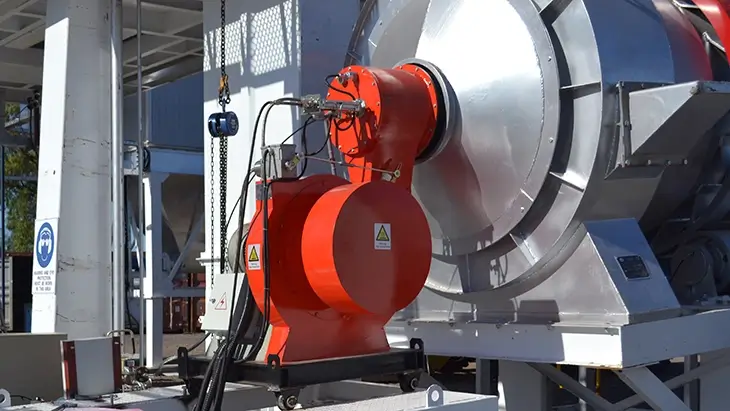
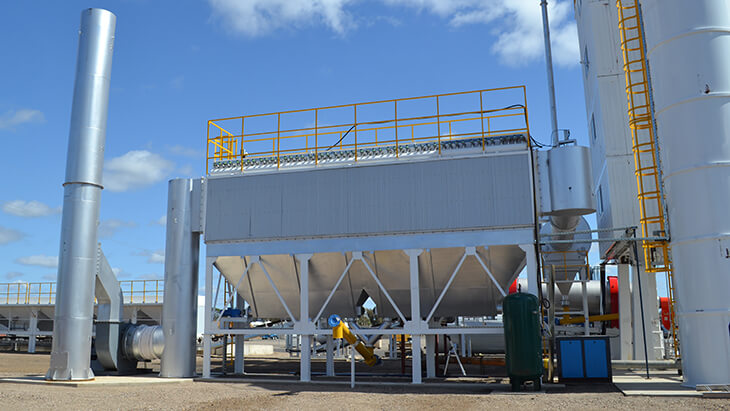
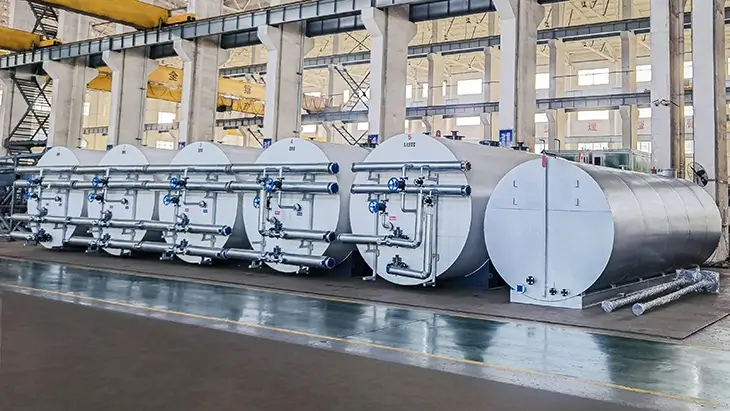
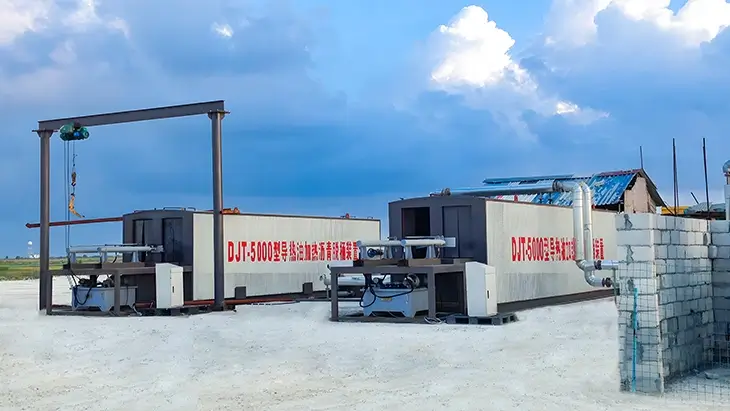
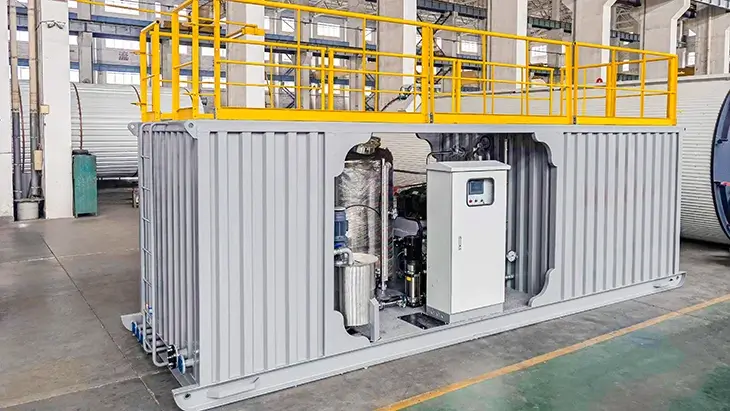
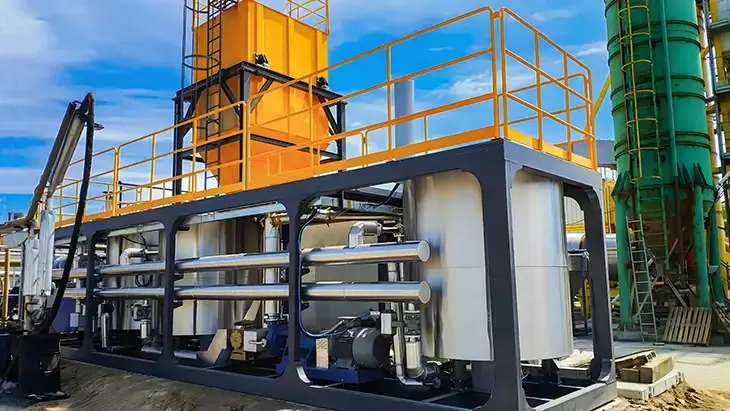
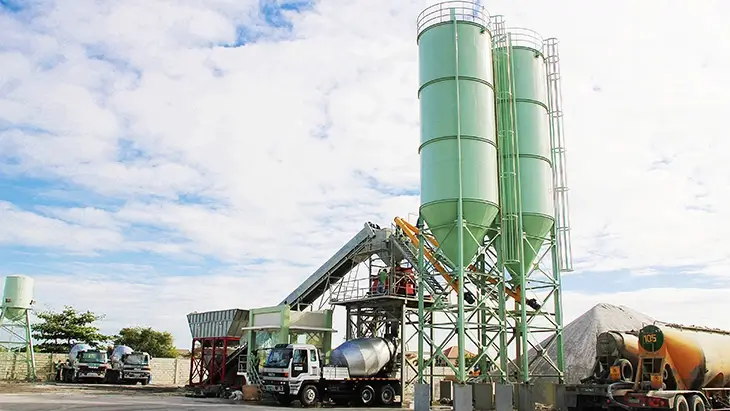
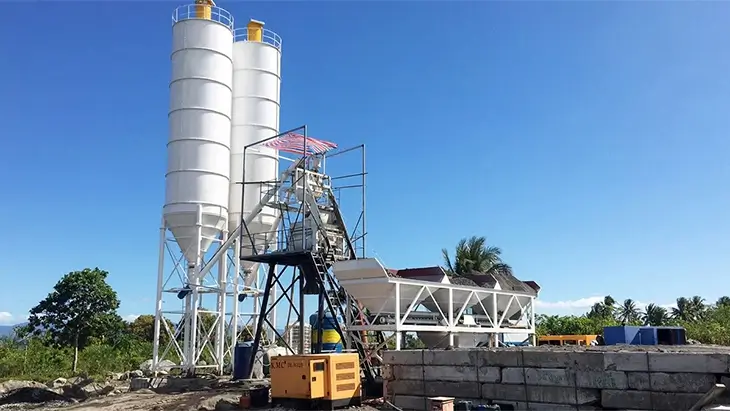

When it comes to asphalt mixing plant performance, the groundwork is everything. Smooth operation and low failure rates start fundamentally with proper site planning, leveling, and hardening. In heavy infrastructure engineering, optimizing the installation footprint is a vital prerequisite for securing continuous hot-mix asphalt (HMA) production. To eliminate costly structural errors and maximize long-term manufacturing efficiency, project managers must carefully execute the foundation preparation from day one.
CONTENTS
- 1. Why Is Rational Layout and Segregation Planning Essential for Asphalt Mixing Plant Sites?
- 2. How to Achieve High-Standard Ground Leveling for Asphalt Mixing Plant Foundations?
- 3. What Are the Drainage Slope Standards Required for Asphalt Mixing Plant Sites?
- 4. Why Choose C25 Reinforced Concrete Hardening for Asphalt Mixing Plant Core Areas?
- 5. Quick Reference Guide for Asphalt Mixing Plant Site Preparation
- 6. Asphalt Plant Site Preparation Video Guide
- 7. Conclusion
Why Is Rational Layout and Segregation Planning Essential for Asphalt Mixing Plant Sites?
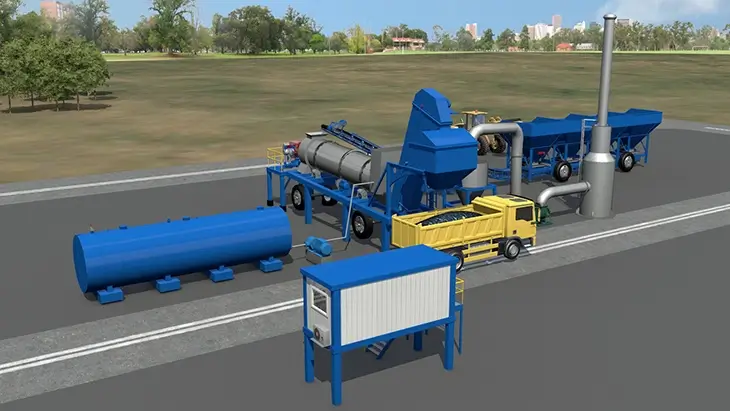
In industrial facility engineering, a rational site layout is defined as the strategic allocation of spatial zones within a production facility to maximize logistical workflow while minimizing operational hazards and cross-contamination. According to international construction baselines, such as those outlined by the American Association of State Highway and Transportation Officials (AASHTO), a chaotic layout directly undermines operational safety and efficiency. To achieve an optimized workflow, the site layout must strictly adhere to specific segregation principles:
- Material vs. Equipment Separation: Material storage areas must be firmly segregated from active heavy equipment zones to prevent cross-contamination. This structural setup ensures that active loader operations never disrupt the precise calibration of nearby delicate machinery.
- Traffic Flow Segregation: Vehicular transit lanes must be completely isolated from pedestrian walkways to ensure on-site traffic safety. Creating designated heavy-truck loops effectively prevents dangerous blind-spot conflicts with ground crew members.
- Operational vs. Administrative Zonation: Active industrial work areas must be kept entirely separate from rest and office zones. This spatial separation ensures that technical engineers can process logistical data without being exposed to direct operational hazards.
- Environmental Hazard Isolation: High-impact noisy and dusty zones must be isolated from general active work areas to maintain regulatory compliance. Placing heavy dust collectors furthest from the perimeter limits the environmental impact on surrounding communities.
Enforcing this rigorous zonal layout completely eliminates logistical bottlenecks, allowing heavy asphalt machinery to achieve peak material flow and continuous operational safety.
How to Achieve High-Standard Ground Leveling for Asphalt Mixing Plant Foundations?
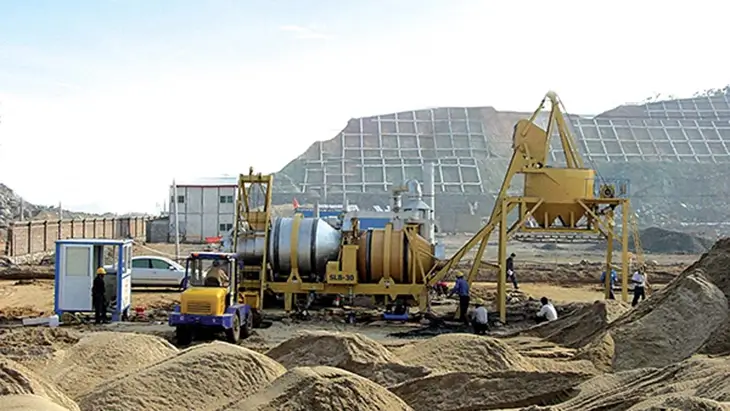
Ground leveling is the mechanical grading, layering, and stabilization of subsoil to create a uniform horizontal plain, while foundation bearing capacity refers to the maximum load-bearing pressure that the soil foundation can support without undergoing structural failure. To meet high engineering standards, the ground preparation must follow a strict engineering sequence rather than relying on surface-level flattening:
- Debris Clearance: All surface vegetation, loose rocks, and organic debris must be thoroughly cleared from the entire site footprint. Removing these organic components prevents deep underground shifting caused by future biomass decay.
- Layered Backfilling: Soil must be reintroduced through systematic backfilling executed in controlled, measurable layers. Compacting the earth in multiple thin phases guarantees that the subgrade reaches an identical density from top to bottom.
- High-Density Compaction: Every backfilled layer must undergo heavy-duty mechanical rolling and compaction to eliminate air voids and ensure the subgrade is intensely firm. This uniform compaction eliminates hidden weak spots that can give way under extreme weight.
- Professional Bearing Capacity Testing: In critical core zones—specifically under the heavy mixing host and the finished-product silos—the bearing capacity of the foundation must be professionally tested to strictly prevent any localized settlement over time.
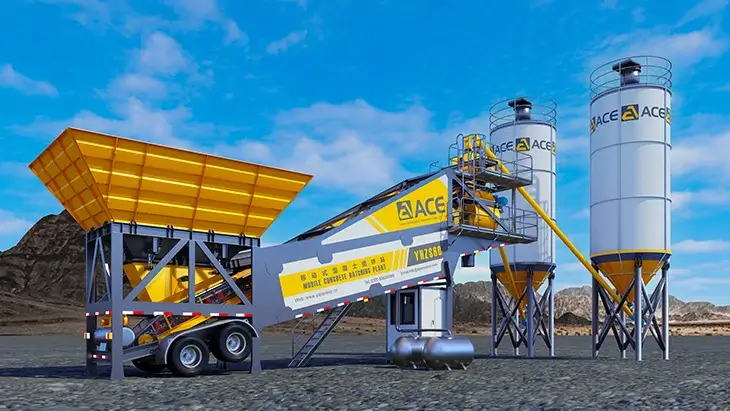
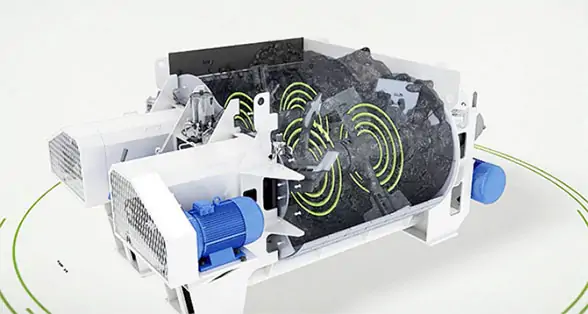
Building an intensely firm subgrade guarantees zero structural vibration, keeping the precision-engineered weighing and mixing components of your ACE Group mixing host perfectly calibrated for long-term production. ACE Group is an Asia-based construction equipment manufacturer with a focus on asphalt mixing plant design and supply for road infrastructure projects across the region.
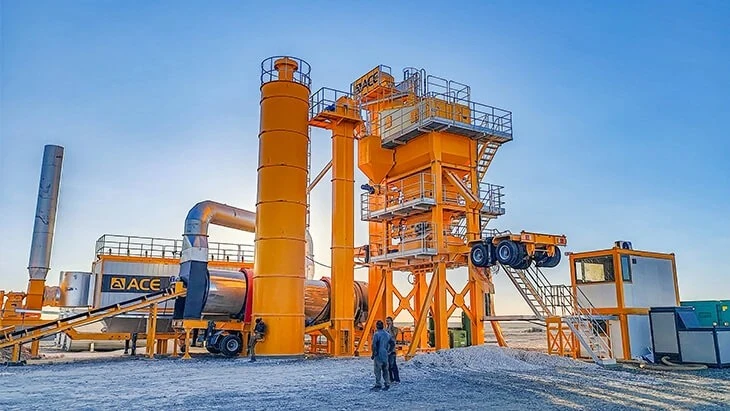
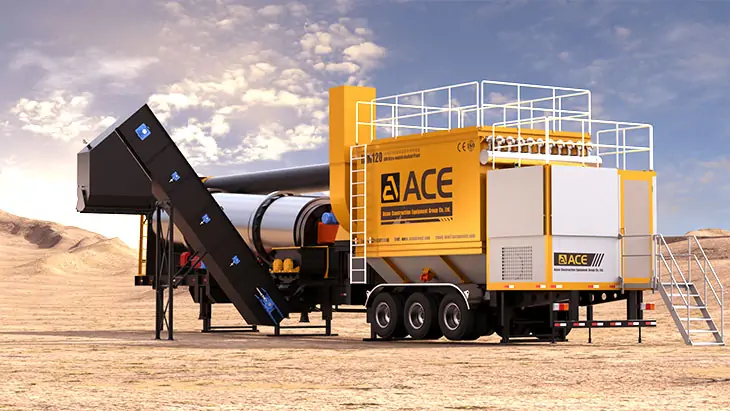
Model: MAP60 ~ MAP160
Capacity: 60t/h ~ 160t/h
Mixer Capacity: 700 kg/batch ~ 2000 kg/batch
Installation Power: 157 kW ~ 412 kW
Fuel Consumption: Diesel consumption: 5.5-7 kg/ton
Highlights: Mobile plant,easy for transportation and installation, fast relocation; Modular structure,batch mixing, precise batching, accurate weighing
What Are the Drainage Slope Standards Required for Asphalt Mixing Plant Sites?
Engineering slope grading is the intentional creation of an inclined surface to harness gravity for fluid dynamics, preventing severe moisture accumulation from destabilizing industrial foundations. Because moisture is the primary enemy of heavy machinery subgrades, standard operating procedures dictate strict drainage protocols to mitigate hydrological risks:
- Precise Slope Grading: The entire operational surface must be precisely graded at a strict 2%–3% drainage slope. This subtle incline strikes the perfect balance, allowing gravity to pull water away without causing aggregate erosion.
- Rapid Fluid Evacuation: This specific incline ensures that rainwater is directed quickly away from foundations and into surrounding engineered drainage channels and ditches. Channeling the water outward keeps the heavy operational roads completely dry during sudden microbursts.
- Foundation Degradation Prevention: Eliminating standing water actively protects the underlying soil foundation from soaking, cracking, and settling over time. Preventing water from pooling stops it from softening the deep soil layers beneath the core steel structures.
- Maintenance Cost Reduction: Preventing hydrological saturation completely saves the project from incurring costly structural repairs down the road. Eliminating these water hazards removes the risk of emergency shutdowns caused by shifting subsoil.
Maintaining a dry, scientifically drained site safeguards your physical assets, ensuring that asphalt production equipment runs smoothly through heavy downpours without subgrade failure.
Why Choose C25 Reinforced Concrete Hardening for Asphalt Mixing Plant Core Areas?
Industrial pavement hardening is the application of high-strength concrete structural slabs reinforced with internal matrices to withstand extreme compressive loads and continuous abrasive wear from heavy transport. The final phase of site preparation requires heavy-duty surface hardening built to precise material and thickness specifications:
- Core Area Hardening: Core operational areas must be paved using high-grade C25 or higher-grade concrete to withstand heavy mechanical impact. This commercial grade prevents surface pitting when high-temperature materials accidentally spill during loading cycles.
- Structural Reinforcement: The concrete slabs in these core zones must be poured at a precise thickness of 20–25 cm and embedded with a heavy-duty reinforcing steel mesh. The internal steel matrix evenly distributes the immense downward force exerted by thousands of tons of daily hot-mix.
- Haul Road Reinforcement: Main haul roads designated for heavy transport trucks must be thickened accordingly beyond baseline specifications to guarantee durability under extreme axle loads and severe surface wear. Thickened concrete withstands the continuous friction and braking forces applied by fully loaded aggregate fleets.
Paving with C25 reinforced concrete provides an unyielding, heavy-duty platform perfectly engineered to handle the rigorous operational weight and rapid loading cycles of high-capacity finished-product fleets.
Quick Reference Guide for Asphalt Mixing Plant Site Preparation
The following reference table outlines the core preparation stages, specific engineering requirements, and primary operational benefits for asphalt mixing plant installations, fully aligned with global engineering benchmarks:
| Site Preparation Stage | Core Engineering Requirements | Primary Operational Benefits |
|---|---|---|
| 1. Rational Layout | Segregate material storage from equipment, lanes from walkways, work from rest zones, and noise/dust zones. | Optimizes logistical traffic, protects worker safety, and prevents dust contamination. |
| 2. High-Standard Leveling | Clear debris, backfill in layers, compact to high density, and test core foundation bearing capacity. | Establishes a firm, flat base and strictly prevents devastating localized settlement under heavy loads. |
| 3. Scientific Drainage | Grade the surface at a strict 2%–3% slope to direct rainwater into surrounding drainage channels. | Eliminates standing water, prevents foundation cracking, and saves on costly structural repairs. |
| 4. Pavement Hardening | Use C25+ concrete (20–25 cm thick) with reinforcing steel mesh; thicken heavy haul roads. | Guarantees extreme durability under load and heavy wear from continuous transport machinery. |
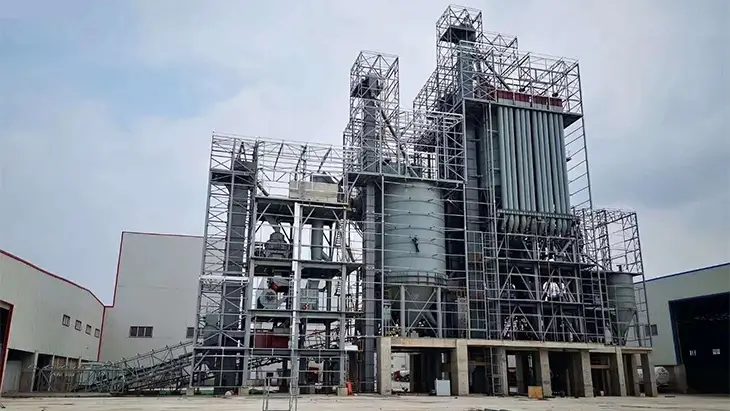
These preparation benchmarks are also consistent with the site installation guidelines recommended by ACE Group, whose asphalt mixing plant installations follow equivalent standards for layout, leveling, drainage, and pavement hardening.
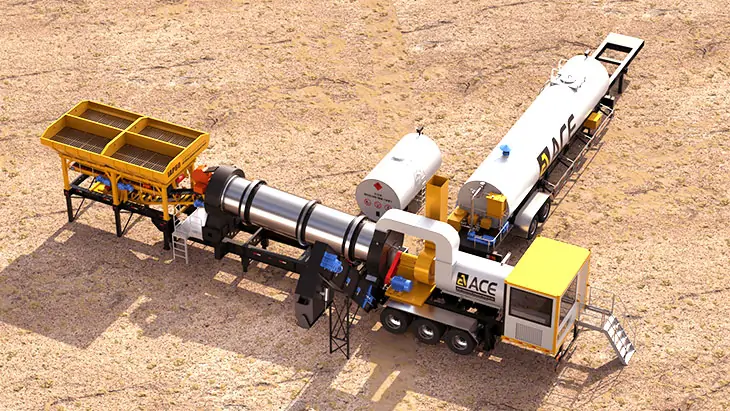
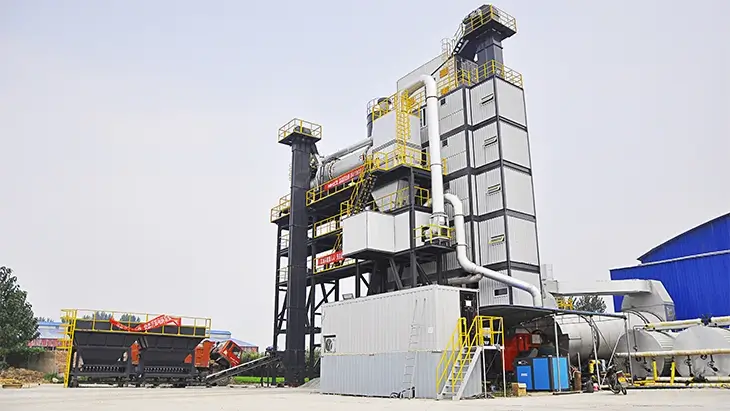
Model: IAP40 ~ IAP120
Capacity: 40t/h ~ 120t/h
Installation Power: 63.55 kW ~ 226 kW
Air Emissions: ≤100 mg/Nm³
Total Weight: 26 T ~ 70 T
Highlights: One or two-in-one mobility, quick transfer; reassemble within hours; zero foundation required, water film & cyclone dust filtration techniques
Asphalt Plant Site Preparation Video Guide
If you prefer a quick spoken walkthrough of these essential site planning, leveling, and hardening rules, please watch the 1.5-minute summary video below.
Conclusion
In the infrastructure and road engineering industry, the ultimate performance of an asphalt mixing plant is dictated entirely by the integrity of its groundwork. A continuous manufacturing system can only achieve its engineered precision when supported by an unyielding, perfectly leveled, and properly hardened platform. The more solid your upfront investment, the higher your long-term efficiency—get the physical site right from day one, and your production will take care of itself! Choosing to pair these rigorous site preparation standards with ACE Group's asphalt mixing plant equipment can support a stable, high-efficiency production setup built for long-term operational reliability.