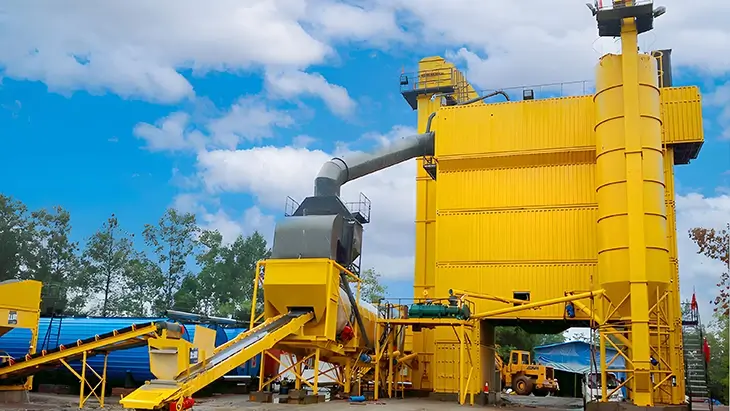
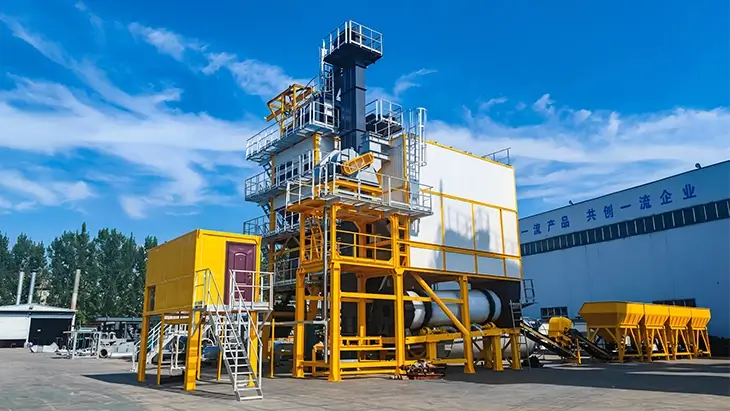
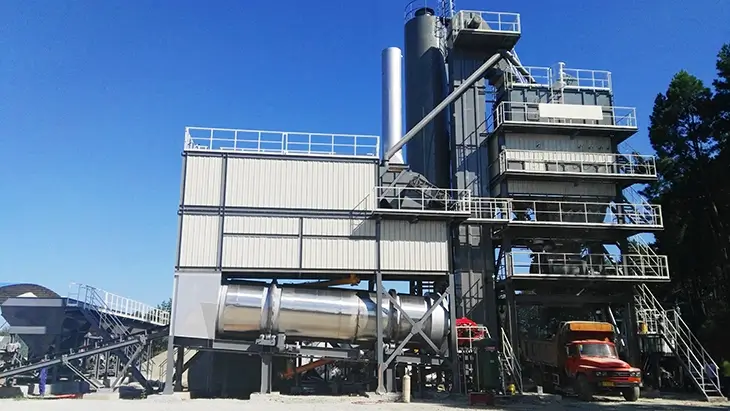
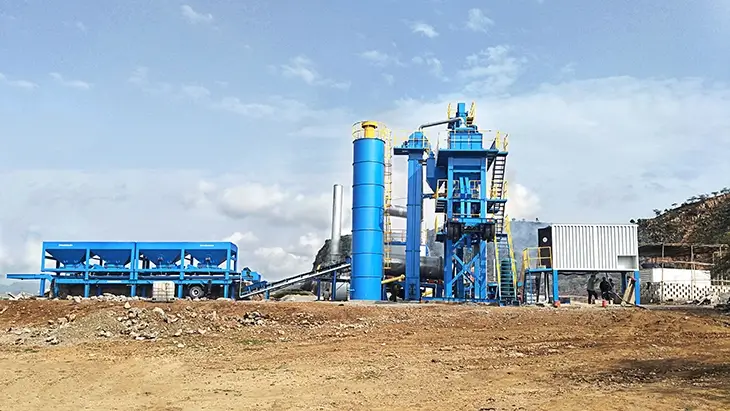
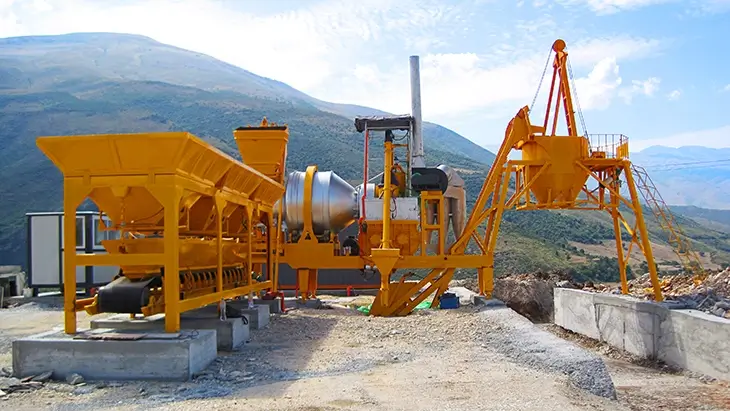
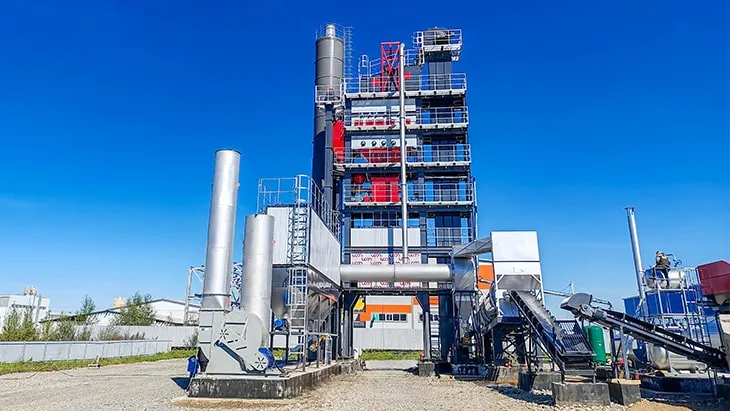
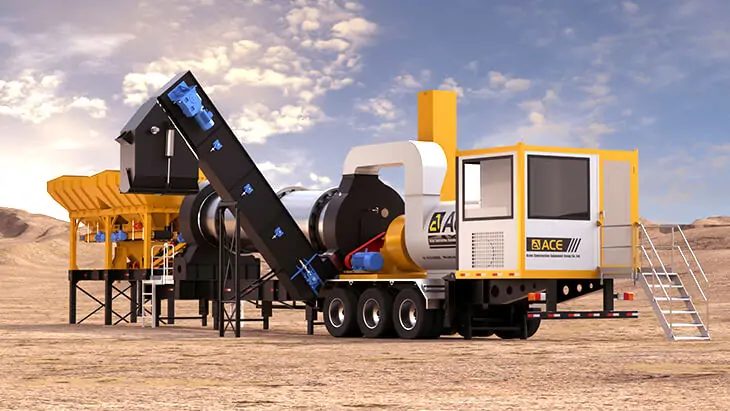
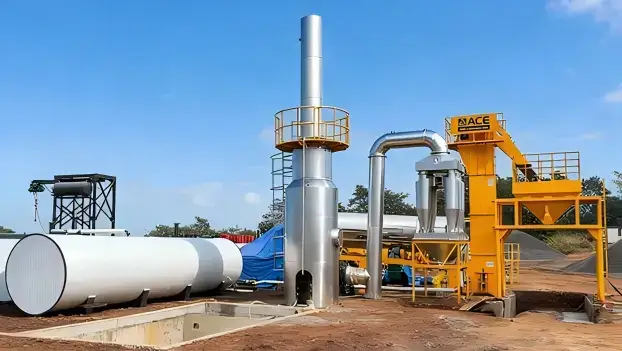


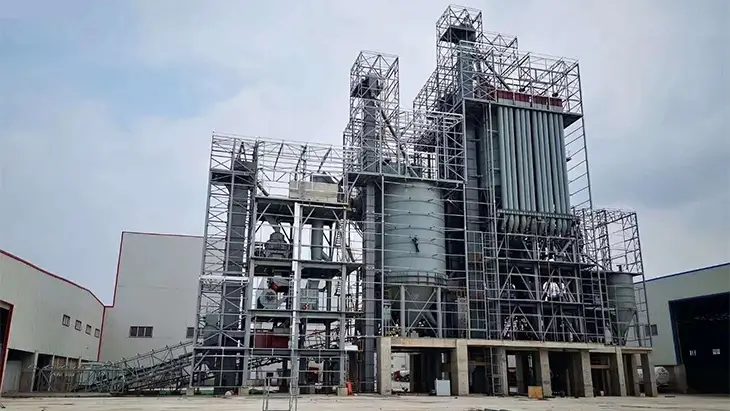

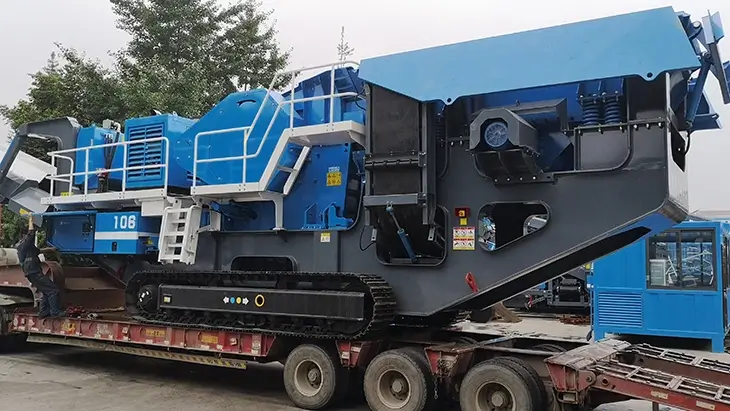

When severe weather conditions strike a road construction site, ensuring the safe and compliant operation of the asphalt mixing plant is the top priority for the entire project. Plant operators, site supervisors, and project managers must never gamble with luck when facing unpredictable meteorological events like high winds, heavy rain, or thick snow. To guarantee a zero-accident workplace, three non-negotiable safety red lines must be strictly enforced at all times. Because an asphalt mixing plant is a highly complex, capital-intensive piece of heavy industrial machinery with rigorous engineering safety standards, these strict operational rules and preventative measures also establish a universal safety benchmark that applies directly to all other large auxiliary equipment across the construction site. Prioritizing the asphalt plant's safety red lines is the foundational baseline for protecting both human lives and high-value project assets.
CONTENTS
- 1. What is Severe Weather for Asphalt Plants?
- 2. Why Must Asphalt Mixing Plant Lifting Stop at Beaufort Force 6?
- 3. How to Handle Rain and Snow Hazards at Asphalt Mix Plants?
- 4. When to Shut Down an Asphalt Plant Due to Severe Weather?
- 5. Severe Weather Quick Reference Guide for Asphalt Mix Plants
- 6. Asphalt Plant Video Guide: Severe Weather Safety Rules
- 7. Conclusion
What is Severe Weather for Asphalt Plants?
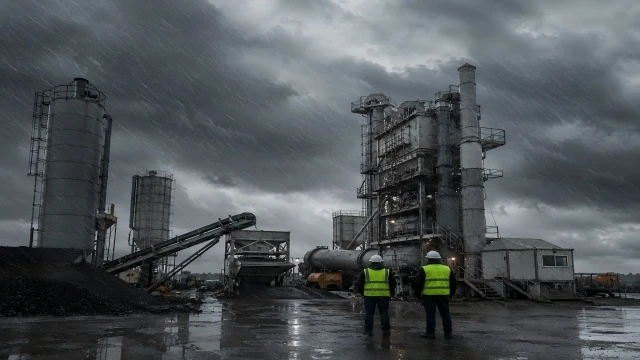
In infrastructure and road engineering, severe weather refers to any extreme environmental or atmospheric condition—such as high-velocity wind gusts, heavy downpours, or freezing snow accumulations—that compromises structural stability, worker visibility, surface traction, or electrical isolation. According to international occupational safety standards established by regulatory agencies like the Occupational Safety and Health Administration (OSHA), failing to implement strict stand-down thresholds during adverse weather leads directly to catastrophic machine failures and severe personnel injuries. For highly integrated, continuous manufacturing setups like asphalt mixing plants, managing these environmental risks requires absolute adherence to strict, quantifiable meteorological limits.
Why Must Asphalt Mixing Plant Lifting Stop at Beaufort Force 6?
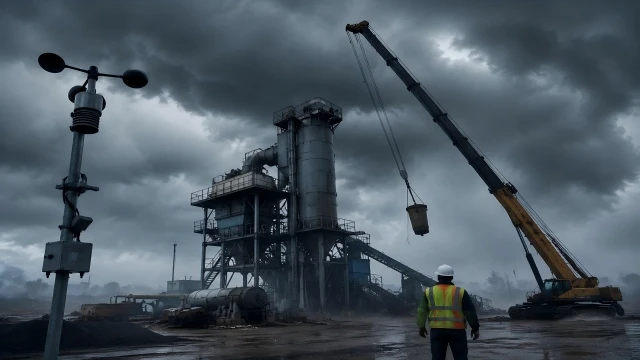
High wind conditions introduce severe aerodynamic risks to heavy machinery structures, high-altitude maintenance routines, and material handling systems on road construction sites.
- The Wind Velocity Threshold: When the local wind speed exceeds Beaufort Force 6, all elevated maintenance work, crane operations, and overhead lifting around the asphalt mixing plant must be called off and stopped immediately.
- The Structural Sail Effect: During severe wind gusts, a crane's long boom or the elevated structural towers and elevator casings of the asphalt mixing plant act exactly like a sail in the wind. Under high wind loads, even a minor unexpected swing, load shift, or structural sway can instantly trigger a devastating tip-over, catastrophic structural collapse, or fatal accident.
Implementing automated anemometers and digital wind-speed monitoring systems ensures that operators can halt high-risk lifting and maintenance operations before safety thresholds are breached. These strict guidelines, born out of asphalt plant elevation safety requirements, serve as an absolute law for all heavy lifting machinery across the project site.
How to Handle Rain and Snow Hazards at Asphalt Mix Plants?
Freezing snow and heavy rain introduce immediate hazardous variables regarding electricity and personnel mobility, requiring comprehensive engineered barriers and safety practices. At ACE Group, we implement rigorous protocols to mitigate these risks effectively.
- Mitigating Critical Electrical Hazards: An industrial asphalt mixing plant is constructed almost entirely of heavy metal equipment and structural steel. This high electrical conductivity makes power safety the single most critical priority during rain or snow storms. To eliminate the risk of short circuits or lethal leakage currents, ACE Group mandates that all distribution panels, power supply boxes, and terminal wire connections across the facility must be fully enclosed with waterproof coverings. Furthermore, Ground Fault Circuit Interrupters (GFCI) and residual-current protection devices must be rigorously tested and verified to prevent shocks.
- Preventing Worker Slip and Fall Injuries: Wet, icy, or snowy weather quickly turns metal walkways, observation platforms, and maintenance ladders into extreme slip hazards. Deploying ACE Group's recommended anti-slip materials, ice-clearing protocols, and structural traction measures on all elevated walkways is a mandatory safety requirement to protect plant operators from falls.
Because the all-metal composition of an asphalt mixing plant demands the absolute highest tier of moisture isolation, these exact electrical and anti-slip compliance rules established by ACE Group apply to every other metal structure and large machine across the project site.
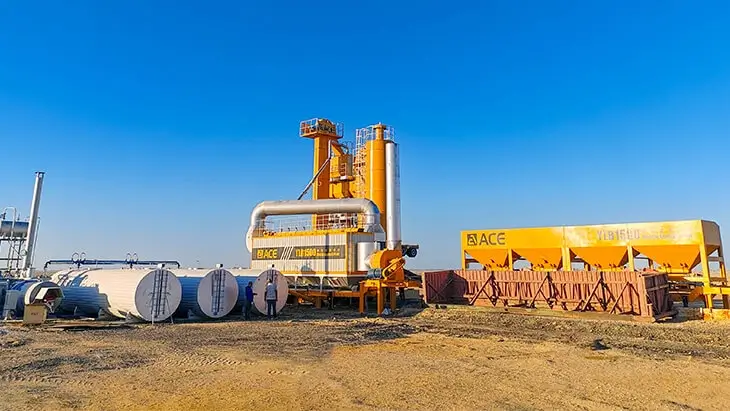
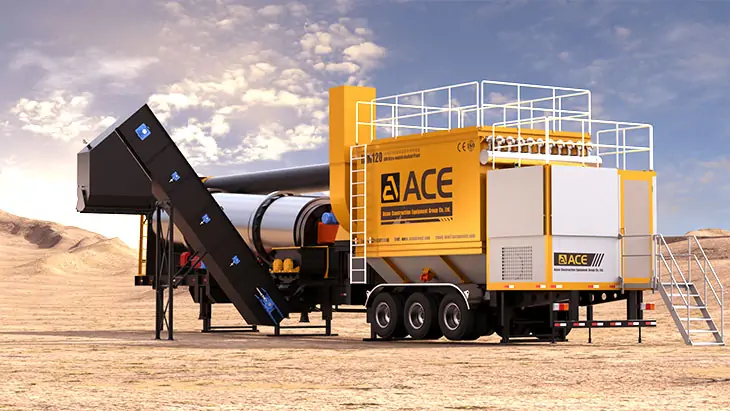
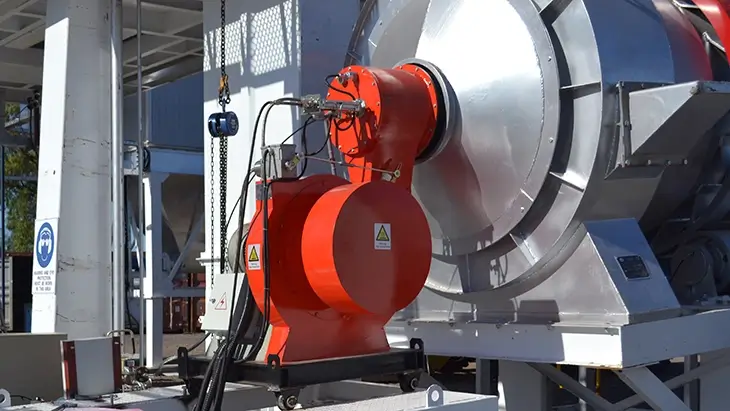
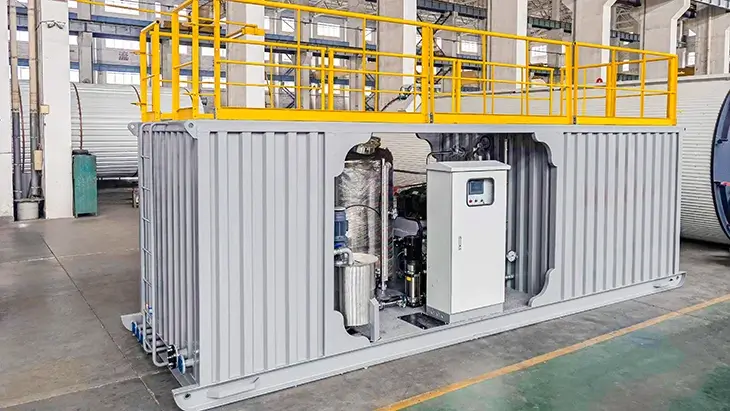
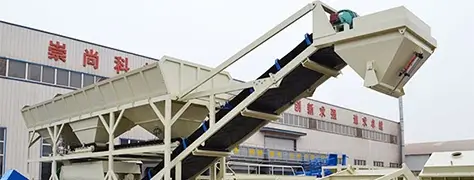
Model: MAP60 ~ MAP160
Capacity: 60t/h ~ 160t/h
Mixer Capacity: 700 kg/batch ~ 2000 kg/batch
Fuel Consumption: Diesel consumption: 5.5-7 kg/ton
Highlights: Mobile plant,easy for transportation and installation, fast relocation; Modular structure,batch mixing, precise batching, accurate weighing.
When to Shut Down an Asphalt Plant Due to Severe Weather?
Forcing an asphalt mixing plant to run during heavy precipitation or sub-freezing temperatures compromises final mix quality, wastes energy, and damages critical plant components.
- The Impact of Spiking Aggregate Moisture: Rain and snow cause the moisture content of exposed raw aggregate stockpiles to spike dramatically. When wet aggregates enter the drying drum, the burner must consume excessive fuel and thermal energy just to dry the material, overloading the system, driving up fuel costs, and lowering final discharge temperatures.
- Failure to Meet Temperature Specifications: Adverse weather conditions prevent ambient environmental temperatures and hot-mix asphalt (HMA) paving or discharge temperatures from meeting project design specifications.
- The Economic and Mechanical Cost of Forcing Production: Forcing the plant to operate under these poor conditions is highly inefficient; it wastes expensive raw materials, results in substandard pavement that fails inspection, and dramatically increases the risk of major mechanical breakdown or component failure. When adverse conditions call for a shutdown, management must act immediately instead of pushing through recklessly.
Because asphalt production relies on precise material moisture and temperature control to protect your profits, this proactive "stop-work" philosophy serves as a model for managing all other environment-sensitive heavy machinery on the job site.
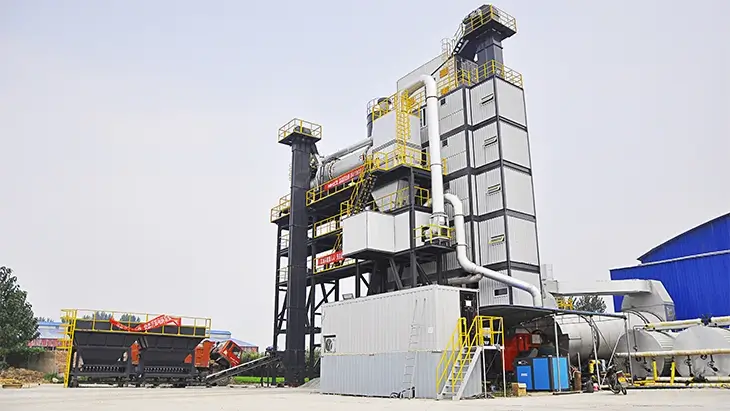
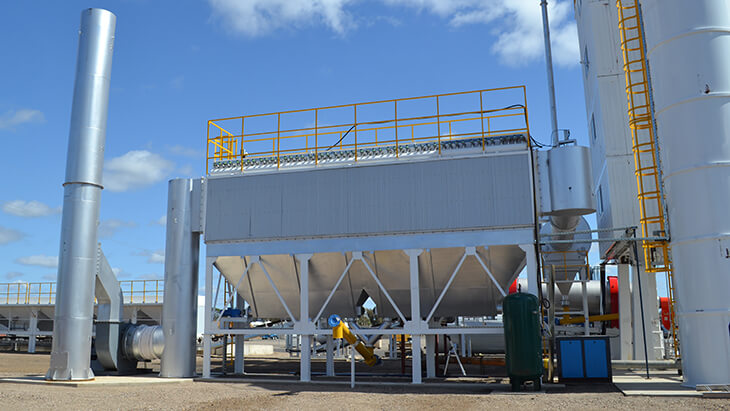
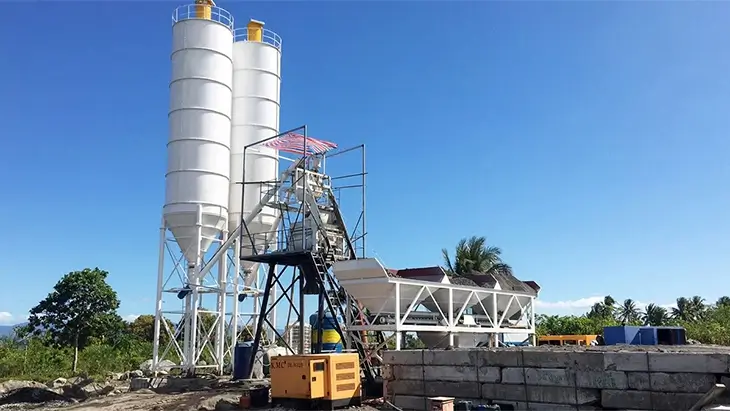
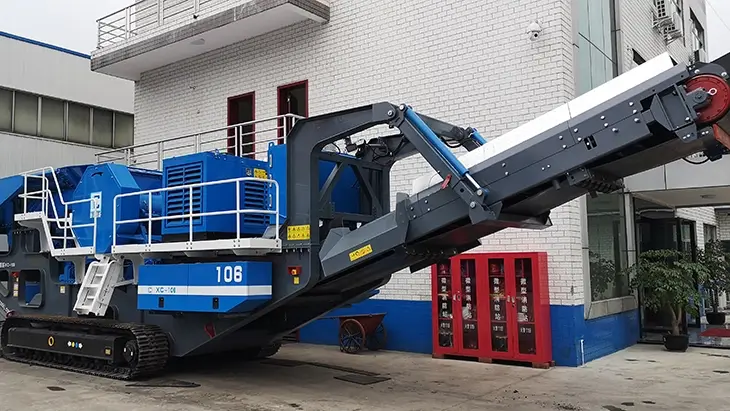
Model: CFB80 ~ CFB400
Capacity: 80t/h ~ 400t/h
Mixer Capacity: 1500kg ~ 5500kg
Total Power: 245kW ~ 810kW
Highlights: Containerized, easy transportation; Foundation-free, quick installation; Accurate weighing, batch mix, high re-sale value.
Severe Weather Quick Reference Guide for Asphalt Mix Plants
To help asphalt plant supervisors and site managers maintain a zero-accident workplace, the following reference table outlines core severe weather risks, equipment failure modes, and required safety actions for asphalt mixing plants, fully aligned with ACE Group's safety engineering standards:
| Weather Hazard Mode | Core Site Risks & Failure Modes | Required Safety Action |
|---|---|---|
| High Winds (> Beaufort Force 6) | Boom sail effect, structural sway, crane tip-over, lifting accidents | Stop all overhead lifting and elevated maintenance work immediately. |
| Rain & Snow (Electrical Hazards) | Heavy metal conductivity, terminal short circuits, electrical shock | Cover distribution panels; verify GFCI and residual-current protection. |
| Rain & Snow (Surface Slip Risks) | Slippery metal platforms, ladders, worker slip and fall injuries | Implement robust anti-slip and traction measures on all walkways. |
| Precipitation & Cold Weather | Spiking aggregate moisture, failed paving temperatures, high fuel waste, machine breakdowns | Initiate an immediate operational shutdown; do not force production. |
Asphalt Plant Video Guide: Severe Weather Safety Rules
If you prefer a quick spoken walkthrough of these non-negotiable asphalt plant safety rules, please watch the 1.5-minute summary video below.
Conclusion
In the road construction and heavy machinery industry, plant equipment and assets can always be repaired or replaced, but a worker's life is irreplaceable. A mechanical failure is a technical issue, but an on-site safety accident is an absolute tragedy. When confronted with severe and adverse weather, it is always far more responsible to stop operations than to push forward blindly and recklessly. Always uphold the ultimate standard of safety first, and never gamble with luck! As Lao Zhou always says: safety first, and see you next time!